

Southern Route

South Africa » Southern Route

Download GPS Coordinates (KML file) (what is this?)

Southern Route

Attractions:

The Southern Route of the Elephant Coast stretches from KwaMbonambi in the south to Fanie’s Island in the north, and from the iMfolozi Game Reserve in the west to St Lucia and Cape Vidal on the coast. This section of the Elephant Coast is famous for its crafters.

The southern route contains the following regions:

Maphelana, south of St Lucia where the iMfolozi River meets the sea, is tucked into a sheltered bay on the south bank rivermouth and is the southernmost camp in the Greater St Lucia Wetland Park.

Mtubatuba (the name comes from the local Zulu chief) is a small, busy and vital center which offers local communities access to supplies, markets and other facilities. It also provides an ideal overnight stop for travellers going north or south – and access to Hluhluwe-iMfolozi Game reserve from the south.

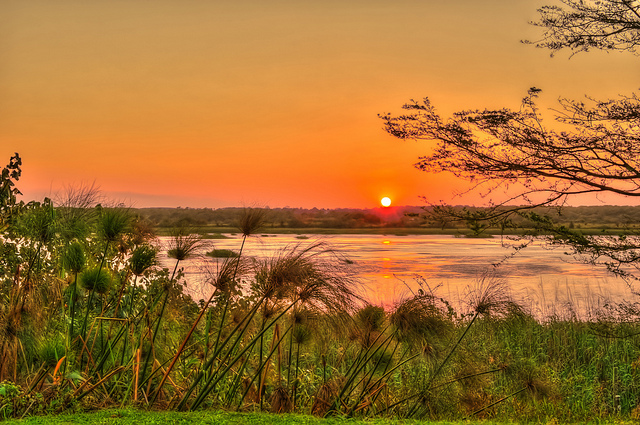
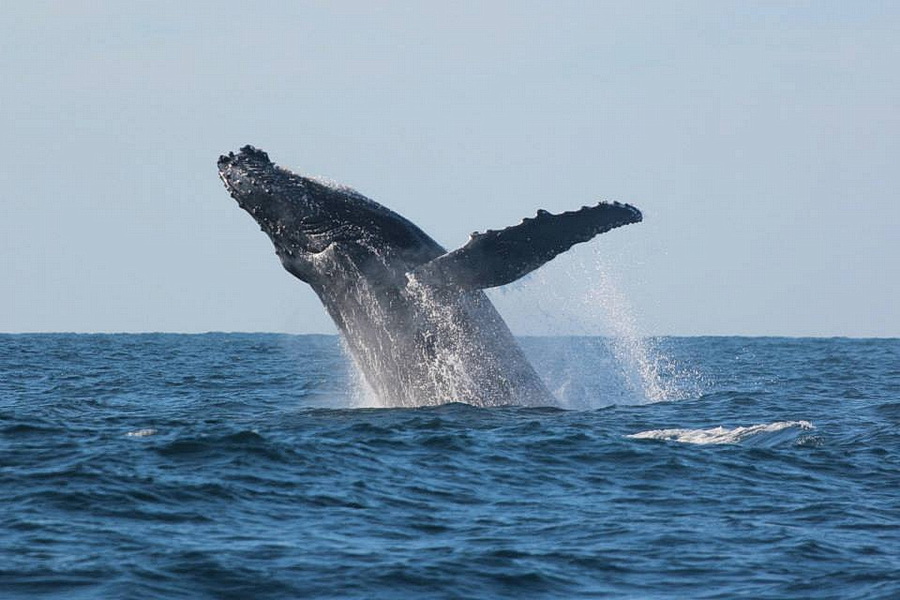
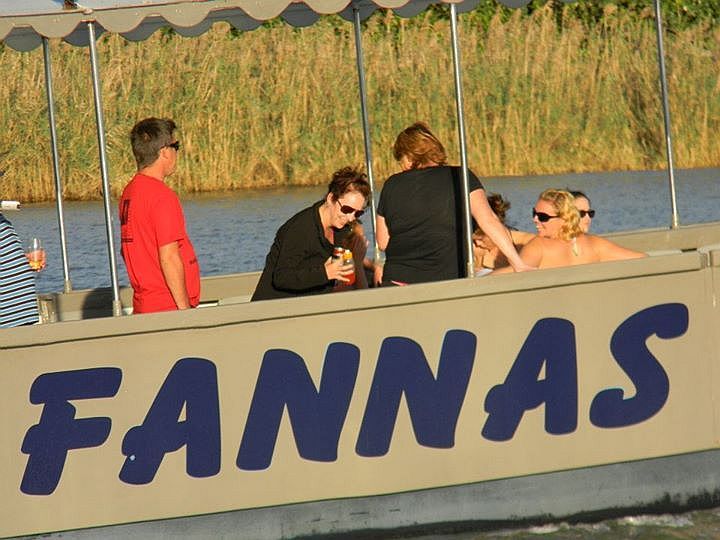
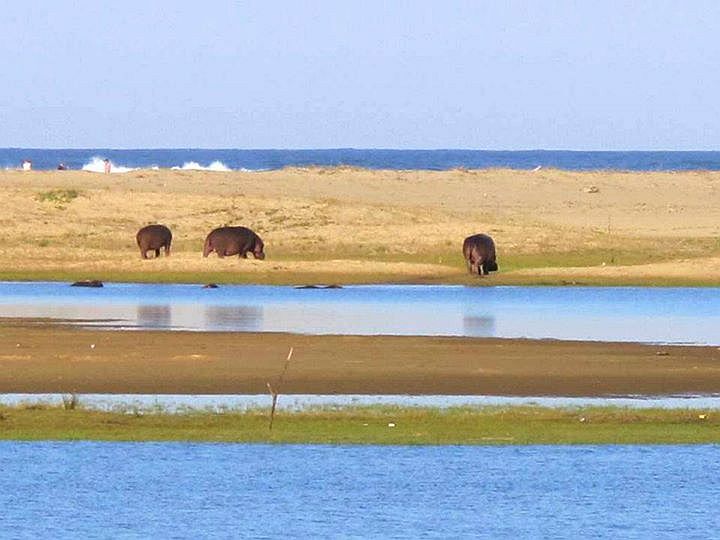
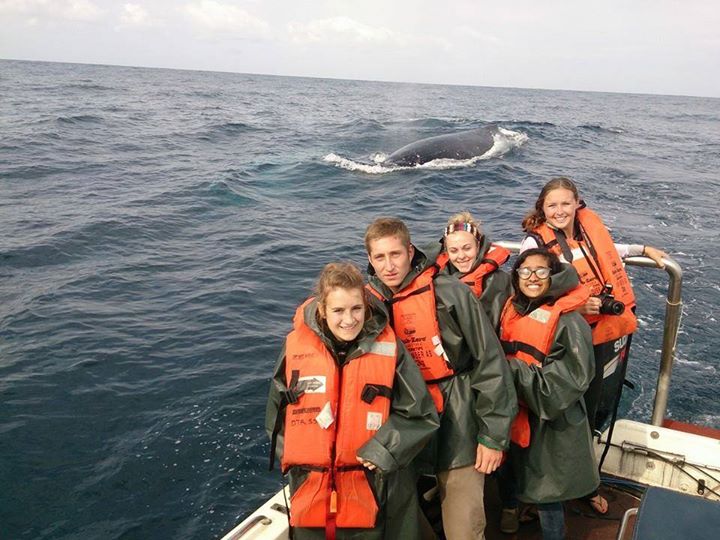
St Lucia is situated on the southern tip of Lake St Lucia on the estuary – this small town has numerous shops, tour operators, restaurants and an assortment of accommodation on offer. There is enough to keep a visitor busy day and night – including deep-sea fishing, snorkelling safaris and boat cruises on the lake, which is alive with crocodiles and hippos. Other activities include seasonal whale watching (June-November – during the day), turtle tours (November-February – at night), canoeing, birding and horse riding. Bicycles are available for hire and the Crocodile Centre is worth a visit.

Khula village
borders the Greater St Lucia Wetland Park and provides visitors with a unique look into the lifestyle of a peri-urban Zulu community. Experience current expressions of Zulu life and traditions with one of the families that offer home stays or visit the purpose-built traditional village.

Cape Vidal
is situated 35km north of St Lucia between lake Bhangazi and the sea. Enjoy long golden beaches hugged by coastal forests. The idyllic setting makes Cape Vidal a firm favourite for sport fishing, sea fly-fishing and snorkelling. Mission Rocks, a few kilometres south, is well known for its rock pools. Visitors can watch whales from the shore between June and November and turtle tours are available at night from November-January.  Facilities in the town include a craft shop, basic supplies and fuel.

Charter’s Creek and Fanie’s Island are situated on the western banks of Lake St Lucia.  They are accessible from the N2 and provide great trails for mountain bikers and hikers as well as being a favourite for anglers and bird watchers as the area is teeming with terrestrial and aquatic birds. Facilities here include picnic sites, ablutions, swimming pool and boat launch access.
iMfolozi forms the bottom half of the Hluhluwe-iMfolozi Game Reserve, giving visitors to the area access to ‘Big Five’ game-viewing.

The Africa Centre is an international research centre situated along the route through the Somkhele community to iMfolozi. It provides information for those interested in the population and its dynamics.

History: Crafters and crafts:

Numerous crafters sell their wares along the road in the southern section of the Elephant Coast. However, there are two formal craft centres – Siyabone at the bridge at the entrance to St Lucia and Zaminpilo en route to Hluhluwe. Zulus are renowned for their crafts, especially their basketware, woodcarving and pottery. The skills required in the production of these goods stems from those of previous generations where the focus was on artefacts made for functionality.

Woodcarving:

Woodcarving was an exclusively male occupation – the objects made, such as milk pails, meat dishes and staffs, were strongly associated with men, cattle and the ancestors. Light soft woods were used for milk pails, or for utilitarian stirring and ladling implements so that they were not too heavy. Hard woods were reserved for special meat platters, knobkieries (traditional weapons), headrests, stools, ladles and eating spoons. These were carefully and individually decorated to mark ownership and status.

Pottery:

Zulu women were responsible for the production of pottery. These vessels were primarily used for the storage and drinking of beer. Pottery containers are also used to prepare and serve foods such as grain and milk products. Ceramics for the tourist market are made in exactly the same way, although their exteriors are often left a mottled terracotta or coloured with shoe polish rather than as was done traditionally through a second firing over a smoky fire of thatch grass or dung – a process that denotes respect to ancestral communion.

Weaving:

It is no wonder that weaving has played such an important role in Zulu craft with the variety of grasses and palms that grow in abundance in the area – the most popular being the ilala palm found along the eastern coastal area from Hluhluwe to Kosi Bay. The ilala palm is sustainable because even after intensive harvesting of the palms, new shoots appear quickly. Zulu basketry and weaving is also for utilitarian purposes, resulting in a variety of shapes, sizes, motifs and designs. Grass articles include mats for every occasion (foot mats, door mats, eating mats, sitting and sleeping mats), brooms, plaited creepers for costumes, braids and special waist belts made for ritual ceremonies. A variety of natural plant dyes have been developed over time to decorate baskets. These colours are woven into triangles, pyramids and diamonds to create geometric designs that had meaning and relevance in bygone times but today are merely the expressions of an artist.

Beadwork:

For thousands of years beads have been a universally favoured item for trade since they are light, beautiful and easy to transport. Cross bands, waist bands, bead masks and leg ornaments seem to be the earliest application of beads worn by people of rank connected with the Zulu king. Courtship messages were often portrayed in beaded designs – and usually could only be interpreted with knowledge of the relationship and its development. Today beads have been incorporated into wirework, fashioned into coasters, made for use as Christmas decorations, shoes, belts, headbands … the list is endless – a wonderful example of how tradition can transcend time, express creativity and provide an avenue for profit generation.

Metalwork:

Iron-producing technology was a vital factor in the growth of Zulu dominance in the area. Iron-smelting and metal work was a specialized, exclusively male occupation. Zulu smiths enjoyed high status in society, as the craft success was strongly associated with constant spiritual help from ancestors. This also meant that smiths were separated from the rest of society and had to undergo cleansing rituals before re-entering the homestead. Functional and ornamental items were manufactured, including axes and various types of spears for hunting, sacrificial, stabbing and ceremonial purposes. Ornaments included bands and rings, beads and studs. Armbands (izingxotha) were the most coveted and prestigious items made.

Nearby routes

Amajuba Route

In the north-western corner of KwaZulu-Natal, this route has an ABC of core attractions: adventures, art, animals and ambles; berg, battlefields and birds; culture, crafts and charm.

Drakensberg Experience Route

The Drakensberg Experience is located in the Midlands of the KwaZulu-Natal province of South Africa. The route is centred on the Drakensberg World Heritage Site, which includes Giant’s Castle and the Central and Northern Drakensberg. The route extends from Hidcote in the south to Sterkfontein Dam in the north.

Elephant Coast Route

A large route stretching from St Lucia in the south to Kosi Bay in the north and inland to the N2 national highway, this route has a wealth of attractions, accommodation options and activities. It contains outstanding wildlife reserves covering a diversity of habitats.

Nguni Route

The Nguni Route incorporates an area of scenic landscapes combined with historical and cultural attractions. These are some of the poorest rural communities in KwaZulu-Natal, and tourism has been identified as a major job creator here.

uMngeni Footprint Route

A route of diverse attractions at the gateway to the KwaZulu-Natal Midlands including the towns of Mpophomeni and Howick.

Zululand Sea Kayaking Route

We have selected a number of sea kayaking routes which showcase those parts of our coastline most suited for paddling and exemplify the wide variety of experiences available to sea kayakers in this country.

Comments and Reviews

Add a comment