

Southern Overberg Fynbos Route
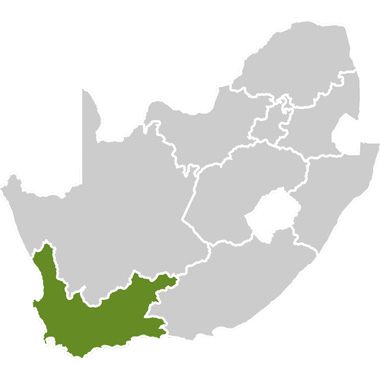
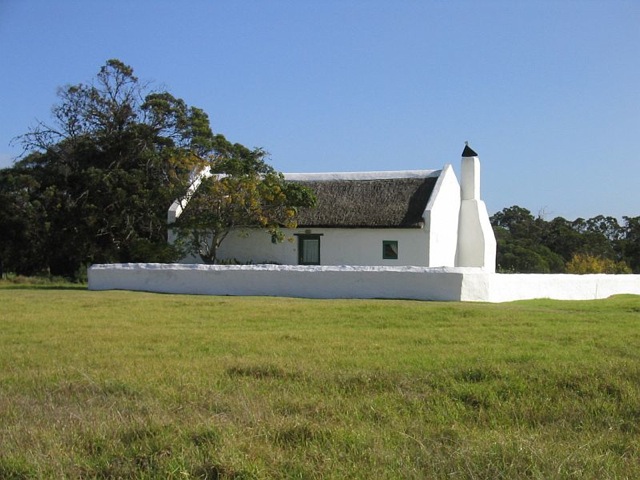
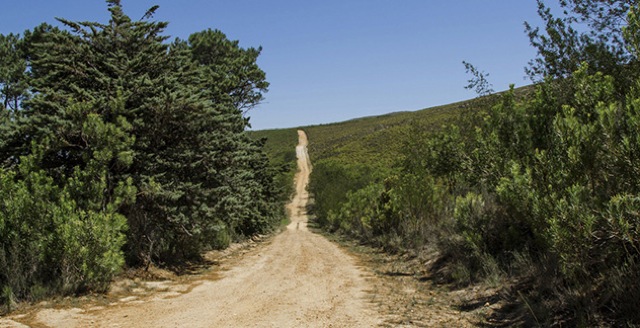
The Fynbos Ecotourism Forum was established in 1996 and comprises a group of landowners in the southern Overberg region of the Western Cape (literally the area 'over the mountains' east of Cape Town) and other interested members who are interested in promoting sustainable, nature-based tourism in this area.
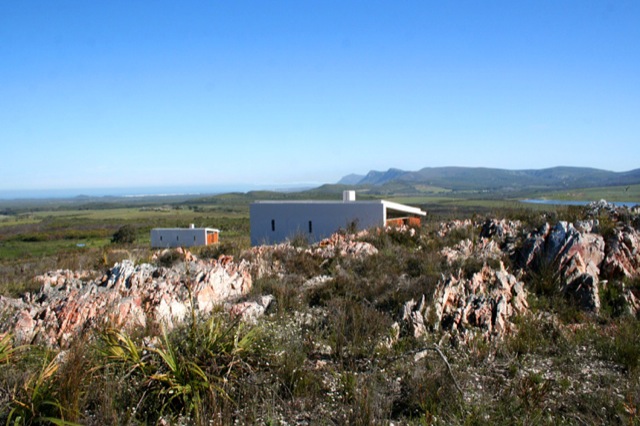
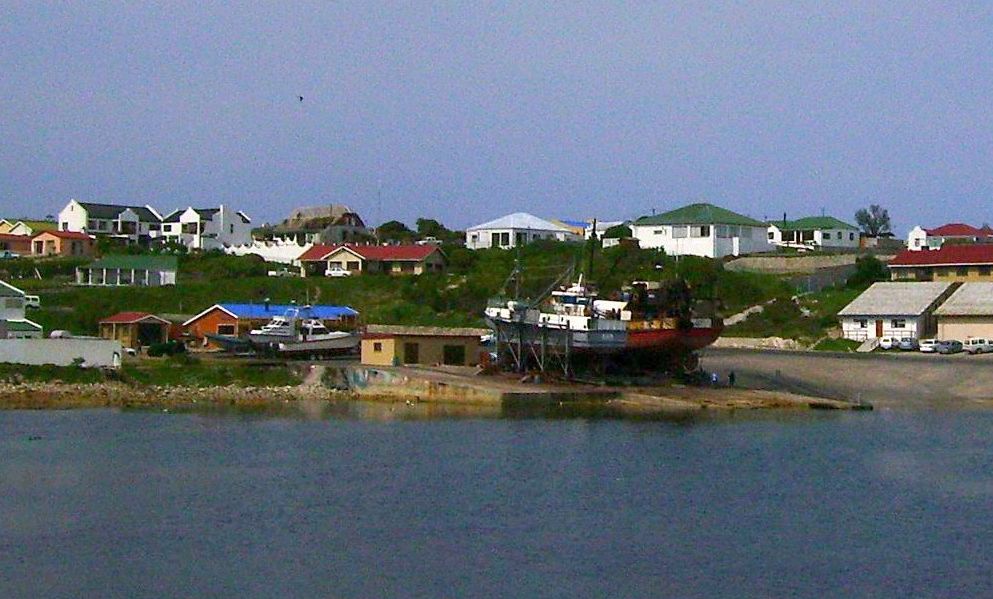
The route stretches into the hidden corners of the Agulhas Plain, near the southern tip of Africa, as well as to Stanford, Gansbaai, Baardskeerdersbos, Pearly Beach, Elim and Wolvengat.
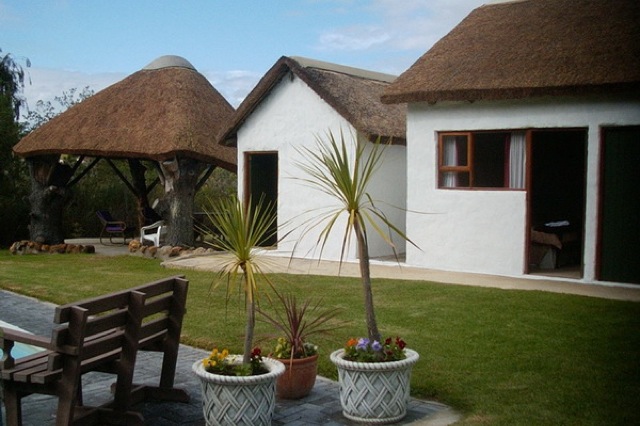
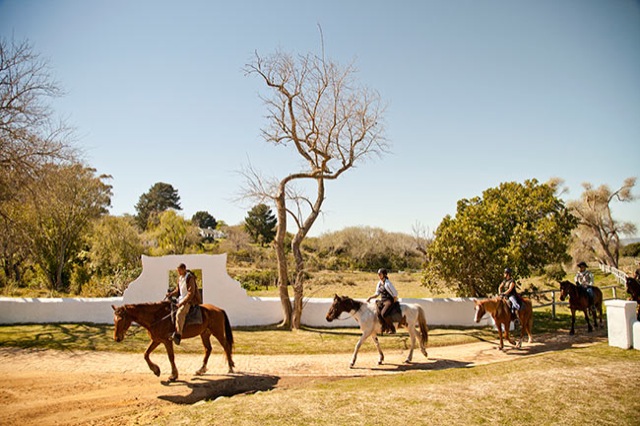
The Overberg Fynbos Route links the members of this forum and allows them to share their enthusiasm for fynbos and conservation with others – on the route you’re likely to experience memorable hospitality, be it on working farms, guest farms or private nature reserves.
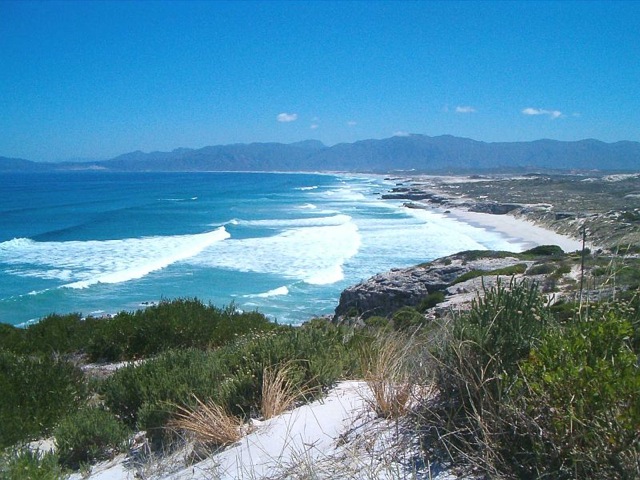
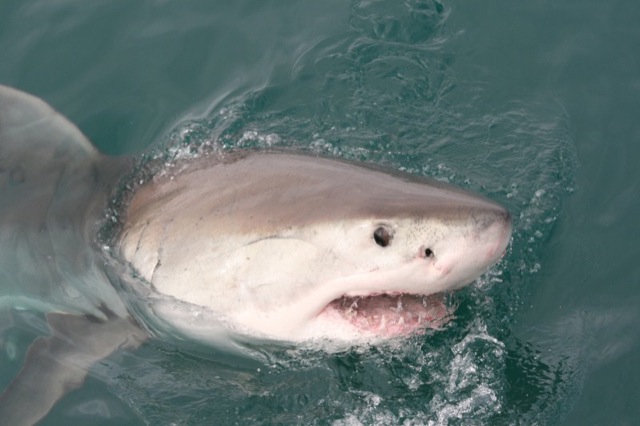
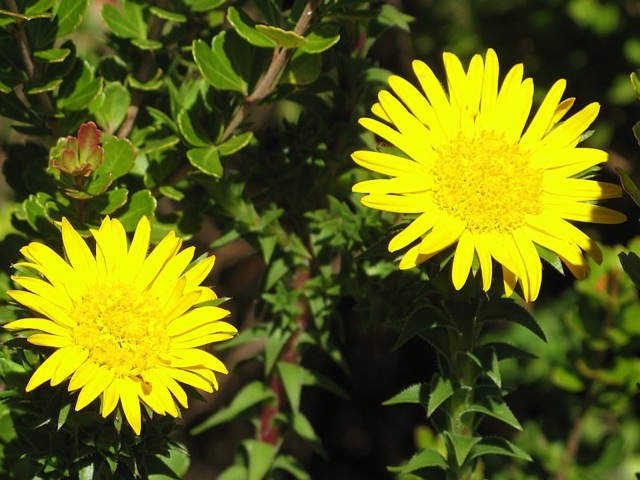
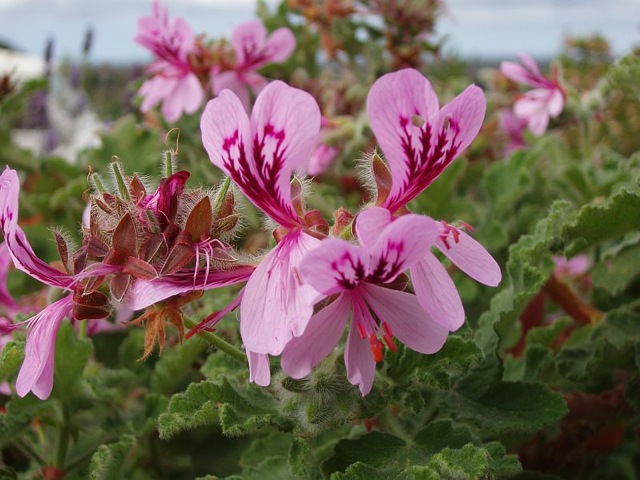
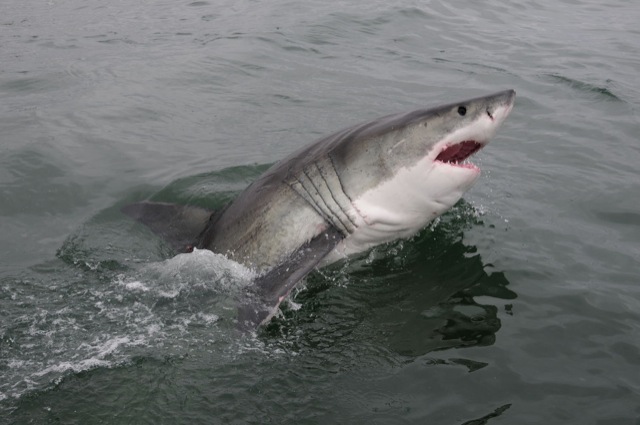
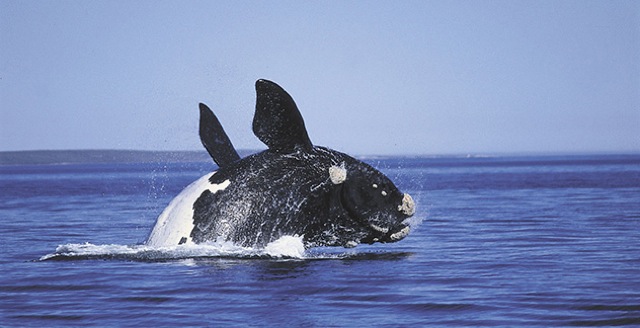
Although fynbos is at its most spectacular during late winter and spring – usually the wettest and coldest time of the year – there are flowers to be enjoyed in any season. Fynbos is by no means the only attraction of this area; secluded beaches, good angling spots, hiking trails, wonderful birding and land and boat based whale-watching and shark-viewing in season make this area a great destination for nature lovers. Another unique attraction are the patches of milkwood forests found in the area.
Milkwood Forests:
Milkwood forests were once abundant on the coastline of South Africa, but now there are very few left. The largest of the milkwood trees grew along the coast and, even though their gnarled branches were unsuitable for planks, most of the trees were harvested for timber. Many trees have a milky, white latex, but as this was likely the first tree that settlers encountered, it was therefore called the milkwood.
Nowadays, milkwoods are found in isolated thickets along the coast. There are eight sizable forests in the world – all found in the area of the Overberg Fynbos Route. Today, this slow-growing species may not be cut down without a permit. Many of the participants of the Overberg Fynbos Routes have milkwood thickets on their properties. It is estimated that some of the trees in Grootbos Private Nature Reserve are 2000 years old.
Other dominant trees in the tickets are the 'sea gwarri' (Euclea racemosa), white stinkwood and pok ironwood. The thickets and forests are home to porcupine and honey badger, as well as a number of bird species such as the paradise flycatcher, rameron pigeon, cape batis and bar-throated apalis.
Soil in the forests is much more fertile than the surrounding fynbos soils, but researchers are undecided if this is a result of the forest or if forest developed because of the fertile soils.
Milkwood forests are threatened by alien plants such as the rooikrans (Acacia cyclops) because these trees grow into the forest fringes and, because of certain oils in their leaves, burn much hotter when fires sweep the area, thereby damaging the forest species.
The famous 'post box tree' at Mossel Bay, further up the east coast of South Africa, is also a milkwood. This tree was the first post office in South Africa – and is where sailors would place letters in a boot hung from the tree so that ships going in the opposite direction could collect the letters to take to Europe.
What is Fynbos?
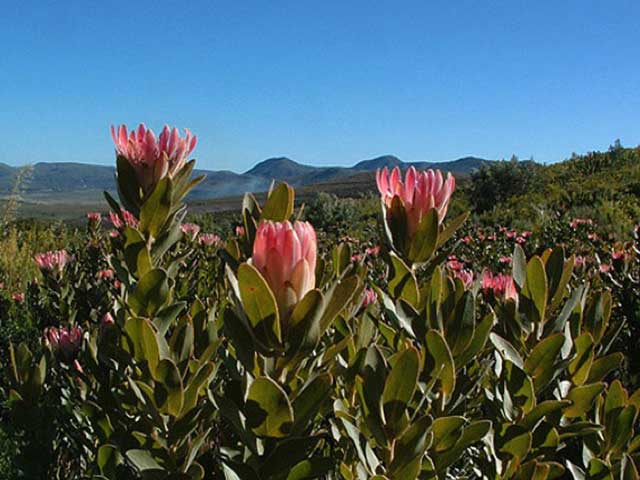
Fynbos (meaning 'fine bush') is the popular name for the shrublands of the winter rainfall area of the Western Cape province of South Africa. This hardy vegetation has adapted to the dry summer season and strong coastal winds in special ways: by producing large, hard, leathery leaves (as in the protea family); or fine, tiny leaves, often with rolled edges (the erica family); by having long, thin stems with no leaves (the reed family); or by means of underground storage organs (lilies and orchids).
Fynbos is the characteristic vegetation of the Cape Floral Kingdom, the smallest of the six floral kingdoms of the world – with an astounding total of 9000 species. Of these, 6300 are endemic, occurring in a restricted area and nowhere else in the world, and 1400 are Red Data Book species, meaning that they are rare and/or threatened.
Fynbos needs to burn in late summer, after flowering, and at well-spaced intervals (every 10-30 years), in order to rejuvenate the vegetation. The plants survive fire, either by producing many seeds, which are released by the heat of the fire, or by resprouting from their roots or underground storage organs.
The survival of fynbos is dependent upon a web of fascinating inter-species relationships. Indigenous ants, for example, are attracted to fatty baits on some of the seeds of fynbos plants, and carry the seeds off to their nests underground, safe from predators. The flowers of some plants supply nectar to bees, sugarbirds and sunbirds, and are pollinated in turn. Ground proteas have a yeasty smell that attracts mice, which carry out pollination.
Fynbos is a fragile resource and is very sensitive to threats – both natural and human-induced. Invasions of introduced alien plants are one of the chief threats to fynbos, and cover some 15% of the natural habitats on the Agulhas Plain (excluding farmlands). These plants compete with fynbos and reduce the natural diversity, increase the threat of untimely fires, extract large quantities of water and are regarded as aesthetically unattractive. Other threats include the ploughing of marginal lands, insensitive developments, uncontrolled harvesting of wildflowers, damage to vegetation done by off-road vehicles and gravel mining.
The southern Overberg has a great diversity of natural habitats, each home to a characteristic group of plants.
Members of the protea family are useful indicators of three habitat types:
Acid sands are the most widespread habitat and are home to species such as the Bot River sugarbush (Protea compacta), the long-leaf sugarbush (Protea longifolia), the sickle-leaf conebush (Leucadendron xanthoconus), the pincushion (Leucospermum cordifolium) and the plate-seed conebush (L platyspermum).
Small limestone areas with alkaline sands are home to species such as the Bredasdorp sugarbush (Protea obtusifolia), the limestone conebush (Leucadendron meridianum) and silver-edge pincushion (Leucospermum patersonii).
Neutral sands are restricted to this region and host the dune conebush (Leucadendron coniferum) and stinkleaf sugarbush (Protea susannae).
Four other fynbos habitats include:
Moist areas on mountain slopes are home to the heaths or ericas, the largest fynbos family (Erica spp.).
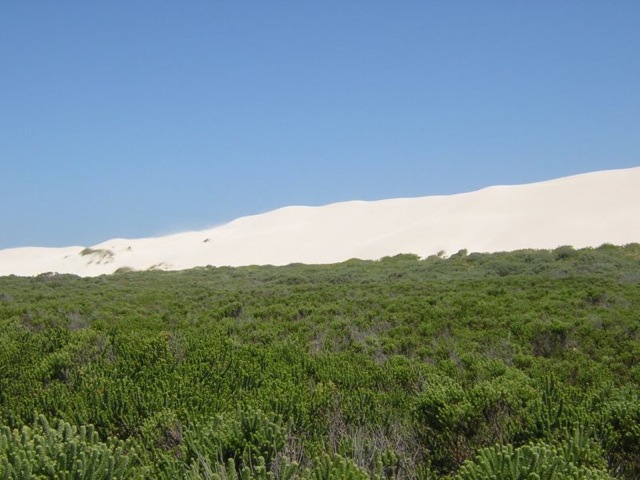
Coastal sands are widespread and host blombos (Metalasia muricata) and bietou (Chrysanthemoides monilifera).
Gravelly, clayish soils are rare habitats that host the rare dwarf Elim fynbos with Elim conebush (Leucadendron elimense), vleirosie/Bredasdrop conebush (Leucadendron laxum), skaamprotea/bashful protea (Protea pudens), and gladiolus (Gladiolus guthriei).
Sands are the home of reeds, especially dekriet/thatching reed (Thamnochortus insignis and Chondropetalum tectorum) in moister areas.
Three other, non-fynbos habitats are also part of the Cape Floral Kingdom:
Clay soils are mostly ploughed for agriculture, but host renosterbos (Elytropappus rhinocerotis) and pypies (Gladiolus gracilis).
Moist areas with patches of milkwood (Sideroxylon inerme) forest and scrub, and remnants of Knysna forest.
Wetlands – which are a threatened habitat – host kol-kol (Berzelia lanuginosa), waterblommetjies (Aponogeton distachyos), and blue waterlilies (Nymphaea capensis).
Useful Links
- http://www.africandream.org
- http://www.capenature.org.za
- http://www.agulhasfynbos.co.za
- http://www.fynbos.co.za
- http://www.southafrica.net
Suggested Reading List
The Overberg Explorer: Second Revised Edition, 2001. Compiled and produced by Ann and Mike Scott, this book is an essential guide to all visitors to the Overberg region. It is published by Overberg Conservation Services cc, Gansbaai.
Medicinal and Other Uses of Southern Overberg Fynbos Plants: Written and published by Mathia Schwegler, this A5-sized book discusses the uses of 48 plant species found in the Southern Overberg and provides the specifics of making medicinal concoctions and food recipes from them. The book stresses that the plants should be cultivated for such use, rather than picked from the veld and is a fine example of land owners who are interested in the conservation of their natural environment and its plants, and who do something to promote it.
Nearby routes
Caledon Blue Crane Route
Lying at the southernmost tip of the African continent, where the Indian and Atlantic Oceans meet, is the Overberg, a fertile area surrounded by mountains and sea starting from a point 100km east of the city of Cape Town.
Cape Care Route
The City of Cape Town initiated the development of this Afrikatourism route that offers visitors a different experience of the city, in that it focuses on sustainable development issues.
Cape Nature Route
Western Cape, South Africa: This route highlights the 'benefits beyond boundaries' of all reserves under Cape Nature Conservation.
Dwars River Escape Route
The Dwars River Escape Route covers the entire Dwars River Valley, located near the university town of Stellenbosch in the Western Cape of South Africa. The route covers a relatively short distance, but it is a valley packed full of attractions and activities for the tourist.
Khanyisa Cape Route
Western Cape, South Africa: This route goes through the townships of the Cape Flats. The Khanyisa Cape Route is all about pointing tourists to other destinations in the townships, not just the beaten track to struggle route landmarks.
KwaMandlenkosi Route
The township of Kwa-Mandlenkosi is situated just off the N1 highway approximately 1km south of Beaufort West, the home of the late pioneering heart surgeon, Professor Christiaan Barnard. This has become the focal point of one of the shortest Afrikatourism routes in the Open Africa project, and the first in the Great Karoo.
Mothers of Creation Route
The Garden Route is South Africa’s Garden of Eden, a combination of long, deserted beaches and tranquil lagoons, lush green forests and mountain ranges. Tourists can enjoy the abundant natural resources and meet local people while directly supporting the poorer communities and contributing to their sustainable future.
Porterville Blue Crane Route
The Porterville Blue Crane Route links the various attractions in and around the town under the banner of Blue Crane conservation, as the route is one of four Blue Crane routes in the Western Cape.
Sindwendwela Craft and Cultural Route
The route is situated south of the Great Karoo in the valley surrounded by the Groot Swartberg, Outeniqua and Kammanassie mountains, along the Garden Route in the Western Cape province, South Africa.
Southernmost Route
The Southernmost Blue Crane Route is set in the south Western Cape region of South Africa and as the name suggests, the key feature of this route is South Africas national bird.
West Coast Rock Art Route
The San (Bushman) rock paintings in the Cederberg, Nardouwsberg, Koue Bokkeveld and Olifants River Valley north of Cape Town are amongst the most accessible in South Africa. The sites on this route together have about 25 rock shelters with hundreds of individual paintings.
West Coast Sea Kayaking Route
This 250km stretch of coastline is truly one of South Africa’s jewels. Rolling hills, lush coastal forest, quiet estuaries, wild seas and friendly people. The Wild Coast, aptly named for its seas, can be wild and adventurous.
Xairu Blue Crane Route
The Xairu Blue Crane Route is one of four blue crane routes in the Western Cape. It is located in and around the town of Heidelberg, which is about 276km east of Cape Town on the N2 national road. Heidelberg is fondly known as the “gateway to the garden route”.


Comments and Reviews
Add a comment
See all comments from this route