
Login | Register

Open Africa
  • Home
  • About
  • Sponsors
  • Contact
  • FAQ
  • Link to Us
line

South Africa » Rixile Culture to Kruger Route

View in Google Earth

Rixile Culture to Kruger Route

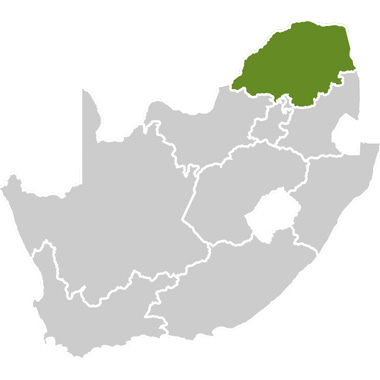
The word rixile means 'rising of the sun' or 'the dawn of day'. The route, situated in the Limpopo province of South Africa, meanders between the small town of Giyani and Phalaborwa, the only town with a gate into the Kruger National Park.

The Limpopo Province is rich in cultural history and there is much to do in this land of myths and legends. The game viewing is possibly the best in the country and it is one of the most renowned eco-tourism destinations in Southern Africa. The province’s impressive mountain scenery beckons hikers, climbers and bikers, while mystic cultural destinations intrigue both local and international tourists.

The province is also referred to as the Great North. It is what the needle of the compass turns to for direction. Maps are ruled by it, and with it goes the symbolism and imagery of greatness and authority.

These are ancient lands. Some of the oldest and most comprehensive remains (and evidence) of prehistoric human habitation can be found at the Makapans Caves near Mokopane. Further along the time scale you find the unique history of the Stone Age San. Today their culture exists largely as spirits in the form of immaculate rock artwork, archaeological relics and in the tradition of storytelling.

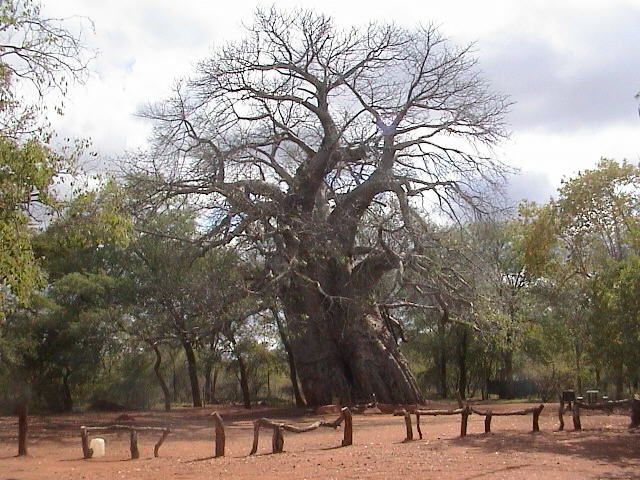
Baobabs, also referred to as the 'upside-down tree', are a distinctive feature of the province. According to local legend these trees were uprooted and cast back to Earth by angry gods.

A compass swing to the east is the wildlife heritage of the Valley of the Olifants in the Lowveld. The Kruger National Park shoulders the province and houses a multitude of fauna and flora. Here are also the mountains, rivers and forests of the Letaba district, an unhurried, fertile area with its own distinctive characteristics.

South are the Nylsvley wetland and the mountains of the Waterberg. Here, the heat can be quenched and the muscles soothed by the mineral baths of the area's wealth of hot spring resorts.

Polokwane is the geographic and economic centre of the province. It provides the administrative workforce for a province of industry and determination. To the north of the province are the neighbouring Southern African countries of Zimbabwe, Botswana and Mozambique and the Limpopo River, which also offers a number of activities for the tourist.

Limpopo is divided into four tourism regions, each representing a range of varied and interesting cultures, growing industries and an expanding tourism industry. Each region is unique.

The tourists regions of Limpopo include:

  • The Waterberg, where the great Waterberg Biosphere incorporates the Nylsvley Nature Reserve and the Makapans Caves;
  • The Capricorn region, which incorporates the provincial capital city of Polokwane;
  • The Zoutpansberg region, which includes the Mapungubwe heritage site and the land of the vhaVenda people; and
  • The Valley of Olifants, with towns such as Tzaneen, Phalaborwa and Hoedspruit.

There is an abundance of Marula/Maroela trees in the area. A local delicacy worth trying when visiting the region is cooked or fried Mopane worms

Mopane worms and marula berries:

The Mopane Worm:

The mopane worm (Imbrasia belina) is a large, edible caterpillar that forms the basis of a multi-million rand trade in the Limpopo Province and Mpumalanga in South Africa, Botswana and Zimbabwe.

The mopane worm feeds on the mopane tree, Colophospermum mopane. The adult stage is a large and attractive Emperor moth (Family Saturnidae). The worm is an important source of protein and income to many people in Africa. However, the trade is threatened by over-harvesting and mopane worms are now rare or extinct in some areas.

One of the greatest problems is the shortsighted destruction of large mopane trees as a way of harvesting worms that are too high to reach. Mopane worms are being studied to try and find out more about the extent to which this resource can be harvested on a sustainable basis.

Mopane Worm Recipe:

Caterpillars are prepared for eating by squeezing out the gut contents before they are fried in their own body fat or boiled in a little water. Most of the caterpillars are dried so that they can be stored for use throughout the year. Dried caterpillars may be eaten dry as a snack or rehydrated and cooked in a little water before they are fried in oil with onion and tomato. They may be served with pap (maize-meal porridge), onion and tomato gravy and atchar (chili sauce).

The Marula:

The Marula is a handsome, medium-sized spreading tree of wooded savannah and belongs to the mango (Anacardiaceae) family. It favours sandy soils in the warmer, eastern parts of the continent, where it may grow up to 15m in height.

Few African trees are held in such high esteem by indigenous peoples. The marula has a multitude of uses in terms of diet and culture. The abundant crop of fruit, high in vitamin C, is a source of jelly and jam as well as the basis for potent liquor. This has been commercialised in recent times as Amarula Cream - one of South Africa's most successful exports.

In addition to the flesh of the fruit - a single tree can produce over 10000 -  the oil-rich seeds or 'nuts' are also sought after by people and a variety of animals. The Zulu people crush and boil the seeds, skim off the oil and use it as a therapeutic body massage while the Venda people are said to use the oil to preserve meat. The seeds are difficult to extract from the stone-like kernel, but the Cape Parrot is able to do so with its strong beak.

Elephants are fanatical about the grey bark of Marulas and, when they occur at high densities, can eliminate entire communities of these valuable trees through destructive ring-barking.

Phalaborwa:

Phalaborwa, meaning 'better than the South', owes its existence to the Ba-Phalaborwa people that started mining copper and iron ore deposits in the area hundreds of years ago. Part of their ancient workings has been traced to two 'koppies' (hills) just outside of Phalaborwa, Sealene and Kgopolwe, which have been declared national monuments.

There is archaeological evidence that the Phalaborwa region was occupied by metalworking communities during at least two periods in the last 1200 years. Both phases of occupation (the 9th-13th and 17th-20th centuries) coincided with trade along the East Coast of Africa. There are approximately 53 metal working sites dotted around the Phalaborwa region.  

Metalworking Sites in Phalaborwa:

The majority of the sites in Phalaborwa are associated with the syenite hills that stud the area. The settlement style of the metalworkers indicates a geographical separation of primary (ore smelting) and secondary (iron forging and copper smelting and forging) metalworking activities. The metalworkers and their families lived on terraces located on the hill slopes and level ground. Iron and copper smelting furnaces were located far from the living quarters. Iron forge furnaces, on which iron bloom was forged, were built close to where people lived. This pattern is consistent with an ideology in which smelting was practised with ritual and associated with many taboos. Smelting was done away from villages so that menopausal women could not attend or interfere with these activities. Medicinal holes in iron smelting furnaces and certain iron forge furnaces served as receptacles for 'medicine' such as human hand bones. Other possible 'medicines' included remains from aardvark, lions and neonatal sheep. Some of these medicines were used to appease the forefathers to ensure a successful smelt.

Geographical separation of smelters’ working areas from residential areas may indicate that smelters were “married” to their furnaces during smelting periods and consequently abstained from sexual intercourse with women during times of iron and coppers smelting. The metalworking process was also regarded as a metaphor for human sexual intercourse, fertility and fecundity. Metalworking eventually became entrenched in the political, social, religious and other aspects of the lives of metalworkers.

The Masorini heritage site close to the Phalaborwa gate was also once inhabited by a group of the Ba-Phalaborwa people. These people made a living by manufacturing and selling iron artefacts during the Iron Age. The site has old shafts and stopes from which ore was extracted in the early days. Local legend has it that the iron was beaten into assegai heads and primitive hoes and used as a form of currency among the Ba-Phalaborwa tribes.

International interest in the 1950's resulted in the establishment of large-scale mining operations in the area. The town itself was established in 1957 after rich phosphate-bearing ore was discovered on the hill known as Loole Kop. Loole Kop has vanished under the onslaught of man and machine. All that remains is an open cast mine. The mine has become a unique tourist attraction as the big hole that was left behind has a diameter of just less than two kilometres. A visit to the view point and the mine museum is a must. The wealth of minerals in the area is attributed to a series of volcanic eruptions 2000-million years ago. The cone of the eruption has long since vanished but the pipe, an astonishing geological feature measuring 19 square kilometres, is still intact. The pipe is filled to an unknown depth with minerals such as phosphates, copper irconium, vermiculite, mica and gold.

Although much has happened since, the original Ba-Phalaborwa people still live in the Greater Phalaborwa area. Many of their traditions and original way of life are still intact.

Cultural tours are becoming increasingly popular and a number of tour operators in the area offer visitors a unique glimpse of different cultures including:

  • Traditional reading by sangomas (traditional healers);
  • The opportunity to taste Mopani worms and drink traditional Maroela beer; and
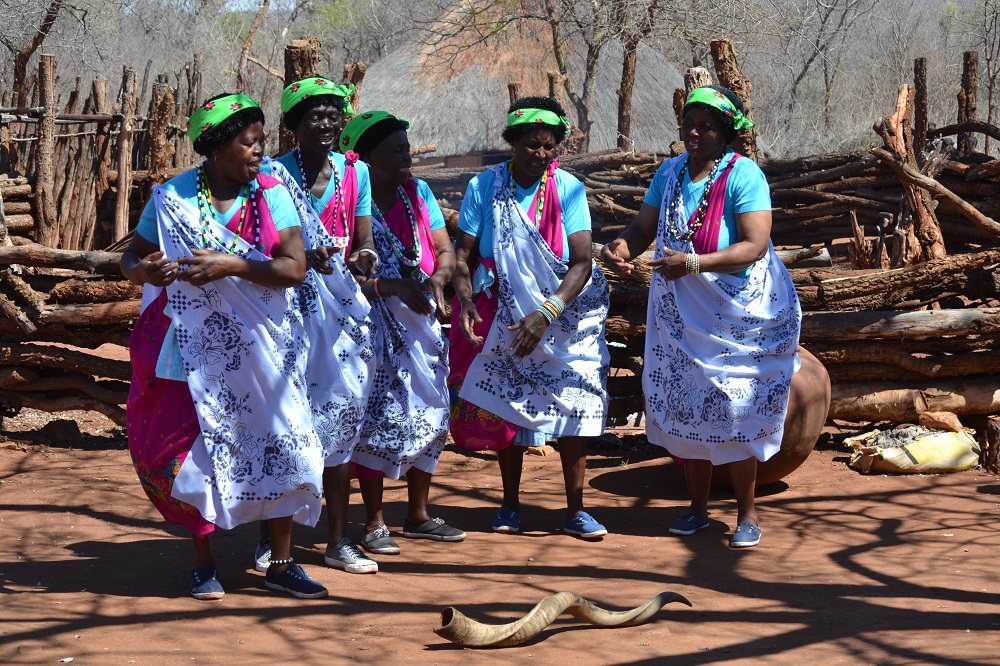
  • Traditional tribal dance and music performances.

Phalaborwa is the only town in South Africa bordering the Kruger National Game Park that also has a gate into the park.

The Phalaborwa Gate and Kruger National Park:

The Phalaborwa Gate opened in June 1961 and currently receives an average of 180000 visitors (approximately 55000 vehicles) per annum. The Kruger National Park was proclaimed in 1926 to protect the wildlife of the Lowveld and now covers an area of about 20000 kilometres squared. It is unrivalled in the diversity of its life forms and a world leader in advanced environmental management techniques and policies.

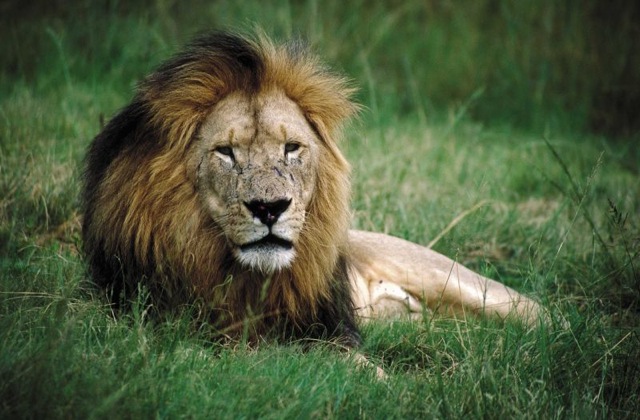
The Park is home to an impressive 336 tree species, 49 fish species, 34 amphibian species, 114 reptile species, 507 bird species and 147 mammal species.

Activities such as guided bushwalks, night and day game drives, 4X4 overland trails and bush braai (barbeque) are offered. Facilities include the Skukuza 9-hole golf course, conference facilities, picnic facilities, swimming pools, restaurants and various forms of accommodation including camping, sleepover hides, cottages, huts and guest houses.

With the establishment of the Greater Limpopo Transfrontier Park, two border posts linking the Kruger National Park to Mozambique are in the process of being developed. The first is the Pafuri Border Post just south of Crooks Corner. The second is at Giriyondo in the northern section between Letaba and Mopani Camps. Culturally there is ample evidence of Middle Stone Age humans in the area. There is also evidence of Early Stone Age (some 500000 to 100000 years ago) humans in the area.

There are also about 80 rock art sites in the area (rock art is generally thought to have been made by the San people) and evidence of Iron Age people dating from recent history back to about 20000 years ago. About 300 archaeological Iron Age sites have also been discovered, dating from recent history to 450AD.

Phalaborwa is known as the town with two summers, with average temperatures of 23°C throughout the year. Tourism and wildlife play a dominant role in the life of this town. Tourists are never more than half an hour’s drive away from destinations such as game farms and lodges, game sanctuaries and nature reserves. The famous Phalaborwa Hans Merensky Golfing Estate is about one kilometre from the centre of town. The golf course is one of few in the world where wild animals roam the fairways. The Gateway Airport in Phalaborwa receives daily scheduled flights from Johannesburg to Phalaborwa.

Phalaborwa also falls within the Kruger to Canyons Biosphere Reserve. Kruger to Canyons (K2C) was registered as a biosphere reserve in 2001 and became the 411th biosphere reserve site to be registered in 94 countries worldwide. The K2C Biosphere Programme is an extensive community-driven initiative situated in the east of the country. It bridges the Limpopo and Mpumalanga provinces. It is also at the interface of the Eastern Transvaal Drakensberg Escarpment and the Central Lowveld.

The Kruger to Canyons Biosphere Reserve:

The Kruger to Canyons Biosphere is an area designated by the United Nations Education and Scientific Organisation (Unesco) as an International Man and Biosphere Reserve (the Biosphere).

Biospheres are regions of outstanding ecological importance seeking a sustainable balance between the needs of mankind and nature. The Kruger to Canyons Biosphere faces South Africa's defining millennium issues: economic development, equitable governance, and empowerment.

The natural environment introduces conservation imperatives into the transformation of the country being undertaken by the government. A new philosophy of African Renaissance has emerged to underpin the imperatives for transformation across the continent. The empowerment of African people is creating new opportunities for cooperation and conservation in South Africa. The Biosphere is an expression of these cultural and political changes. The Transfrontier Park initiatives and recent recognition of the Greater Mapungubwe Cultural Complex will offer the chance to re-integrate cultures that have been historically disrupted and separated by European colonisation.

The Kruger to Canyons Biosphere contains three major biomes (distinctive biogeographic regions): dry savannah woodlands, Afromontane forest and Afromontane grassland.

As the altitude (and consequently rainfall) increases from east to west, a great biodiversity can be witnessed progressing from scrub and savannah upwards into South Africa’s unique fynbos floral system, rainforests, and climax grasslands on the top of the escarpment, where water is more abundant.

The reserve’s website offers a Lowveld resources section which includes a calendar of local events, books and recommended websites on the Lowveld or Kruger.

It also contains:

  • A comprehensive bibliography and glossary relating to the site's materials;
  • News relating to the Kruger region;
  • A discussion board; and
  • A Kruger Region events calendar which people can add to.

Lulekani is a suburb and former township of Phalaborwa. The area is one of the poorest regions of South Africa and despite the altered political circumstances the discrepancy between poor and wealthy people has not changed. The approximately 50 000 inhabitants of Lulekani are solely dependent on work in the surrounding mines and farms. The mines will probably close down within the next twenty years, leaving many of these people unemployed.

Young people are concerned by the high unemployment rate. The children, youth and single parents, mostly women, suffer from insufficient infrastructure and social disadvantages. The exact number of young people who have to earn their living on the streets is not known. Against this background it is astonishing to see people persevere to shape their destinies. This accounts for their favourable attitude to tourism. There are some interesting development projects in Lulekani that address social issues and are well worth a visit.


Useful Links

http://www.phalaborwa.org.za    
http://www.krugerpark.co.za 
http://www.limpopotourism.org.za 
http://www.kruger2canyons.com   
http://www.palabora.co.za 
http://www.southafrica.net


Nearby routes

Hlanganani Route

The Hlanganani route is situated in the northernmost part of South Africa, in Limpopo (previously known as Northern Province), on the north-west border of one of Africa’s finest parks, the Kruger National Park.

Kamoka Route

The region in which this route is located is known as the Cultural Heartland, which is one of the seven registered tourism regions of Mpumalanga province. The general route area is located about 100km north-east of Pretoria, South Africa’s capital city situated in Gauteng, which is the smallest but richest province in the country.

Kruger to Canyons Route

Located in the Kruger to Canyon Biosphere, this route includes the towns of Graskop, Hoedspruit and Phalaborwa. It aims to contribute to the conservation of the biosphere.

Land of Legend Route

The Land of Legend Route, true to its name, offers a platform to explore sacred lands, rippling rivers and awe-inspiring nature sites. Based in Thohoyandou, it is within close range of the Kruger National Park, but deserves more than a stop-over.

Ribolla Open Africa Route

The route, named after the uniquely shaped mountain in the Makhado District, showcases the artistic talents of many of its inhabitants, as well as dancers, storytellers, gardeners and singers.

Rixile Bush to Beach Route

A new concept in tourism, the bush to beach experience provides travellers with the opportunity to have the best of both worlds. Spend a few days in one of Southern Africa’s most renowned game parks before reaching the pristine beaches of Mozambique where you can enjoy scuba diving, snorkelling, angling and whale-watching.

Route of Lost Kingdoms

Follow a trail of myths and legends from the ancient stone wall site of Thulamela to the Mapungubwe World Heritage site in Limpopo Province.

Seraki Blouberg Route

This route lies at the foothills of the Blouberg Mountain in Limpopo and offers an experience that can only be found in Africa. A range of projects with authentic arts and crafts, as well as accommodation in a pristine setting can be found. Vistors can go on adventurous hikes, see cultural and natural heritage and interact with 'real' people.

Comments and Reviews

Add a comment

See all comments from this route

Accommodation

African Lily Lodge | African Lily Lodge offers comfortable accommodation in Phalaborwa.
Arimagham Guesthouse | At this guesthouse, all rooms have been individually decorated and have en-suite bathrooms, television and air-conditioning.
Arti-farti Backpackers | Arti-Farti Backpackers offer laid back affordable accommodation in the heart of the Bushveld.
Basambilu | This facility offers accommodation facilities, as well as a bar/restaurant, lapa and a swimming pool.
Bed in the Bush | Bed in the Bush is a four-star facility that offers lovely accommodation in spectacular surroundings.
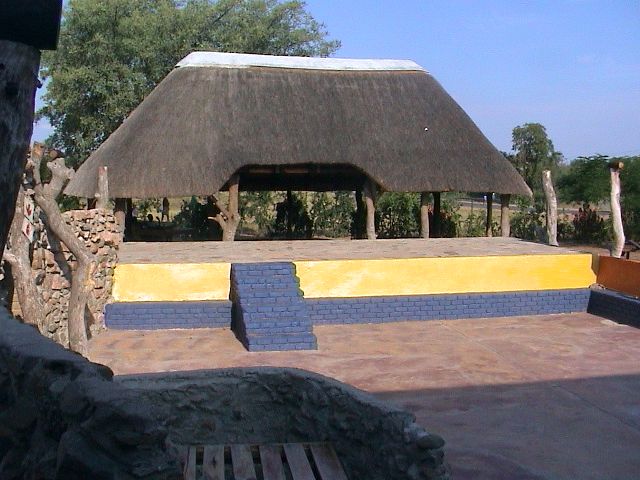
Bel - Himoye Cultural Centre | This centre serves as a venue for traditional song and dance groups to perform and they also serve traditional African food in addition to curios, and arts and crafts that are sold.
Boikhutsong Guesthouse | Boikhutsong offers comfortable, fully equipped rooms with meals available on request. Guests can also buy arts and crafts and local curios at the guesthouse.
Bothabelo B&B | Bothabelo B&B offers luxurious and peaceful accomoodation only 3km from the Kruger National Park.
Daan and Zena’s B&B and Self-Catering | Daan and Zéna’s B&B, one of the oldest, funkiest and definitely thé most colourful B&B accommodation establishments in Phalaborwa.
Elegance Guesthouse | A lovely guesthouse in Phalaborwa.
Elephant Walk Accommodation and Tours | Elephant Walk is a very popular B&B and backpackers visited by guests from all over the world. It is only two minutes away from the entrance gate to the Kruger National Park at Phalaborwa.
Forever Resorts - Impala Inn | This hotel is situated only three minutes from the Hans Merensky Country Club, one of Africa's unique golf courses, where a variety of wildlife can be seen during your 18-hole game.
Hans Merensky Hotel and Spa | Hans Merensky Hotel and Golf Estate is set in the Limpopo Province Bushveld and offers travellers, golfers and wildlife enthusiasts a unique African experience.
Kaia Tani | Kaia Tani Guesthouse is situated in the heart of Phalaborwa. Lush gardens with abundant birdlife surround this African themed guesthouse.
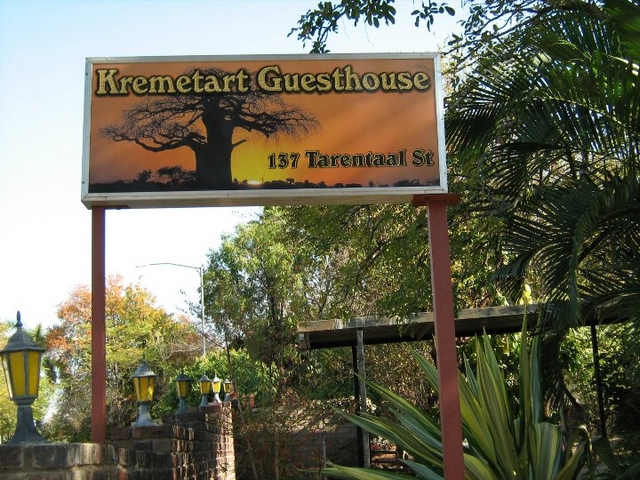
Kremetart Guesthouse | This accommodation is fitted with air-conditioning and DSTV is available in all the rooms.
La Lechere Guesthouse | La Lechere Guesthouse offers a luxury and peaceful haven situated only 5km from the Kruger National Park. This 4-star guesthouse breathes a contemporary African ambience and offers the perfect bush experience.
Lantana Lodge | At Lantana Lodge, in the heart of Phalaborwa, the owners, Willie and Salome Williams together with their friendly staff, pride themselves on the personal attention given to visitors to ensure that they will leave as friends with fond memories of a pleasan
Loerie Lodge Corporate Guesthouse | Loerie Lodge is situated on a double property and consists of two types of accommodation. The mixture gives you the choice of several combinations and all are air-conditioned en-suite with colour televisions, M-Net and DSTV.
Malembe Guesthouse | A guesthouse where guests are treated to the both international and South African cuisines.
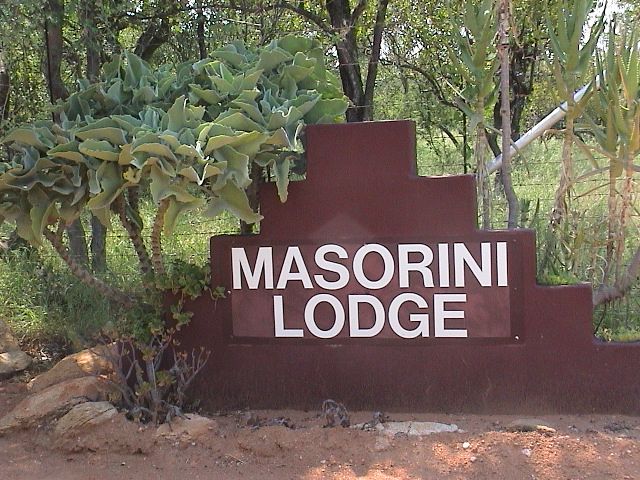
Masorini Bush Lodge | This lodge offers either self-catering A-frames with en-suite bathroom and a large patio with kitchenette, and braai facility (barbeque), or lodge chalets with en-suite bathroom and private patio.
Mhangy's Rock Resort | Nine rondavels offer lovely accommodation and guests will be treated with excellent service.
Mopani Guesthouse | The businessperson, traveller, company representative or explorer of our scenic province will all enjoy our hospitality!!!
Mufasa Lodge | This lodge offers thatched chalet self-catering or bed and breakfast accommodation. All accommodation units are en-suite and towels and linen are provided.
Oasis Lodge Giyani | Oasis Lodge is a unique African themed lodge and offers 50 luxurious suites with air-conditioning and all amenities. All rooms are equipped with luxurious beds, DSTV, refreshments, data points and internet access.
Phalaborwa Country Manor | This prestigious Manor is ideally situated in the centre of Phalaborwa also known as 'The Town of Two Summers' 3km from the airport and the Kruger National Park gate.
Raintree Cottage | Raintree Cottage has eight bedrooms, individually and tastefully decorated in Victorian interiors, with private entrances from the veranda.
Riverside Guesthouse | Riverside Guesthouse offers comfortable accommodation in the town of Giyani. There is also a cottage with two bedrooms available.
Royal Game Guesthouse | This guesthouse has been awarded a gold accreditation by SATOUR. They were also awarded a four star grading from the Tourism Grading Council of South Africa in November 2003.
Sammy Mchabe Tour Guiding | Sammy is a trained tour guide that take visitors on cultural tours of the area.
Sefapane Lodge and Safaris | Located only 1km from the Kruger National Park in Phalaborwa, Sefapane Lodge & Safaris offers tourists a luxury base from which to explore the famous game park and all the highlights of the Limpopo and Mpumalanga Provinces.
Shona-Langa Resort | Shona-Langa Resort is situated on the banks of the Olifants River where a variety of game can be sighted. Sightings can range from elephant, leopard, lion, hippo, crocodile, giraffe, buffalo, impala and waterbuck, to mention but a few.
Sunbird Lodge | A lovely lodge in Phalaborwa offering comfortable accommodation.
Tambotie Guesthouse | Tambotie Guesthouse consists of two spacious double rooms with private bathrooms, air-conditioning and televisions in each room.
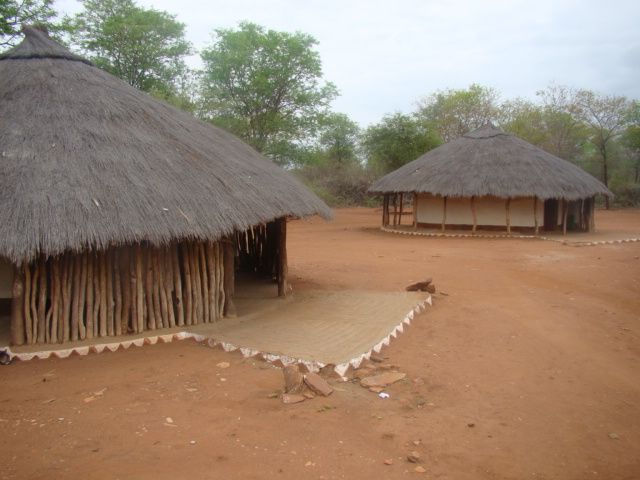
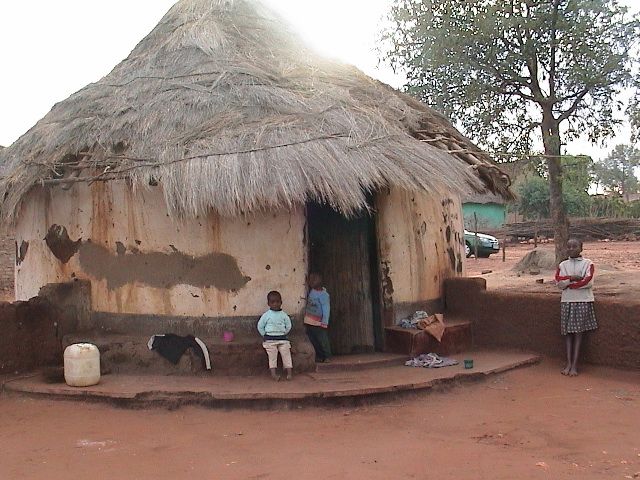
Thomo Heritage Park | Thomo Heritage Park offers accommodation in Iron Age huts. Visitors can indulge in Tsonga traditional food and experience cultural events.
Uncle Tom’s Guesthouse | Uncle Tom's provides safe parking and a lock up gate and also have a swimming pool and braai (BBQ) facilities.
Xisaka Guesthouse and Conference | A thatched guesthouse and conference centre that specialises in xi-Tsonga cuisine.

Activity and Adventure

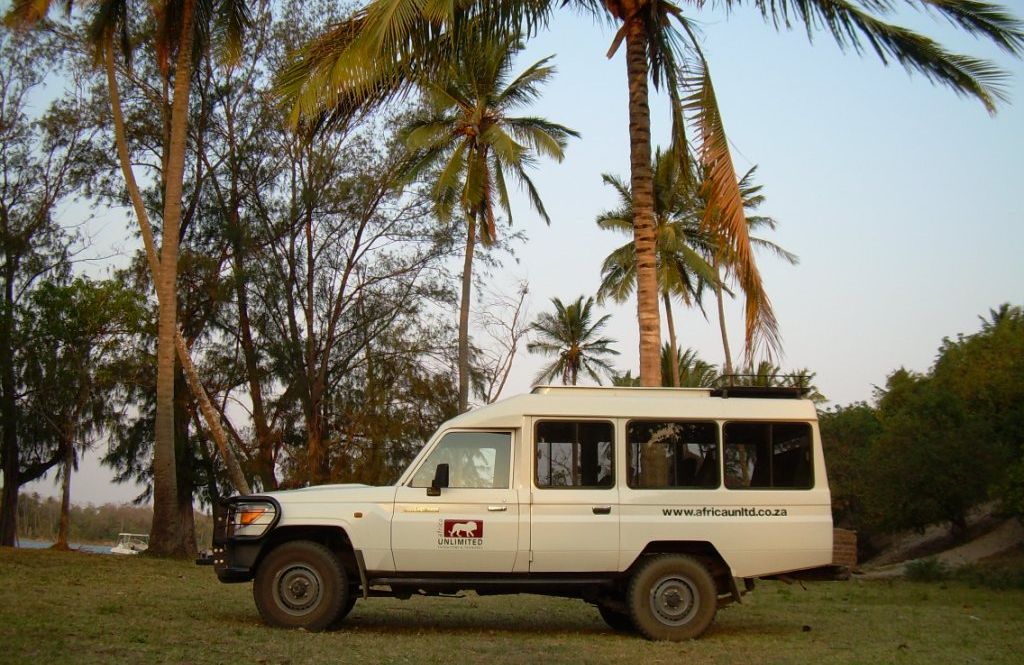
Africa Unlimited Tours cc | Africa Unlimited’s expeditions, safaris and tours are for travellers who want to experience true African bush, beach and wildlife.
Executive Hotline Travel and Tours | Executive Hotline Travel and Tours offers a wide range of tours in the Giyani area. They also cater for group holidays.
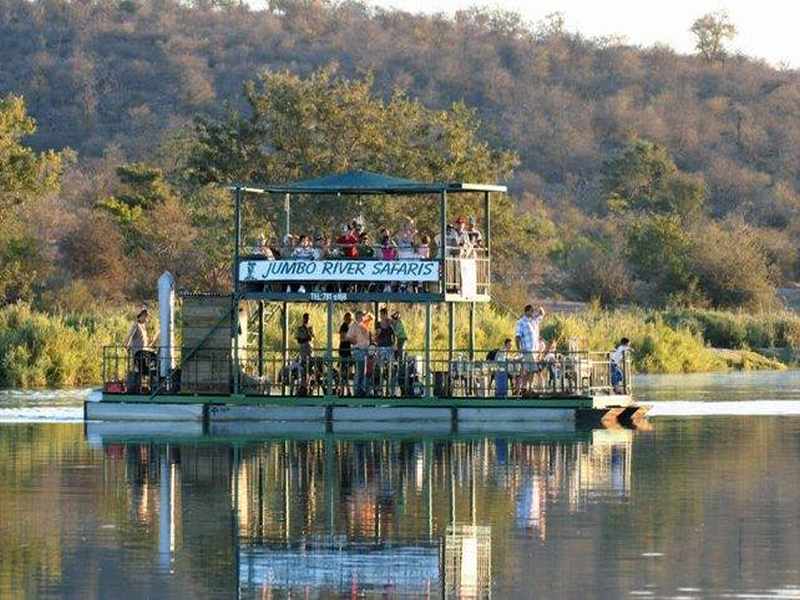
Jumbo River Safaris | A houseboat like this is ideal for game-viewing as the game concentrates on the river bank to come and drink water.
My African Dream Safari Tours and Adventures | My African Dream Safari is a tour operator operating from the Kruger Park Gateway Airport.
Select-A-Safari | Select-a-Safari specialises in river safaris on the Olifants River that consist of a three hour trip where many types of wildlife can be seen, including the “Big 5”.
Tsonga Open-Air Museum | The Tsonga Open-Air Museum, as it is today, is an attempt to show as many of the traditional building styles of the North Tsonga as possible.

Food & Beverage

Amarula Lapa | Amarula Lapa is accredited as a five star establishment by the Tourism Grading Council of South Africa. In addition to tasting Amarula Cream, they offer food products, beverages and tobacco products.

Arts & Crafts

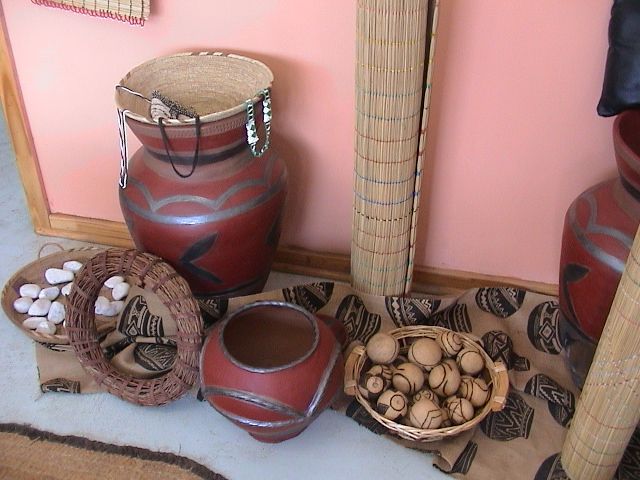
Afrikania Pottery | Afrikania is a pottery business based in Phalaborwa.
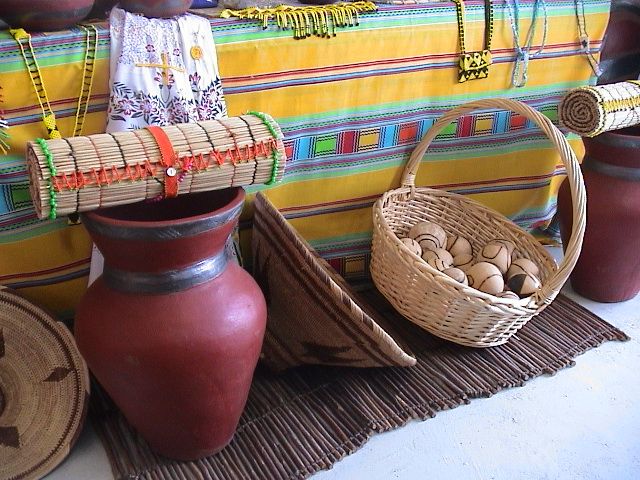
Chivirikani African Experience | Chivirikani is a community owned project that specialises in the manufacturing of grass handbags, notebook covers and lamps. They also do beadwork and sewing.
Greater Giyani Jewellery Project | Greater Giyani Jewellery manufacters products from copper, silver, gold, a variety of beads and horns. They also make beaded skirts and scarfs.
Khomisani Cultural Group
Midas Touch | This business started in 1989 and sells African art like flowers, handmade lamps, etc.
Mmutle and Culture | Petrus makes a variety of animals and other items such as bowls and walking sticks.
Njombo Community Project | The Njombo Community Project started off with fifteen unemployed women that do sewing and embroidery.
Pfunekani STC | A local initiative that provides crafters an outlet at which to showcase their goods from.

Tourism and Environment

Edzisani Tourism Institution | Edzisani offers skills development and training through THETA, as well as tourism and hospitality courses. They are also involved with conservation and sports development.
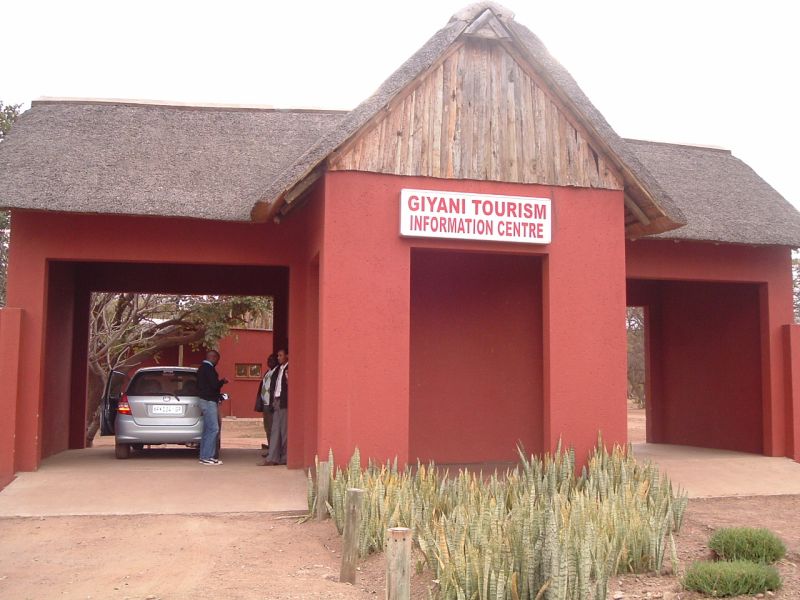
Giyani Tourism Information Centre | The centre provides information for tourist and visitors in the Greater Giyani District.
Mathonsi - Cultural Dancer and Local Tour Guide | A cultural dancer and musician who organises various cultural events.
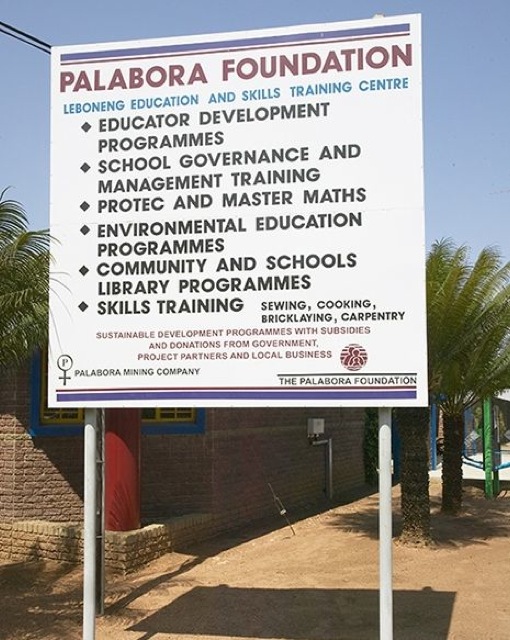
Palabora Foundation | The foundation is the sustainable development arm of Palabora Mining Company and it’s corporate social investment programmes are directly aligned with the core business of the mine.

Services

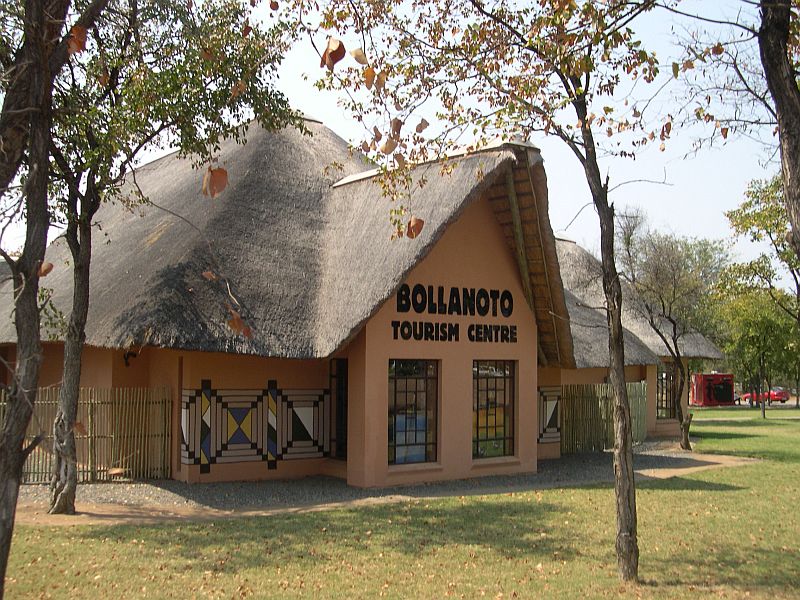
Bollanoto Tourism Centre | This centre is able to provide tourists with information on a range of activities in and around Phalaborwa.
Leka Gape Shelter/Organisation | As a non-profit organisation, Leka Gape mostly cares about socially disadvantaged people in one of the poorest regions of South Africa.
Namakgale Tourism Information Centre and Tour Operator cc | The aim of this business is to promote Ba-phalaborwa and Giyani areas, specifically focussing in on local culture.
One Love Travelling Agency cc | One Love Travelling Agency is a tourguiding agency that can arrange anything from accommodation bookings to car hire and flights.
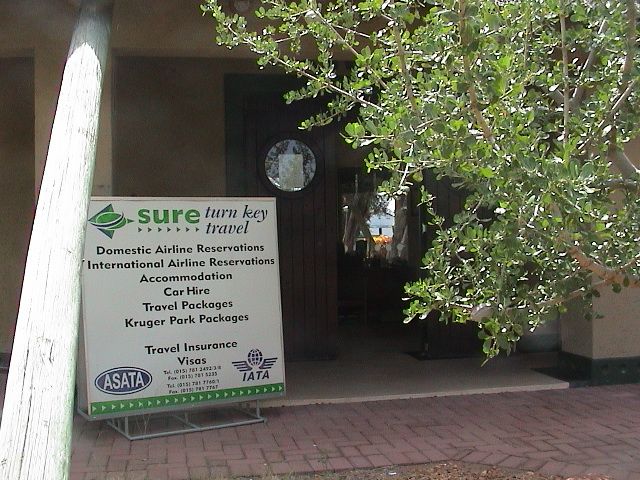
Sure Turn Key Travel | A company that offers a wide range of travel solutions.
Turn Key Tours | Turn Key Travel is located at the Kruger Park Gateway Airport and offers a wide range of services.
Vaendzi Travelling Agency | Vaendzi Travelling Agency can arrange accommodation, flights and car rental.
Xibutahi Trading Enterprise cc | Xibutahi Trading Enterprise is a touroperator in Giyani.

Full printable contact list

Contact

Do you have any queries about this route? Please contact us using the details below.

Wisani or Themba

  • Tel: +27 76 997 8677 or +27 82 434 3804
  • Email:

Enquire about this route by using the contact form below:


Photos

See all photos

Verbatim

Going into the African bush is like being able to make a phone call to God.

– Noel de Villiers, Open Africa

Did You Know?

In 1866 Erasmus Jacobs picked up a shiny pebble while out walking, only to discover that it was a 21-carat diamond called the Eureka. The find was to herald the diamond rush in South Africa.

– See Kimberley Diamond Route

Contact


© Open Africa 2009. Disclaimer. Privacy Policy.
Designed and maintained by Flow Communications. Report a site problem.