







South Africa » Richtersveld Route

Download GPS Coordinates (KML file) (what is this?)

Richtersveld Route

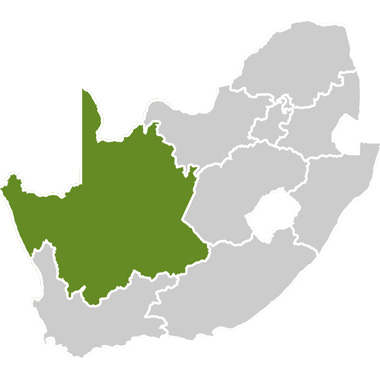
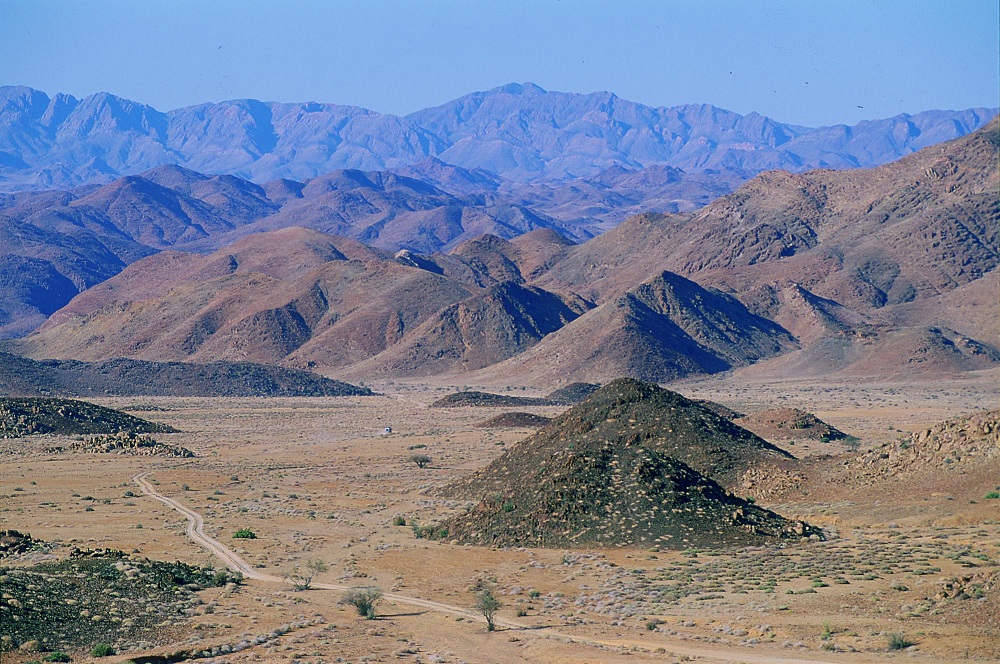
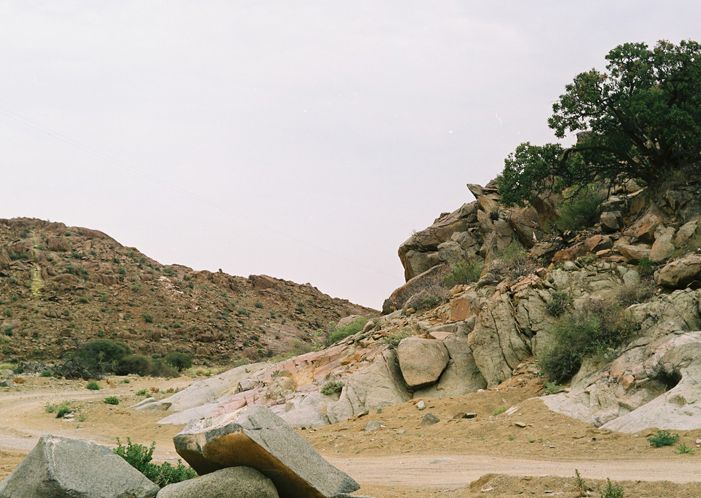
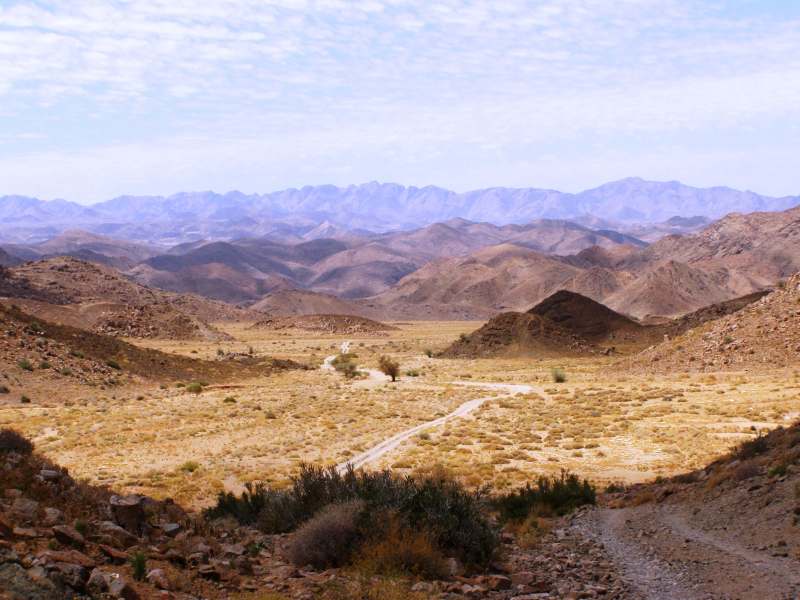
The Richtersveld is a mountainous desert situated in the north-west corner of South Africa. To its west is the cold and rough Atlantic Ocean while the remarkable Orange River, the largest river in South Africa, winds along its northern border. The Richtersveld has the highest diversity of succulent plants in the world (4 849 species, of which 1 940 are endemic), as well as eerie coastal mists, alluvial diamonds and truly indigenous cultures.

Diamonds!

One of the most amazing things about the coast of Namaqualand and southern Namibia is the presence of huge deposits of alluvial diamonds. The alluvial deposit was first discovered in June 1926 by Captain Jack Carstens, an officer in the Indian Army who was spending his leave visiting his father in Port Nolloth.

His findings started a huge rush, but the prospectors faced huge hardships – heat, sand, dust and little fresh water. Geologists soon discovered a baffling fact. The diamonds were invariably found in beds of gravel mixed with the fossilised shells of an extinct warm-water oyster. Diamonds and oysters have no connection, but some geological change must have occurred that killed the oysters (possibly by altering the temperature of the sea) and produced diamonds.

After the first findings, the government stepped in and secured vast areas to control mining operations so as to not flood the market. Today, millions of rands’ worth of both alluvial and surface-mined diamonds are recovered each year in the Richtersveld area.

Interesting Richtersveld plants:

Two of the most fascinating plants found in the Richtersveld are the kokerboom or quiver tree and the halfmensboom or 'half-human tree'.

Several species of quiver trees (Aloe dichotoma) occur in the Richtersveld. These peculiar trees are similar to the other famous African tree, the baobab, as they also appear to be growing upside-down. Green succulent 'leaves' sprout from the top of many root-like branches. These branches are hollow and the San people used them as quivers for their arrows, thereby naming the tree.

The halfmensboom (Pachypodium namaquanum), a succulent, appears half-human, half-plant with its portly base and bush of green 'hair'. Its single stem with occasional short branches can reach 4m in height. The trunk of the tree is covered in warty protuberances, and the flowers and fruits are produced among the leaves. The flowers, red inside and green outside, are tubular in shape and approximately 5cm long. An entertaining legend surrounds these interesting trees, but it is essential to visit the area and have it told by descendants of the Nama people.

Activities:

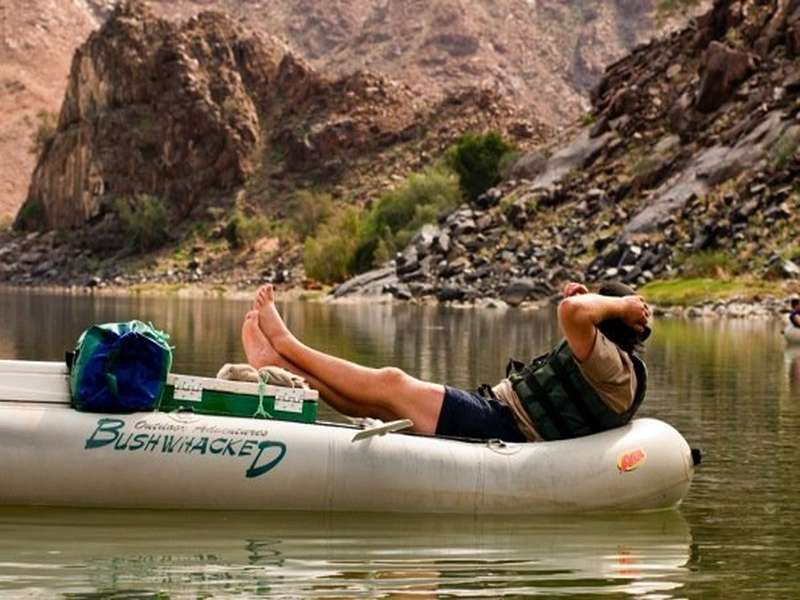
Activities on the Richtersveld Route include hiking, 4x4 trails, bird-watching, mountain biking and donkey-cart rides. Artists, seafood lovers, geologists, photographers and those interested in indigenous culture, diamond mining and desert-living will all find the Richtersveld enchanting.

Besides offering the above activities, the Richtersveld Route also embraces the Richtersveld National Park, a haven for the 4x4 enthusiast. The park is unique in that it is a contractual park – jointly managed by the local community and South African National Parks. Stock farmers may continue to graze their livestock in the park, thereby maintaining a centuries-old tradition. The Richtersveld National Park is also soon to be joined with parks in Namibia and possibly Angola to create a large Transfrontier Conservation Area.

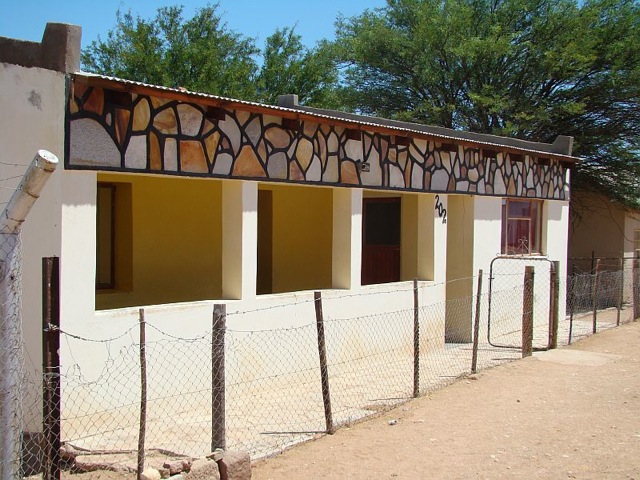
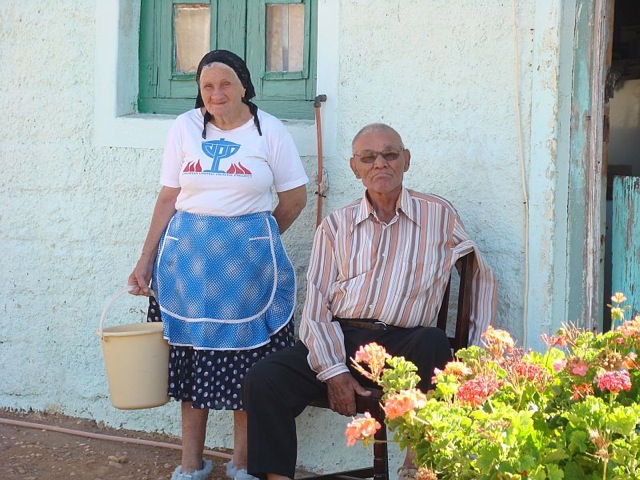
Each small village in the Richtersveld has distinctive features and characteristics. The Richtersveld Route is therefore described under the towns seen on the map. A short background is given for each town, after which the facilities and activities are listed. In the Richtersveld, the traditional culture of the inhabitants is a feature that should be explored and enjoyed. Visiting these hospitable and friendly people is an essential part of any trip to the area.

Early inhabitants of the Richtersveld:

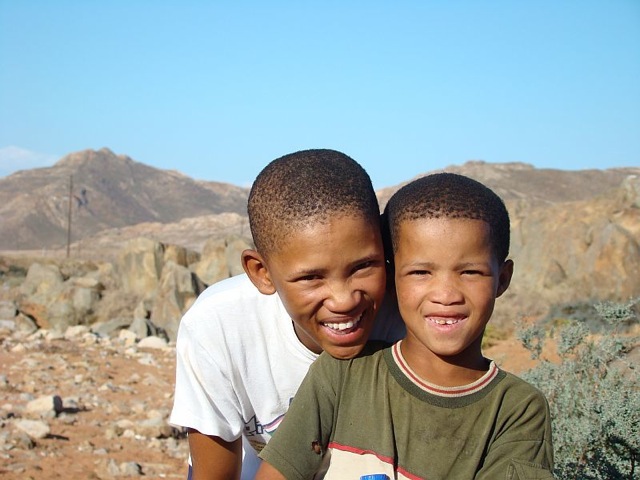
Humans have occupied the Richtersveld for thousands of years. The ancestors of the Bushmen or San who lived here hunted game such as springbok and gathered plant foods such as berries and bulbs. They left behind them small stone tools that can be still found today (all archaeological artefacts are protected by law and may not be removed). The hunter-gatherers probably only used the area after good rains and are likely to have moved seasonally between the plains and the mountains. The first Khoekhoen or pastoralist people moved into South Africa from northern Botswana about 2 000 years ago. They brought with them fat-tailed sheep and later cattle. They spoke a different language from the Bushmen, but also hunted and gathered – slaughtering their animals only on rare, ceremonial occasions. The Nama-speaking herders in the Richtersveld are descended from these first pastoralists.

Because of its isolation, the Richtersveld was not visited by European travellers until the middle of the 19th century. One of the earliest explorers was James Alexander, who prospected for copper and visited the Little Namaqua settlement at Arries Drift in 1836. The mat huts he saw are the same as the matjiehuise that can be seen in the area today. The Richtersveld is named after an inspector, Dr Richter, who came to inspect a mission station that was founded at Kuboes in 1840.

Prospecting for minerals started in the mid 19th century. White farmers settled in the Richtersveld during the 20th century. The South African government also resettled a large group of so-called 'basters' during the apartheid years in the villages of Eksteenfontein and Lekkersing from their settlements in Bushmanland. The Nama-speaking people of the Richtersveld have retained many aspects of their traditional heritage.

Additional information for travellers:

Climate: The Richtersveld has a harsh desert climate with temperatures reaching 50°C on summer days. Nights can be cold and dew often falls. Sunscreen, hats and cool clothing are essential.

Travel: A main tarred road traces the outskirts of the Richtersveld Route area – the R382 road that leaves the N7 highway at Steinkopf and travels to Port Nolloth and then north along the coast to Alexander Bay. Dirt roads criss-cross the area between the tar road and the Orange River. The condition of these roads is variable, so it is always best to enquire with the locals should you be driving a non-4x4. If you are heading for the Richtersveld National Park, you have a number of options besides the tarred road along the coast.

Banking: It would be wise to conduct all your banking in Port Nolloth or Springbok. Most shops in the Richtersveld towns are cash-only.

Supplies: It is always advisable to have sufficient water supplies in your vehicle. Firewood should be bought, not collected from the veld.

Camping: It is inadvisable to sleep on bare ground as there are many scorpions in the area. Gas cookers are recommended as they are less of a fire hazard in the windy evenings.


Nearby routes

Augrabies Contrast Route

Northern Cape, South Africa: This route forms a U-shape along both banks of the Orange River, the base of the U being the only place where vehicles can cross the river.

Footprints of the San

The two focus areas in this route are Kimberley’s Platfontein, where the !Xun and Khwe San tribes live, and the Kalahari. This route stretches over a distance of roughly 600km and captures breathtaking contrasts.

Kalahari Oasis Route

Northern Cape, South Africa: This route centres on Upington, an oasis fed by the Orange River and surrounded by the harsh Kalahari Desert.

Kalahari Red Dune Route

Northern Cape, South Africa: This route, full of natural and cultural treasures, extends north of Upington into the area of South Africa that fits between Namibia and Botswana. It incorporates the Kgalagadi Transfrontier Park.

Kamiesberg Route

Northern Cape, South Africa: This route stretches from the west coast to the Kamiesberg Mountain Range and links with the Namaqua National Park in the Namaqualand region, famous for its wild flowers. The route is in the centre of the Succulent Karoo Biodiversity Hotspot.

Kimberley Diamond Route

Northern Cape, South Africa: This route centres on the town of Kimberley, where a diamond mining rush began after the first stone was discovered in 1866. Surrounding Kimberley are the sites of some important battles of the Anglo Boer War, as well as rock art sites.

Comments and Reviews

facinating

Kamal on 23rd o June, 2010 at 15:18.

Richtersveld Tours- Wonderfull, many ,many flowers, Kookerbooms....Good trip and the best guide...

Enrique Lopez-tapia on 15th o April, 2009 at 09:01.

Add a comment