
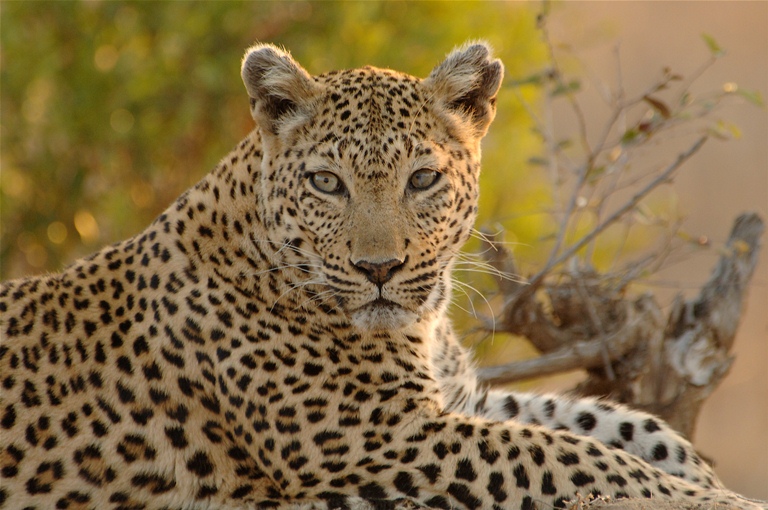
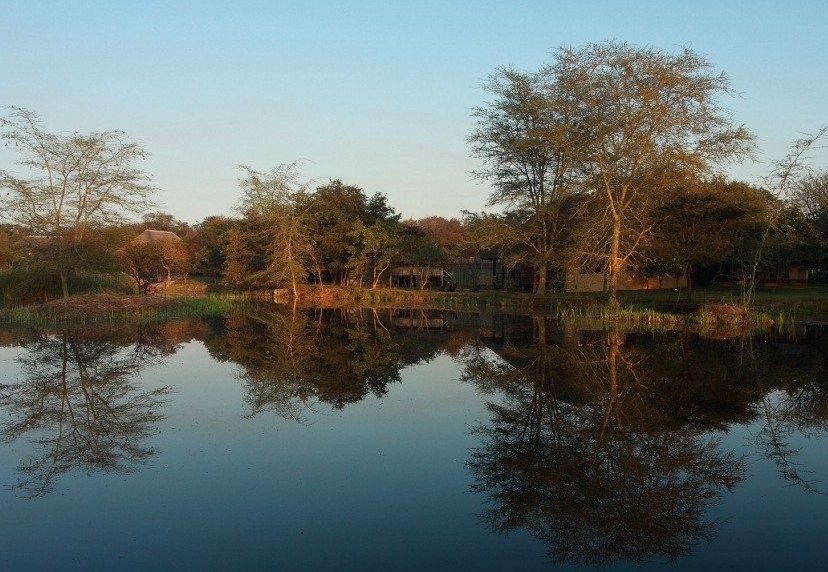
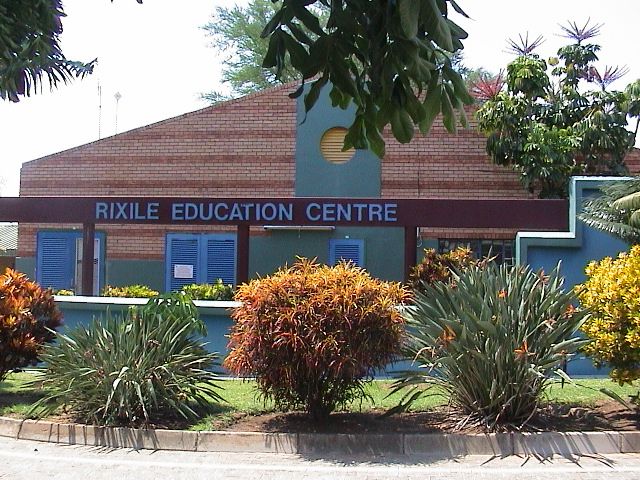

Phalaborwa is known as the town of two summers, with average temperatures of 23°C throughout the year. Tourism and wildlife play a dominant role in the life of this town. Tourists are never more than half an hour’s drive away from destinations such as game farms and lodges, game sanctuaries and nature reserves. The Gateway Airport in Phalaborwa receives daily scheduled flights from Johannesburg to Phalaborwa.
Phalaborwa Route
Features

Loerie Lodge Corporate Guesthouse
Loerie Lodge is situated on a double property and consists of two types of accommodation. The mixture gives you the choice of seve...
Boikhutsong Guesthouse
Facilities: Swimming pool; Lapa with DSTV; Braai (barbeque) facilities; Laundry services; Airport shuttle; Breakfast, lunc...
Forever Resorts – Impala Inn
Impala Inn is situated only three minutes from the Hans Merensky Country Club, one of Africa's unique golf courses, where a variet...
Forever Resorts – Phalaborwa Safari Park
The newly developed Phalaborwa Safari Park is another addition to the Forever Resorts family, located at the gate of the Kruger Na...
Sefapane Lodge and Safaris
Sefapane Lodge is situated on a beautiful piece of unspoiled bushveld with dense abundant gardens and four dams. It offers a luxur...
Basambilu
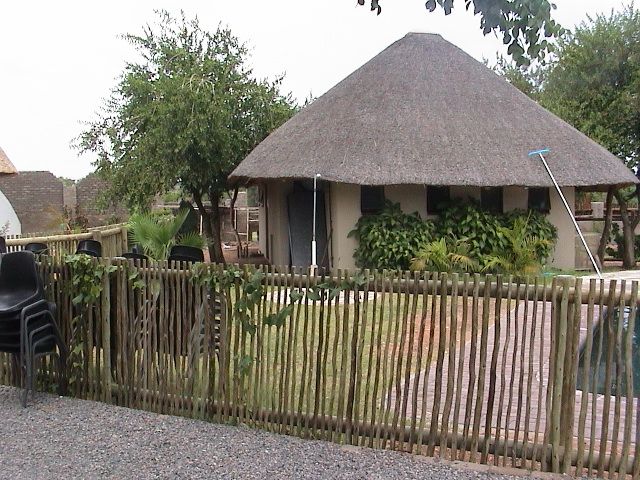
This business was built as a response to the identified needs of tourists to be able to not only see, but also interact with Afric...
Forever Resorts – Phalaborwa Safari Park
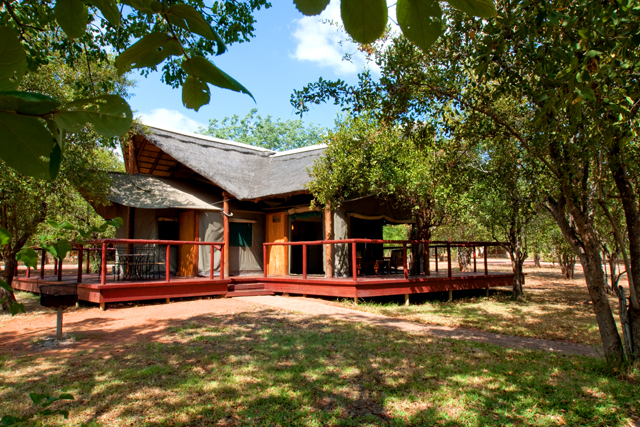
The newly developed Phalaborwa Safari Park is another addition to the Forever Resorts family, located at the gate of the Kruger Na...
Sunbird Lodge
The lodge has the following facilities on offer: Swimming pool; Unique African bar; Lapas; Excellent braai (barbeque) facilities;...
Uncle Tom’s Guesthouse
Uncle Tom's provide safe parking and a lock up gate and also have a swimming pool and braai (barbeque) facilities. All their ...
Forever Resorts – Impala Inn
This hotel is situated only three minutes from the Hans Merensky Country Club, one of Africa's unique golf courses, where a v...
La Lechere Guesthouse
La Lechere Guesthouse offers a luxury and peaceful haven situated only 5km from the Kruger National Park. Quietly situated o...
Kaia Tani Guesthouse
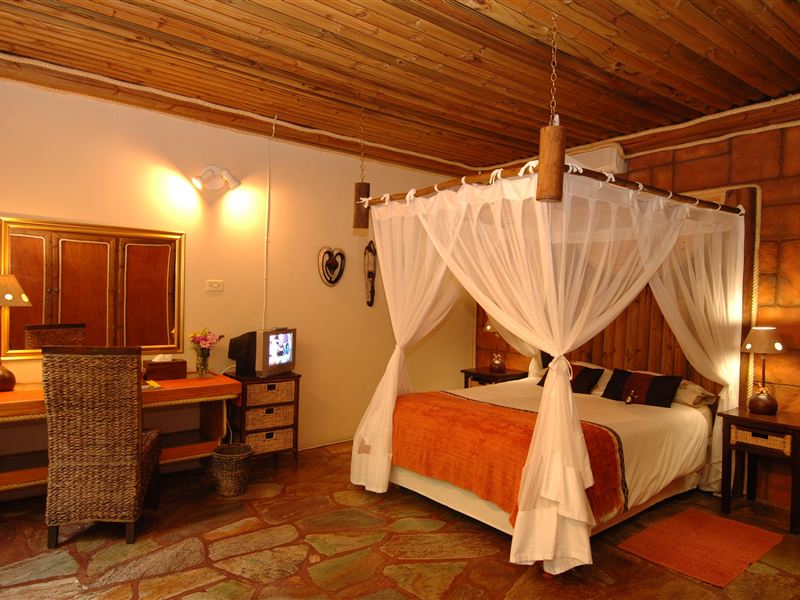
Kaia Tani Guesthouse is situated in the heart of Phalaborwa. Lush gardens with abundant birdlife surround this African themed gues...
Arimagham Guesthouse
Arimagham is situated only five minutes drive from the entrance to the Kruger National Park and they have the following facilities...
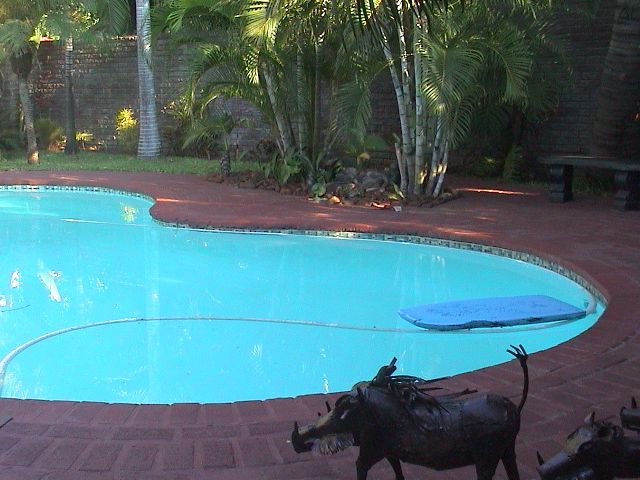
Loerie Lodge Corporate Guesthouse
Loerie Lodge Corporate Guesthouse is situated on a double property and consists of two types of accommodation. The mixture gives y...
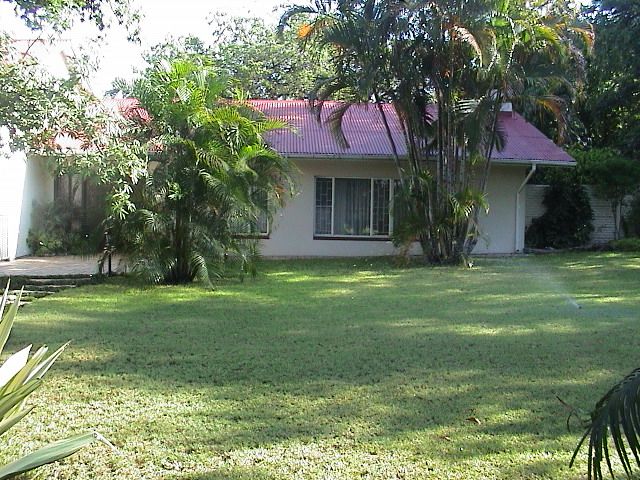
Tambotie Guesthouse
Tambotie Guesthouse consists of two spacious double rooms with private bathrooms, air-conditioning and televisions in each room. T...
Uncle Tom’s Guesthouse
Uncle Tom's Guesthouse provides safe parking and a lock up gate and also have a swimming pool and braai (barbeque) facilities. Al...
Tambotie Guesthouse
Tambotie Guesthouse consists of two spacious double rooms with private bathrooms, air-conditioning and televisions in each room. T...
Bed in the Bush
The main house is a welcoming oasis that soon lures you into a relaxing mode amongst the sounds of the African bush. The large en-...
Arimagham Guesthouse
Arimagham is situated only five minutes drive from the entrance to the Kruger National Park and they have the following facilities...
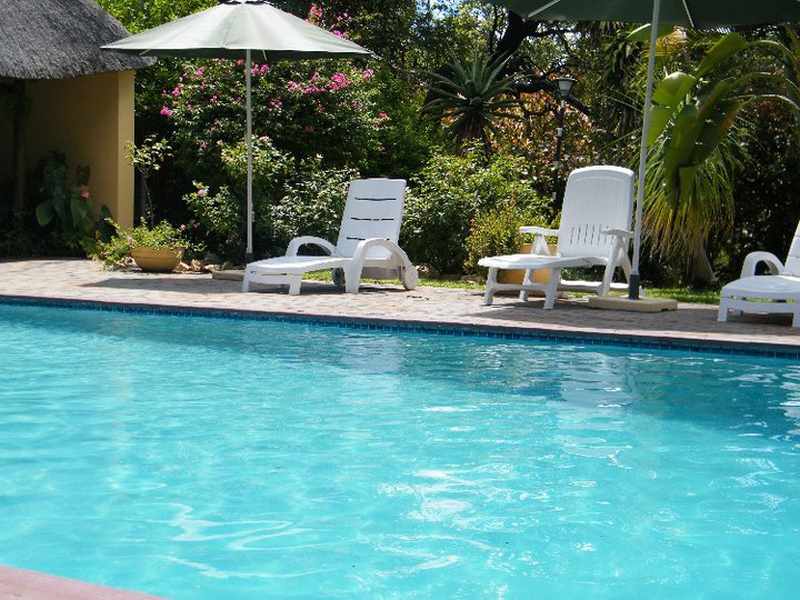
Sunbird Lodge
The lodge has the following facilities on offer: Swimming pool; Unique African bar; Lapas; Excellent braai (barbeque) facili...
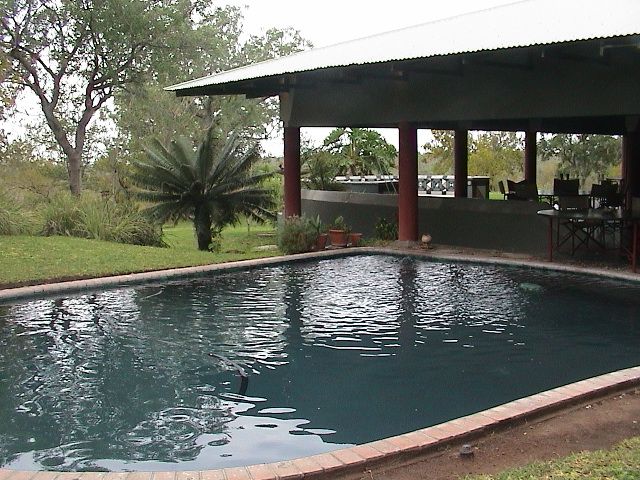
Bed in the Bush
The main house is a welcoming oasis that soon lures you into a relaxing mode amongst the sounds of the African bush. The large en-...
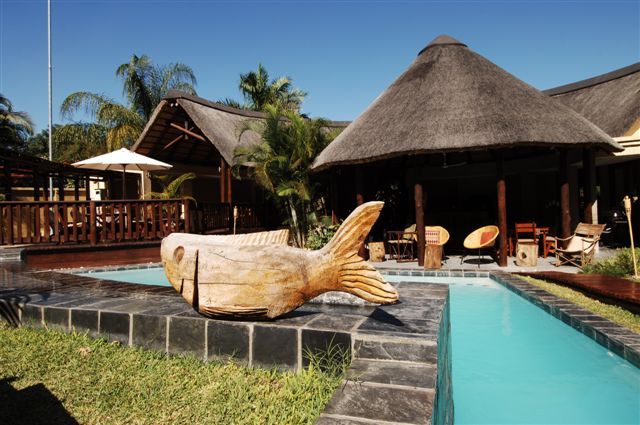
La Lechere Guesthouse
La Lechere Guesthouse offers a luxury and peaceful haven situated only 5km from the Kruger National Park. Quietly situated on the ...
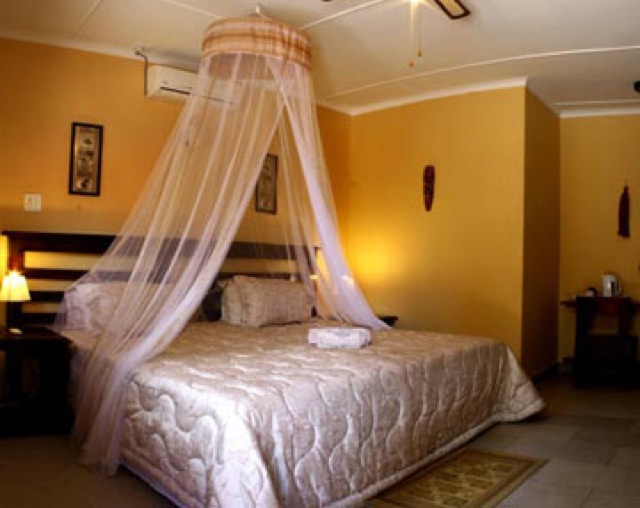
Boikhutsong Guesthouse
Facilities: Swimming pool; Lapa with DSTV; Braai (barbeque) facilities; Laundry services; Airport shuttle; Breakfast, lunc...
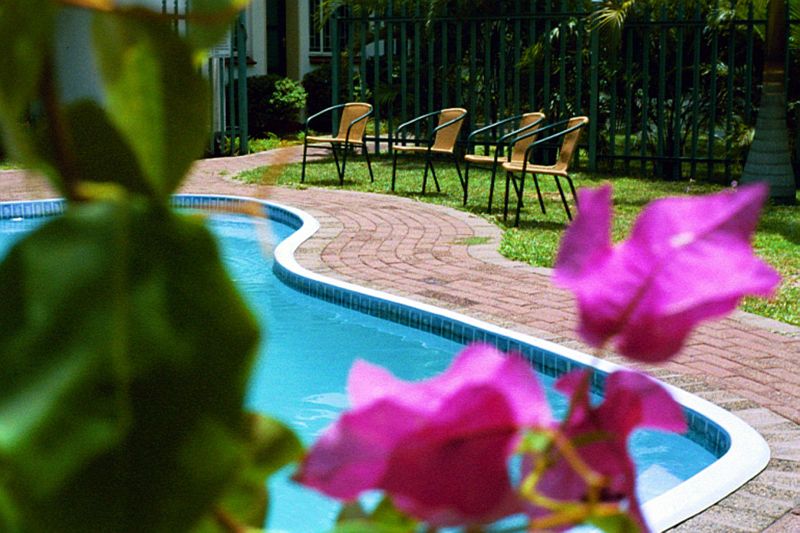
African Lily Self-Catering Family Suites
Self-catering basic family rooms in Phalaborwa - your gateway to Kruger National Park and Mozambique. African Lily Self-Catering ...
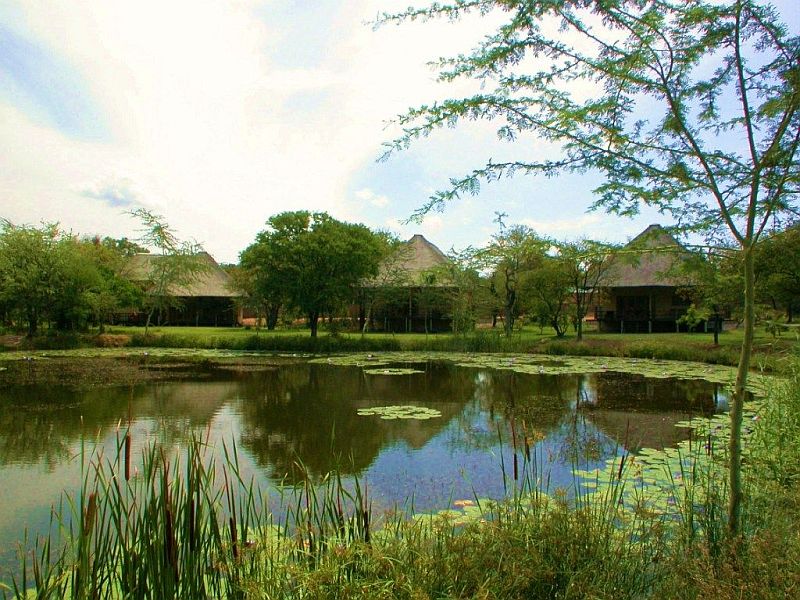
Sefapane Lodges and Safaris
Sefapane Lodges & Safaris has been providing guests with our brand of Limpopo hospitality for 25 years. Our location, 1km outs...
African Lily Self-Catering Family Suites
Self-catering basic Family Rooms in Phalaborwa - your gateway to Kruger National Park and Mozambique. African Lily Self-Catering F...
Masorini Bush Lodge
This lodge can accommodate sixteen guests at a time. They offer either self-catering A-frames with en-suite bathroom and a la...
Kaia Tani
Kaia Tani Guesthouse is situated in the heart of Phalaborwa. Lush gardens with abundant birdlife surround this African themed gues...
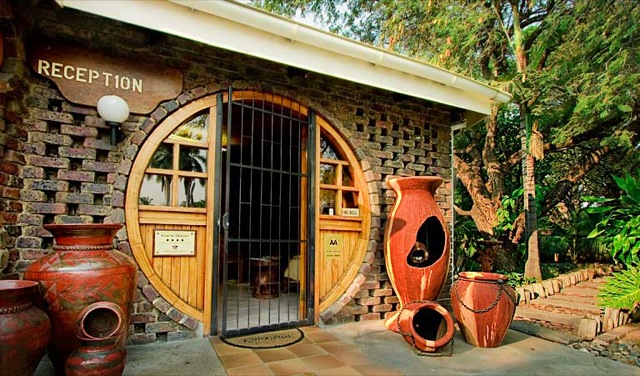
Royal Game Guesthouse
This guesthouse has been awarded a gold accreditation by SATOUR. They were also awarded a 4-star grading from the Tourism Gra...
Basambilu
This business was built as a response to the identified needs of tourists to be able to not only see, but also interact with Afric...
Royal Game Guesthouse
This guesthouse has been awarded a gold accreditation by SATOUR. They were also awarded a 4-star grading from the Tourism Gra...
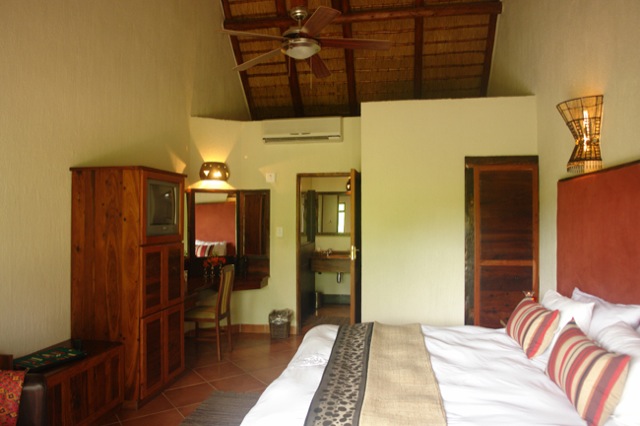
Hans Merensky Hotel and Spa
An oasis of rare tranquillity and beauty. Situated on the border of the world renowned Kruger National Park, the Hans Merensk...
TSAR Hotels
TSAR Hotels, all Hollywood glamour and style in a sleek and modern setting, is situated in a prime location in the heart of Phalab...
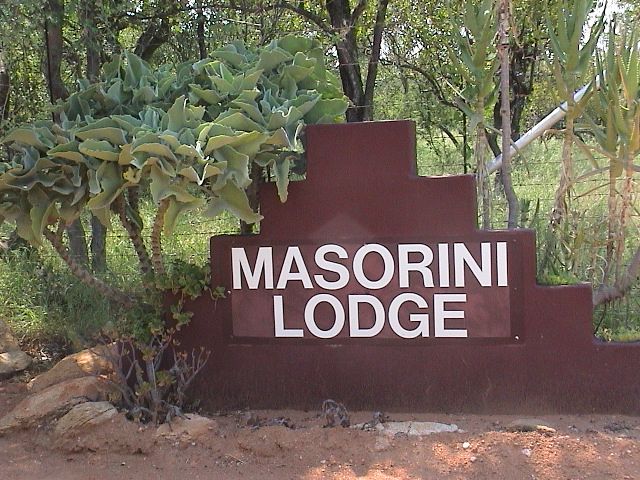
Masorini Bush Lodge
Masorini Bush Lodge can accommodate 16 guests at a time. They offer either self-catering A-frames with en-suite bathroom and ...
Hans Merensky Hotel and Spa
An oasis of rare tranquillity and beauty. Situated on the border of the world renowned Kruger National Park, the Hans M...
Africa Unlimited Tours cc
Africa Unlimited’s expeditions, safaris and tours are for travellers who want to experience true African bush, beach and wil...
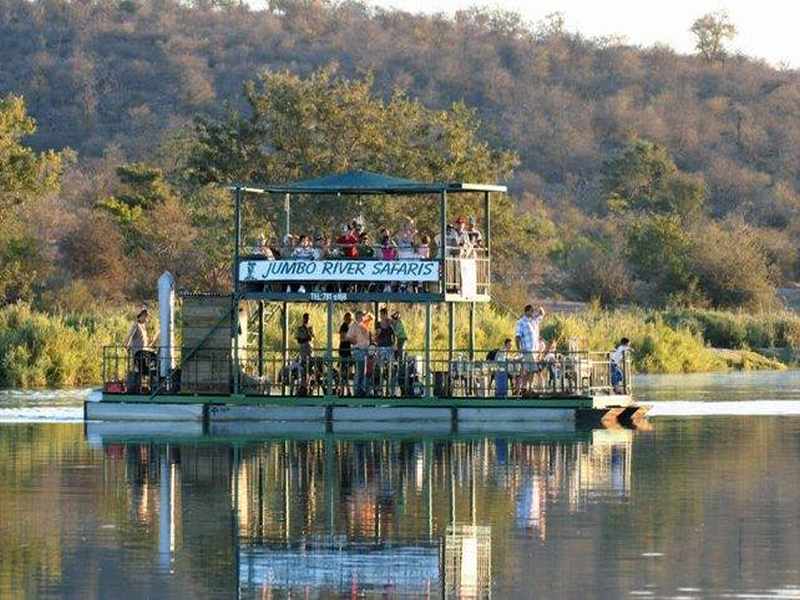
Jumbo River Safaris
A houseboat like this is ideal for game-viewing as the game concentrates on the river bank to come and drink water. Willie runs hi...
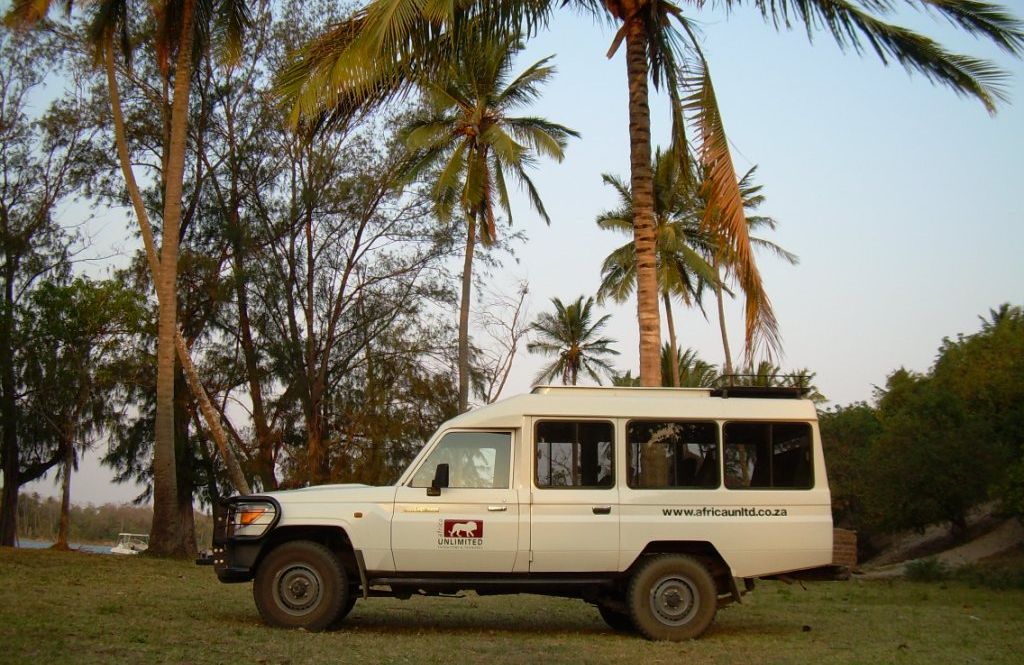
Africa Unlimited Tours
Africa Unlimited’s expeditions, safaris and tours are for travellers who want to experience true African bush, beach and wil...
Jumbo River Safaris
Willie started his business in 1995 on a small boat that could only accommodate six people. On a visit to the Victoria Falls, he e...
Njombo Community Project
The Njombo Community Project started off with 15 unemployed women that do sewing and embroidery. They received training in se...
Afrikania Pottery
Afrikania is a pottery business based in Phalaborwa. The products they make are unique to the area as they only make use of herita...
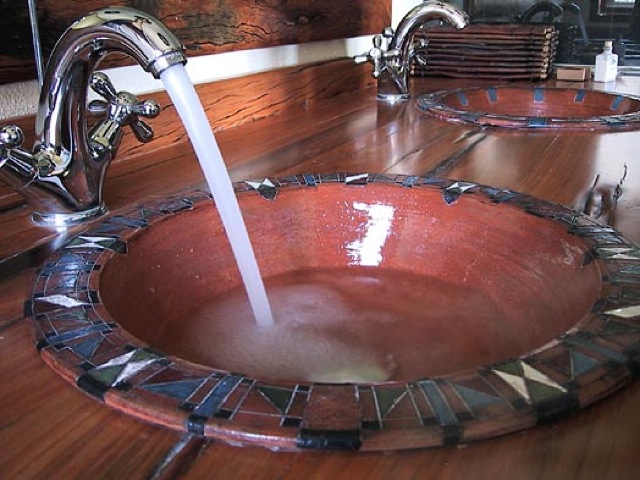
Afrikania Pottery
Afrikania is a pottery business based in Phalaborwa. The products they make are unique to the area as they only make use of herita...
Njombo Community Project
The Njombo Community Project started off with fifteen unemployed women that do sewing and embroidery. They received training in se...
No results found.
Palabora Foundation
The Palabora Foundation was established in 1986 and has been operating in local communities since then. The Foundation is the sust...
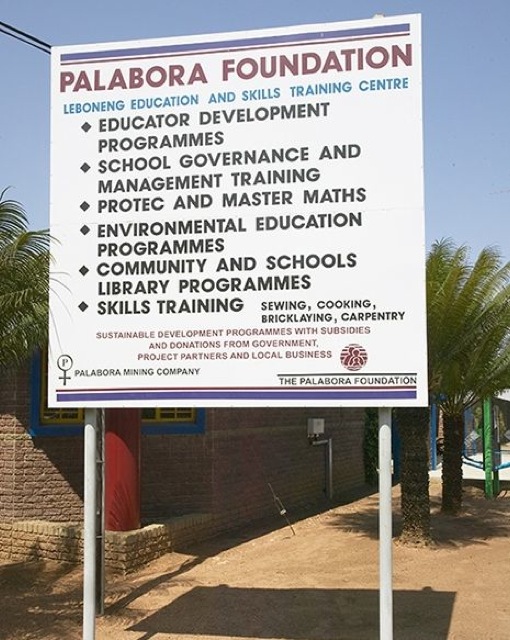
Palabora Foundation
The Palabora Foundation was established in 1986 and has been operating in local communities since then. The foundation is the sust...
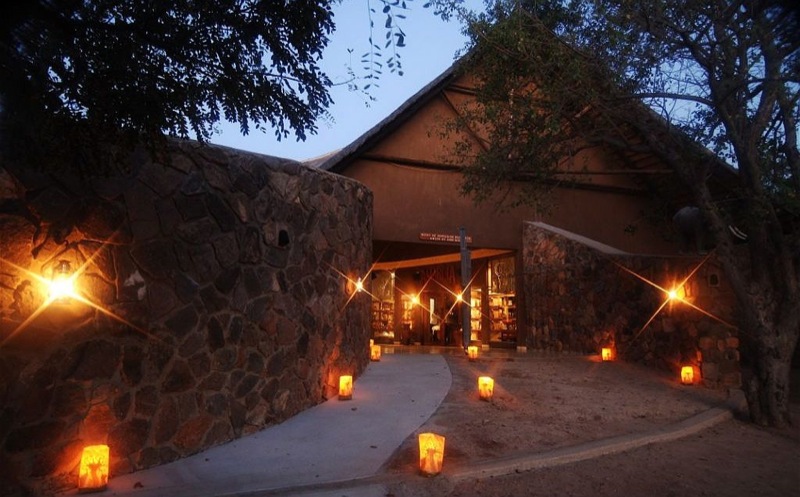
Amarula Lapa
The Amarula Lapa is situated approximately 10km outside Phalaborwa in Limpopo Province and is on the same premises as the Amarula ...
Amarula Lapa
The Amarula Lapa is situated approximately 10km outside Phalaborwa in Limpopo Province and is on the same premises as the Amarula ...
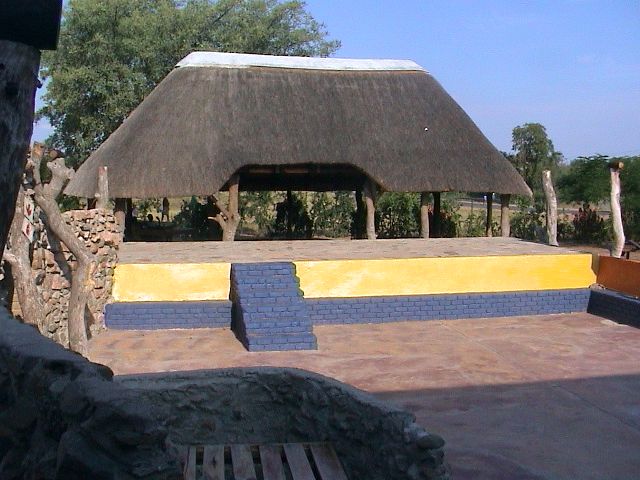
Leka Gape Shelter
As a non-profit organisation, Leka Gape mostly cares about socially disadvantaged people in one of the poorest regions of South Af...
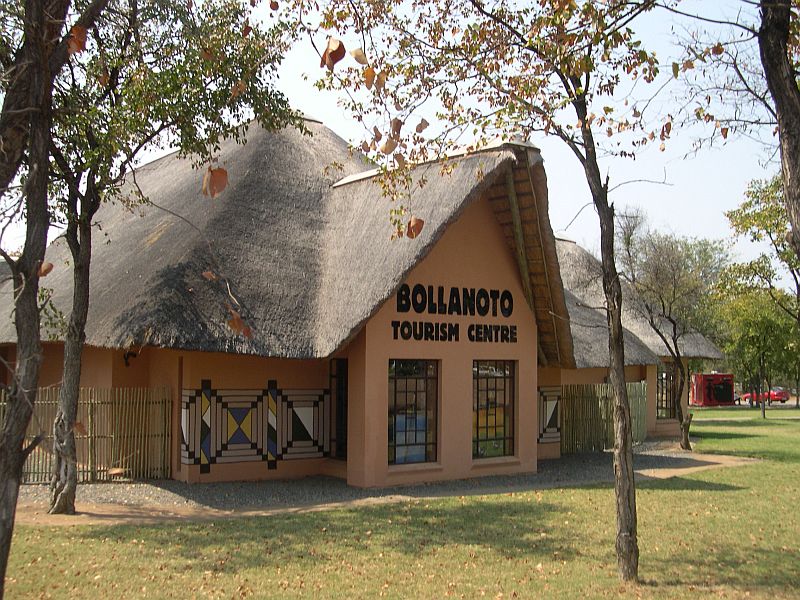
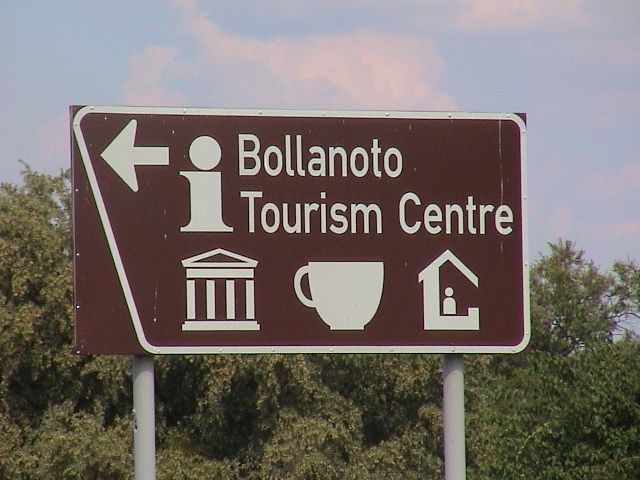
Bollanoto Tourism Centre
This centre is able to provide tourists with information on a range of activities in and around Phalaborwa.
Namakgale Tourism Information Centre and Tour Operator cc
Namakgale Tourism Information Centre and Tour Operators came into being after Clive was inspired by the African Dream Project&rsqu...
Sure Turn Key Travel
Sure Turn Key Travel offers the following services: Airline reservations; Accommodation; Car hire; Tours; Destinations; Travel in...
Bollanoto Tourism Centre
This centre is able to provide tourists with information on a range of activities in and around Phalaborwa.
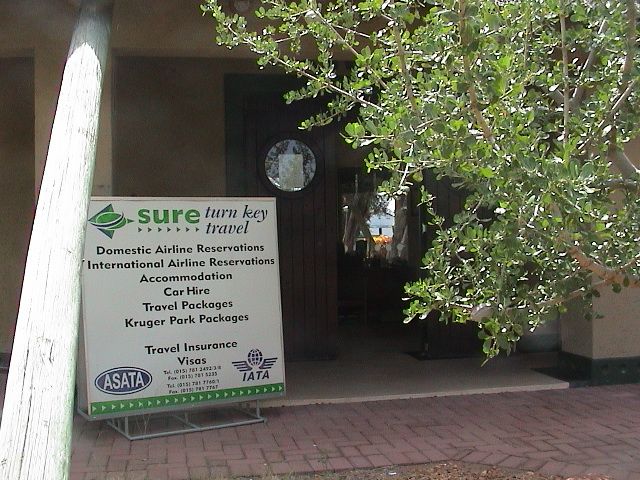
Sure Turn Key Travel
Sure Turn Key Travel offers the following services: Airline reservations; Accommodation; Car hire; Tours; Destinations; Tr...
Namakgale Tourism Information Centre and Tour Operator
Namakgale Tourism Information Centre and Tour Operators came into being after Clive was inspired by the African Dream Project&rsqu...
Leka Gape Shelter
As a non-profit organisation, Leka Gape mostly cares about socially disadvantaged people in one of the poorest regions of South Af...
No results found.
For more information about this route, fill out the form below.
Open Africa Routes
A route is a cluster of travel attractions, accommodation, tour operators, local artisans, guides and restaurants. It brings people together from all levels of community to promote travel to their area. You select what interests you on a route and create your own itinerary.
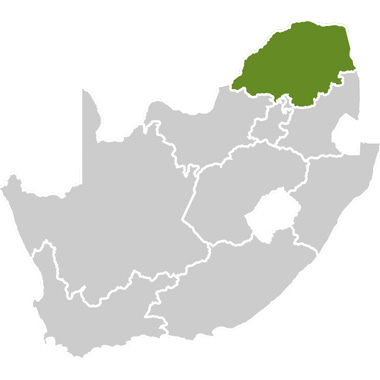
South Africa - Limpopo