


Login | Register

Open Africa
  • Home
  • About
  • Sponsors
  • Contact
  • FAQ
  • Link to Us
line

South Africa » Land of Legend Route

Download GPS Coordinates (KML file) (what is this?)

Land of Legend Route

The Zoutpansberg Mountain Range:

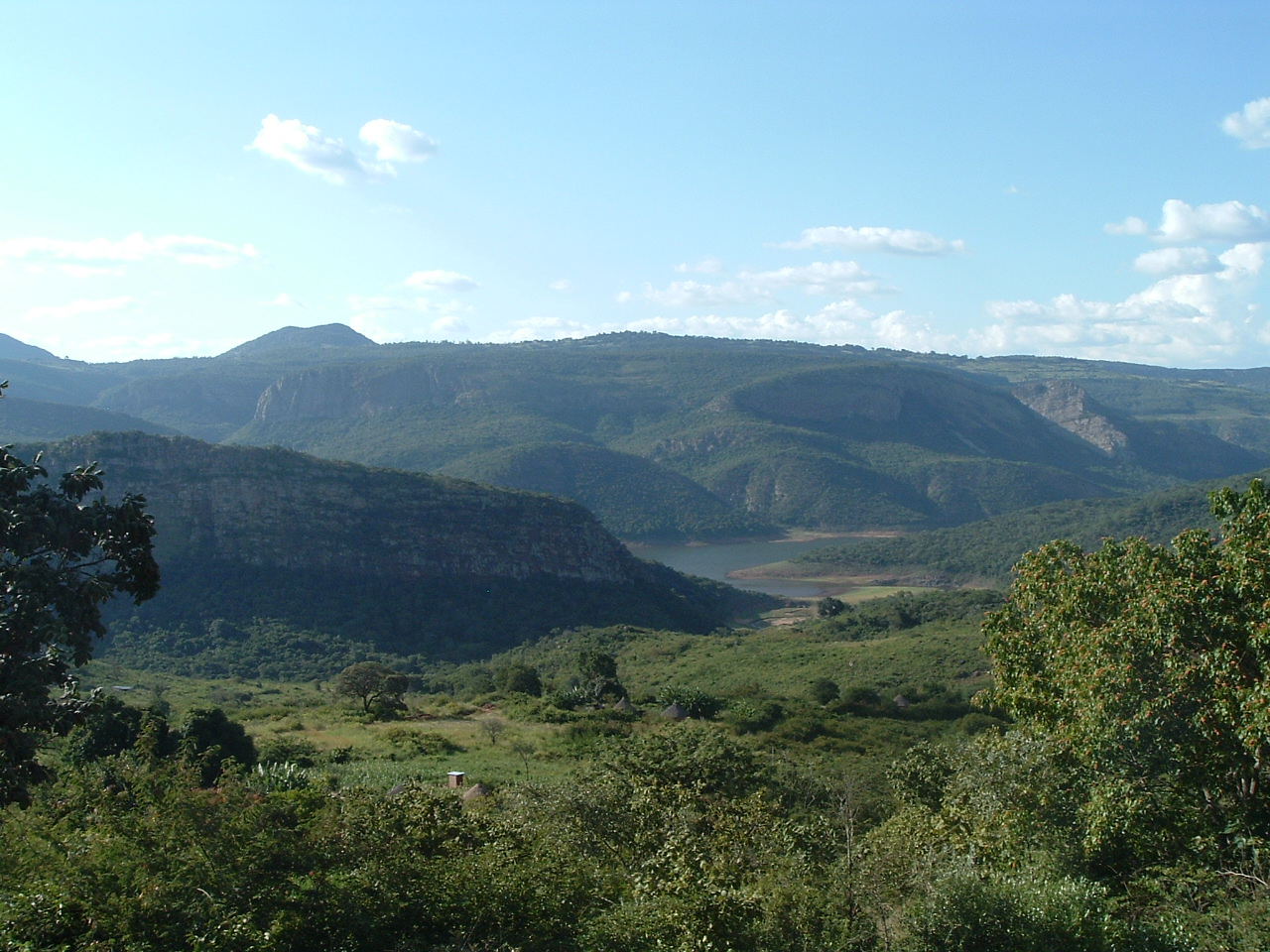
The Zoutpansberg is South Africa’s northern-most mountain range. Its name was taken from the salt pans that lie at its base near the western end. The salt pans have provided communities with salt from prehistoric times to the present.

The mountains stretch from east to west for about 130km and the range varies in width from 18-32km. The peaks of the range reach more than 1 500m above sea level, with Hangklip at 2 550m and Lejuma at 1 753m above sea level.  The rainfall on the mountain can be up to 2 000mm a year in certain places and therefore supports a wide range of crops and cultivated lands.

In terms of biodiversity assets, the Zoutpansberg is unique. There are over 500 tree species, with 50 of these species being endemic either to the Zoutpansperg range or the Limpopo River Valley. It is also a birder’s paradise, with 467 species, and host to a variety of mammal, reptile and amphibian species, as well as the striking Swanepoel’s widow butterfly – endemic to the region.

The mountains host many nature reserves and offer travellers a range of game farms and accommodation facilities. Activities like hunting and 4x4 driving are also available for the adventurous, as well as opportunities for climbers and hikers to explore the mountains.

The temperature of the region averages 30?C in the summer and a moderate 20-25ºC in the winter.

Please note: It is important for visitors to take note that malaria occurs in some parts and they should take the necessary precautions.

Source: Limpopo Tourism and Parks Board.
Visit  htttp://www.golimpopo.com  for more information.

Travelling on this route offers a chance to explore high mountains, graceful valleys, clear waters and beautiful indigenous forests. Deep in the forests lie many hidden secrets, and mysteries, with the trickling waters and the thundering sounds of waterfalls, legends speak of sacred guardians of hidden lakes and ancient burial places. It also offers a different kind of city experience with a cultural vibe to it and a wide range of accommodation, from cultural to camping, to upmarket lodges and hotels. The natural setting provides stretches of indigenous bush, with features like the baobab tree, amazing wildlife and a diversity of bird species.

Bird Species:

In this part of the Northern province birders can look out for a great variety of species. They include purple-crested loeries and the Kori bustard. The Kori bustard is interesting, since it is Africa’s heaviest flying bird and can weigh up to 19kg. It is a land bird, has a long neck and long feet, ended by three fingers with light brown or grey plumage. Its chin, throat and neck are creamy with white mixed with black bands. Its head has black stripes and its underparts are buff coloured, with dark brown vermiculations. Its tail has wide bands of grayish brown and white and its flight feathers are similar, while its shoulder area has a chequered black-and-white pattern.

To read more about the Kori Bustard and other birds of the area, visit the Soutpansberg Birding Route, www.limpopobirding.com

Travelling Tips:

This region has an average temperature that ranges from 19.7-30.4°C in summer and from 10.5-24.2°C in winter. The humidity is quite high, averaging 40%. It is best to dress comfortably in Venda, especially if planning to explore its mysteries. And even though the temperatures are generally high, it is important to take warmer clothes as back-up.

Please respect the religion and beliefs of the culture at all times and do not enter sacred sites without following the guidelines laid out by the community. Where permission is needed, make use of one of the guides listed under the participants, as this will make for easier access.

It is advisable to drive a 4x4 on this route, especially when visiting attractions.

Thohoyandou is about 574km from Johannesburg and can be reached by bus, or by plane. The nearest airports are located in Polokwane (Pietersburg), Phalaborwa and Hoedspruit. It is quite easy to reach Thohoyandou from Johannesburg’s Airport, following the N1 North through Polokwane (Pietersburg) until reaching Louis Trichardt (Makhado). From here, travel East to Thohoyandou on the R524, a beautiful winding road that stretches past plantations and forests. The other option is to drive through Louis Trichardt and take the R523 East, which also leads to Thohoyandou and passes D’zata Ruins.

Distances:

Johannesburg to Thohoyandou: 574km
Polokwane to Thohoyandou: 207km
Louis Trichardt to Thohoyandou: 64km

Once in Thohoyandou, the route offers many venturing options to the different interest sites and follows the legends.

Please take note that visitors should not swim or bathe in rivers and dams in the lowland areas, since the area carries a bilharzia risk. Visitors should also be aware that this is a lower-risk malaria area so they should consult their doctor for malaria prophylaxis before visiting the area.

Cultures of the area include the Shangaan/Tsonga and the Vhavenda-speaking groups, but traces of many other influences are also visible, from the Boers to the German missionaries and even the English. It is safe to say that the predominant cultures are collaboratively from the 'people of the north', who migrated from northern African countries into Southern Africa.
In Venda, the VhaVenda’s history tells of this journey through ruins and legends.

The History of the VhaVenda:

The VhaVenda came from the Great Lakes of Central Africa. They first settled in the Zoutpansberg Mountains where they built their original capital, D’zata. The ruins of D’zata are still visible today.

Dimbanyaka was said to be the first VhaVenda chief to have settled in the area known as the Nzhelele valley over eight centuries ago. They called the place Dzata ('a good place') because Chief Dimbanyaka went for a walk with his dog one day, and went into a cave in the surrounding Soutpansberg. Unfortunately, the rocks caved in and Dimbanyaka was trapped inside the cave. His dog, which was still outside, apparently went to fetch Dimbanyaka’s son and heir, Thohoyandou, at their village. When Thohoyandou reached the cave, his father was still alive. He could not free his father and they had a conversation through the rocks. Dimbanyika made Thohoyandou promise that he would unify the different clans in the area and build a great nation. Thohoyandou kept his promise and is known as one of the greatest VhaVenda leaders of all times. Thohoyandou, ('head of the elephant'), refers to the strength of a leader.

Elephants have been used in African mythology as a symbol of strength, leadership and greatness. This symbolism is still prevalent today, as important people are greeted with 'nda ndou', meaning  'good day elephant'. What is also interesting is that no subsequent leader was ever called Thohoyandou. The next chief in the VhaVenda nation was a Mphephu, a name that is still carried forward today.

Mphephu:

The current Mphephu sacred village is situated in the vicinity of Hangklip. This site is forbidden to those who are not Venda and is looked after by VhaVenda women. It is sacred as it is the burial place of the VhaVhenda chiefs and all the previous Mphephus. The burial also has a myth connected to it.

The Myth:

The VhaVenda are known to re-bury their chiefs. Apparently one of their chiefs once swallowed a small white rock, and soon a ritual was born where, after a chief passed away, his body was placed on a wooden stack or elevation until it completely decomposed. The white rock then falls out of the body and the new chief swallows this rock.

The reason for this ritual seems to be linked to the sacred Lake Fundudzi. According to legend, a white crocodile used to live in the lake. Crocodiles are known for their strength and they swallow rocks to assist the digestion of their food. Apparently one of the VhaVenda chiefs translated the white crocodile (which could have been an albino crocodile) and the swallowing of small rocks into the swallowing of a small white rock by the chiefs – possibly to give them the strength of a crocodile.

Since women cannot become a chief, they guard the bodies so as to ensure that the rightful chief swallows the rock.

D’zata Ruins:

The D’zata Ruins are traces of the original settlement of the VhaVenda in the Nzhelele Valley. The settlement was built around 1700 AD and was the capital of the Venda empire. D’zata ('a good place') was occupied for about 60 years.

There are two sites, namely D’zata 1 and D’zata 2. D’zata 1 is currently being investigated by scientists and remains in its original state. D’zata 2 was built with hard blue rocks, which are not found in the area. According to speculation, these rocks could have been carried on the heads of slaves, coming all the way from Central and North Africa. It was reconstructed by archaeologists, and even though some of the original walls are still standing, significant changes were made to the site.

The D’zata Museum has been erected near the ruins and provides more information on the history of the people who once lived there.

According to the museum’s information, the capital was surrounded by a huge strong stone wall to prevent enemies from entering. The river Gadabi flowed through the centre, which washed Mutshedzi clean. This river was essential for the supply of water in case of a siege. The same river still supplies water to the newly established settlements.

The museum also explains how this flourishing capital came to an end. The story goes that after the disappearance of Thohoyandou the inhabitants of D’zata were terrified. They attempted to install a successor, Tshisevhe, but his reign was short-lived and foiled by calamities. The diviner Nedambale was called in to bring life to the capital, but instead advised them to evacuate it. After a fierce storm hit the capital, people fled and left the place in ruins.
Sources: http://thulamela.limpopo.gov.za/introduction/history.htm
And Know Limpopo, Limpopo Tourism and Parks Booklet.

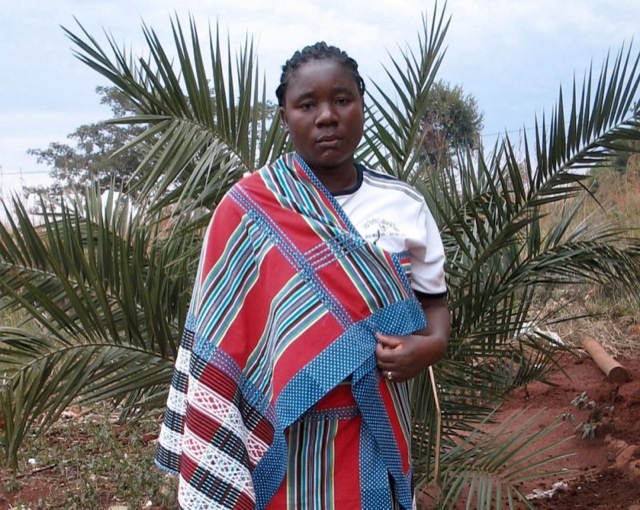
Venda was a designated homeland under the apartheid system and the people were fairly unaffected by political and social changes by comparison with their impact on the rest of the country. The Venda population, about a million, lived their lives the way they had been living for hundreds of years in the lush, mountainous and remote region. As a result their culture, language, arts and crafts have stayed mostly intact and are still very much a part of the people’s everyday lives.

The Venda have an interesting mix of other cultures, incorporating characteristics from east African, central African, Nguni and Sotho groups. For example, the Venda forbid the consumption of pork, which is common practice on the east African coast. They also practice circumcision, which is also carried out in the Sotho culture, but not in the Nguni culture. The true Venda, however, can apparently be divided into two groups, namely the western group and an eastern group.  The eastern group regard themselves as descendants of Lwamonde, Rambuda, Tshivashe and Mphapuli. The Venda culture is interwoven with numerous legends, many of which are still believed today. Another distinct group of the area, who later joined Venda, are the African Semites, the Lemba.

Singo:

The legend of the Singo king was that he could protect his people from attack by their enemies by beating a special drum, called the Ngoma Lungundo ('drum of the dead'). The sound of this drum would strike fear into the hearts of enemies and make them flee.

Lemba:

This group is believed to have descended from Semitic (Arab) traders who entered Africa around 696AD. The Lemba believe themselves to be Black Jews, descendants of the lost tribe of Israel. They mostly keep to themselves and only marry within their own group. They also sometimes refer to themselves as Vhalungu ('respected foreigner').

Their contribution to the culture of the area came especially through the beads they brought with them from far-off countries, which are still treasured today and used in divination and other magical ceremonies. They were also good traders and artisans and famous for their metalwork and pottery.

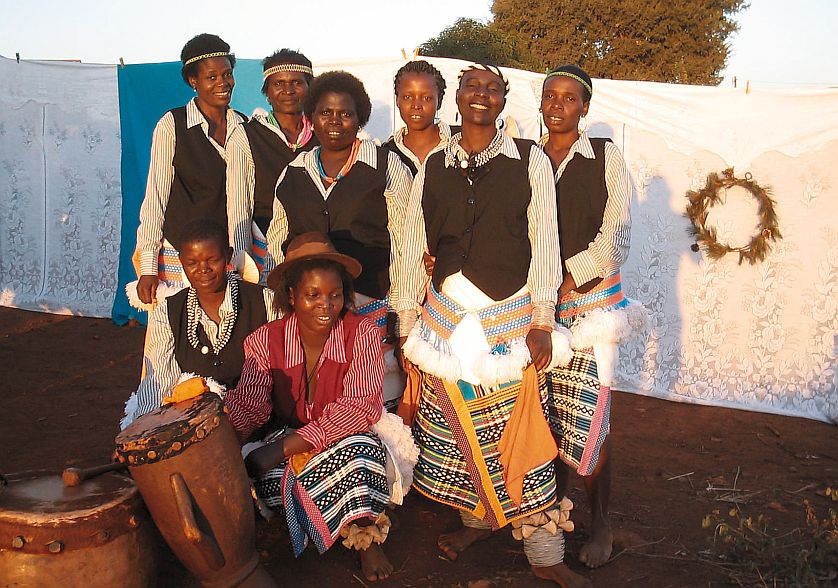
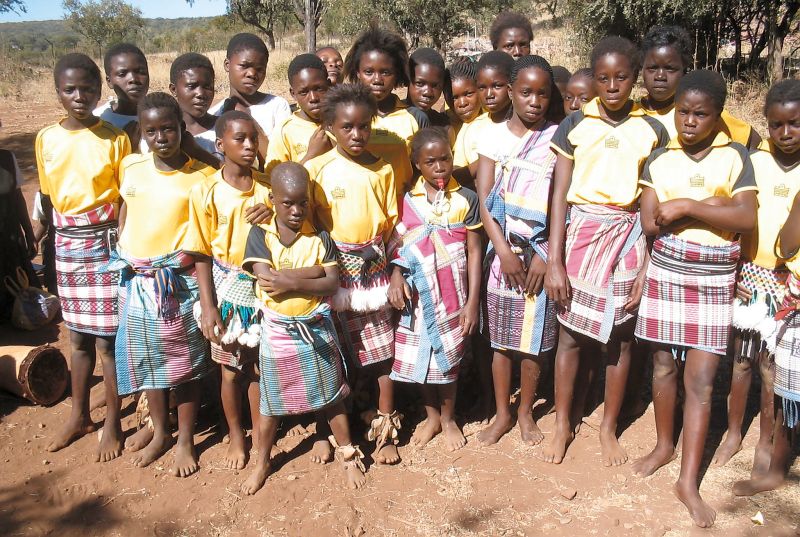
The region’s past and its people are therefore an intricate part of the land’s vibrant cultural ambience, which becomes an experience through their expression in dance. Dances like tshikona, the malende and the domba are the most well known of these. The domba ('python dance') is especially striking and imitates the movement of a python. Venda girls perform this dance at their initiation ceremony, moving in rhythm to a powerful beating domba drum and with their hands clasping the forearms of the girls ahead.

Tshikona dance:

The Tshikona is a male dance. For this dance, each player has a pipe made of a specific indigenous type of bamboo that grows sparsely around Sibasa and Thohoyandou. Each player has a note to play, which, when they all play together, should create a melody. Dancers then move in a circle, jumping up and down. This dance is of royal nature and each chief or sovereign has his own tshikona band that performs at various occasions, from funerals and weddings to religious ceremonies. This dance could be described as the 'national dance' or 'music' of Venda.

Malende Dance:

The Malende dance is used for entertainment purposes, where people gather to enjoy drinking beer and relaxing. Two women and two men wearing traditional Venda attire dance while the rest of the group sings and claps hands. The songs vary in style and theme, and are sometimes meant to generate fun or moralise. Songs could also mock those who made a habit of asking for handouts from their neighbours, like asking for salt, sugar or mealie meal.

Domba Dance:

The Domba dance is a ritual for pre-marital initiation. The chief or sovereign will 'call' a domba, upon which families start to prepare their girls for the ceremony. Traditionally the girls used to stay with the chief throughout the initiation process, which could be from three months to three years, but since girls have to attend school under today’s circumstances, they only have to spend weekends at the chief’s kraal (the area where the chief’s houses are built).

This is the final ritual before a girl becomes a woman or a boy becomes a man, and is reached after separate initiations dedicated to gender are completed. These include Vusha and Tshikanda for girls and Murundu for the boys (where circumcision also takes place, a rite that was introduced by the North Sotho). These ceremonies are performed separately, since missionaries decided that mixing males and females in the same ceremony was immoral.

The Domba is only attended by girls and has two functions – to teach girls how to prepare themselves to become wives and to bring fertility to the new generation of the tribe.

The Domba Drum:

The Domba drum is an extremely valuable possession, which is intricately carved from wood with cattle hide stretched across the opening. This craft has been kept alive throughout the years and in Mutale there is an open-air workshop where they can watch the drum take shape.

Vhembe District:

The culture of the Vhembe district is inextricably linked to its natural surroundings. Visitors who are interested in the mysteries of this Land of Legend should visit Lake Fundudzi in the Mutale River. This lake is considered sacred and it is believed that the lake is all that is left of the water that covered the earth before the Creation. In actual fact, this lake is said to be the only true natural inland lake in South Africa and scientists believe that it was formed by a landslide that ended up blocking the course of a river, which is a rare way for a lake to form. This lake is special in more than one way and it is not surprising that the Venda hold it sacred. To read more about the legends surrounding this lake and why it is sacred.

Lake Fundudzi:

Lake Fundudzi is regarded as a place for the spirit world. According to guides from the area, the river that runs into this lake does not mix with the water, but rather skids over the top. It disappears into the mountain and comes out the other side, without emptying the lake.

Below the surface of the lake, lives a great white python and a white crocodile (also see the Myth under the History of the VhaVenda). The python is the god of fertility in Venda culture. According to legend, a VhaVhenda man had a broken heart because of the loss of a great love. In his sorrow he walked into Lake Fundudzi and turned into a python. The Domba-python dance is still done by virgin Venda girls in order to honour the python god of fertility.
Virgin maidens were also once offered to the white crocodile that lives beneath the lake.

Water spirits, called Zwidutwane, live in the lake and the VhaVhenda people often leave offerings of food, pottery and beer to the spirits in order to gain protection for crossing the river safely. Another legend tells that each year a virgin was sent to the lake to pour some millet beer on the water. If it sank, it was accepted and there would be a good harvest. But if it floated, the maiden had t be hauled out fast or the water guardians (spirits) would eat her.

The lake may only be visited after obtaining special permission from the chief and the priestess of the lake. It can also clearly be seen from the road winding up through the surrounding hills. Those who look at the river for the first time, must bend down and view it through their legs and spit on the ground.

There are more legends, but visitors will have to find out for themselves by visiting if they would like to hear more.

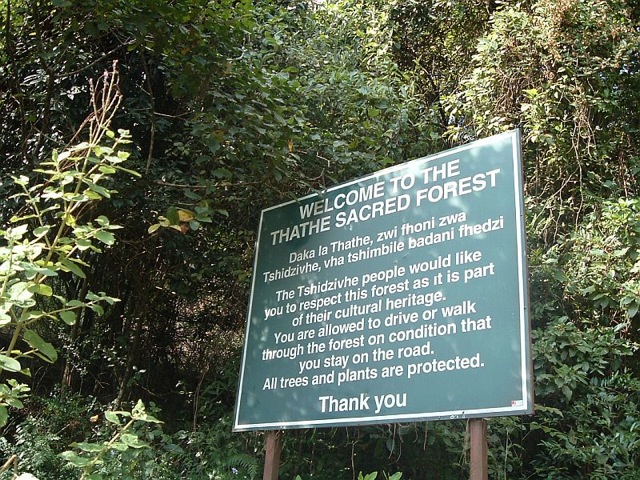
There is a beautiful view of Lake Fundudzi from the hills just outside Thohoyandou and Sibasa. It is also here where the Thathe Vondo Forest is located. Within this forest lies the Sacred Forest, with giant hardwoods, tree ferns, lianas and creepers. But visitors may only enter the forest if they agree to stay on the path. Even common VhaVhenda folk are forbidden in the forest, as it is where the chiefs of the Thathe clan lay buried. There are also many mysteries and legends surrounding this sacred place.

It is best to visit this forest with a guide, as they can tell the stories and legends in detail and with enthusiasm, making the experience more memorable. From the Thathe Vondo Forest, there is also a beautiful view of the Thathe Vondo Dam and perhaps the perfect place to take a moment to absorb all the mystery and intrigue. The forest encompasses the Thathe Vondo Tea Estates, Mahovhovho Falls and Mukumbani Dam.

Legends of the Sacred Forest (Thathe Vondo):

The sacred forest is the burial place of the Thathe clan’s chiefs and includes the great chief, Nethathe. The forest is guarded by two mythical creatures, a white lion (which is said to be chief Nethathe himself) and a bird of lightning, known as Ndadzi. Ndadzi flies during storms, with wings of thunder and eyes that flash lighting and a beak which carries rain. It is believed that this lightning bird drops eggs of fire that can burn trees to the ground.

A story of true love:

A beautiful young princess and her admirer, a brave hunter, were madly in love. But they had no future as she was promised to a son of her father’s lifelong friend and neighbouring king. The lovers were thus kept apart by the king’s guards as the king could not go back on his promise. To make matters worse, the prince whom she was promised to was well known for his cruelty and brutality.

On the morning of the wedding ceremony, a big celebration was held to honour the princess. When the masked dancers appeared before the king, the princess recognised her lover and realised that this would be her last chance to escape. She only needed a moment of darkness and confusion to succeed in her bid. The moon, well known for her romantic inclination, cast her shadow over the face of the sun, timing it just long enough for the young princess to take off her cloak and disappear into the crowd and hide behind the mask of her loved one. Up to today it is believed that when a solar eclipse takes place in Africa, all you have to do is close your eyes and wish for true love and this wish will come true.

Phipidi Waterfall:

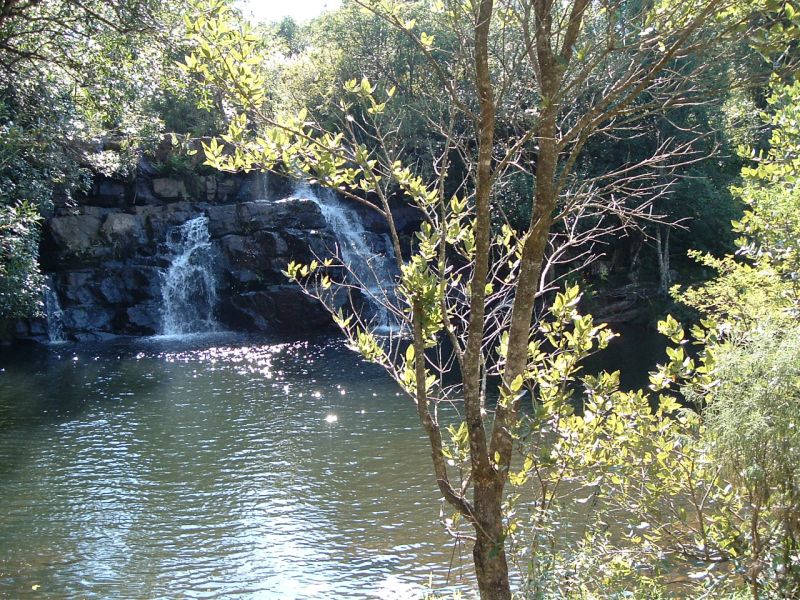
The Phiphidi Waterfall is inhabited by the zidutwane ('water spirits'). These spirits can trap their own meat, but are not able to grow grain under water. Therefore, beer and grain offerings are left on a sacred stone near the top of the falls, to foster good relations with the ancestral spirits.

Attractions in the area:

  • Big Tree: The largest baobab in the country, more than 3 000 years old with a girth of 43m is found near the Sagole Spa;
  • D’zata Ruins and Museum of the Drum: The ruins of the royal kraal of the Vha-Venda kings, dating back to 1400AD;
  • Tshimbubfe:  An archaeological site with iron furnaces that date back to 1250 AD. Organise visits through guides;
  • Thulamela:  A site in the Kruger National Park with evidence that gold was already being smelted here in 1300 AD;
  • Thathe Vondo Forest:  A beautiful forest that includes the Thathe Vondo Tea Estates, The Sacred Forest, Mahovhovho Falls, Mukumbani Dam and Lake Fundudzi;
  • Makuya Park:  Adjacent to the Kruger National Park between the Mutale and Levubu Rivers near Tshikondeni Coal Mine – east of Masisi;
  • Nwanedi National Park:  This park is situated in the foothills of the Soutpanserg. The Nwanedi and Luphephe Rivers meet here. It also has beautiful views of the large Nwanedi Dam. The park is about 11 170ha in extent and is stocked with game, located about 75km north of Thohoyandou;
  • Tshatshingo Potholes:  These natural potholes can be viewed at Khube Village; and
  • Mphaphuli Cycad Reserve:  This beautiful reserve is filled with picnic sites and waterfalls and is located east of Thohoyandou. It contains fascinating cycad species.


Useful Links

www.golimpopo.co.za

www.vhembe.gov.za

Nearby routes

Hlanganani Route

The Hlanganani route is situated in the northernmost part of South Africa, in Limpopo (previously known as Northern Province), on the north-west border of one of Africa’s finest parks, the Kruger National Park.

Kamoka Route

The region in which this route is located is known as the Cultural Heartland, which is one of the seven registered tourism regions of Mpumalanga province. The general route area is located about 100km north-east of Pretoria, South Africa’s capital city situated in Gauteng, which is the smallest but richest province in the country.

Kruger to Canyons Route

Located in the Kruger to Canyon Biosphere, this route includes the towns of Graskop, Hoedspruit and Phalaborwa. It aims to contribute to the conservation of the biosphere.

Ribolla Open Africa Route

The route, named after the uniquely shaped mountain in the Makhado District, showcases the artistic talents of many of its inhabitants, as well as dancers, storytellers, gardeners and singers.

Rixile Culture to Kruger Route

The route, situated in the Limpopo province of South Africa, meanders between the small town of Giyani and Phalaborwa, the only town with a gate into the Kruger National Park.

Route of Lost Kingdoms

Follow a trail of myths and legends from the ancient stone wall site of Thulamela to the Mapungubwe World Heritage site in Limpopo Province.

Seraki Blouberg Route

This route lies at the foothills of the Blouberg Mountain in Limpopo and offers an experience that can only be found in Africa. A range of projects with authentic arts and crafts, as well as accommodation in a pristine setting can be found. Vistors can go on adventurous hikes, see cultural and natural heritage and interact with 'real' people.

Comments and Reviews

Add a comment

See all comments about this route

Accommodation

Acasia Park | casia Park offers accommodation and camping facilities.
Bougainvilla Lodge | Established in 1994 and RCI affiliated, Bougainvilla Lodge has proven itself as an overnight accommodation establishment that grows with time.
Changes | An establishment with a lapa, bar and conference facilities.
Copacopa Luxury Lodge and Conference Centre | This lodge is situated on a piece of farm land and offers comfortable accommodation in beautiful surroundings.
For a Change Hotel | This hotel offers fifty air-conditioned double bedrooms with en-suite bathrooms and five self-catering units all with DSTV.
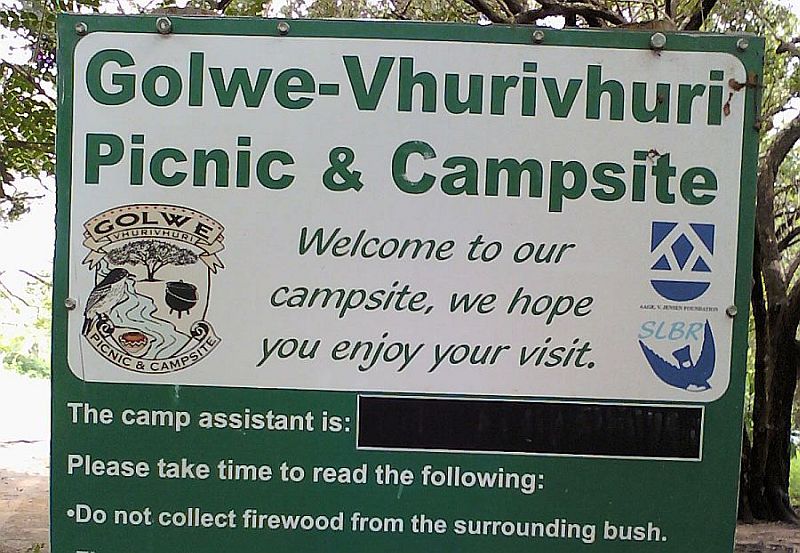
Golwe Eco-Tourism Co-operative | Golwe Picnic and Campsite is situated under large shady trees in a secluded valley.
Mbere Accommodation Centre | A facility that offers accommodation in Thohoyandou with a conference hall and picnic site.
Mphephu Resort | Mphhephu Resort offers twin-bedded chalets, all en-suite and built out of stone.
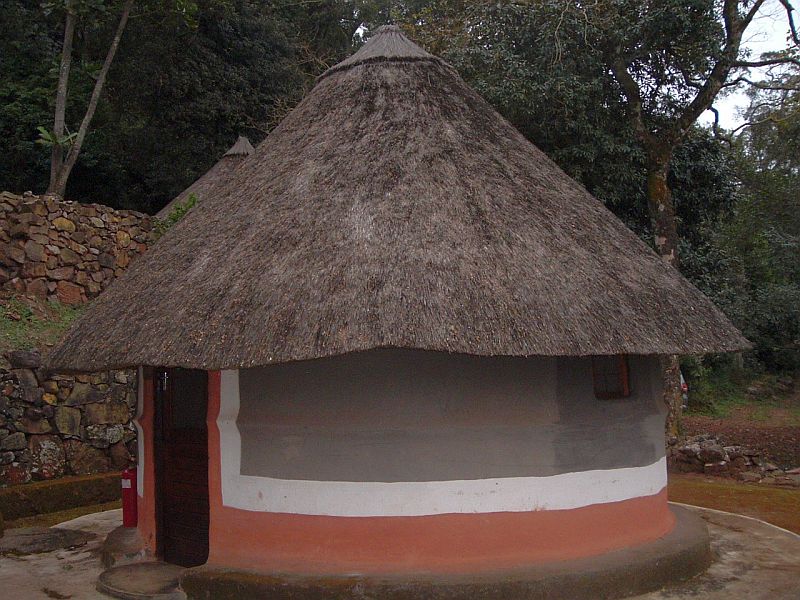
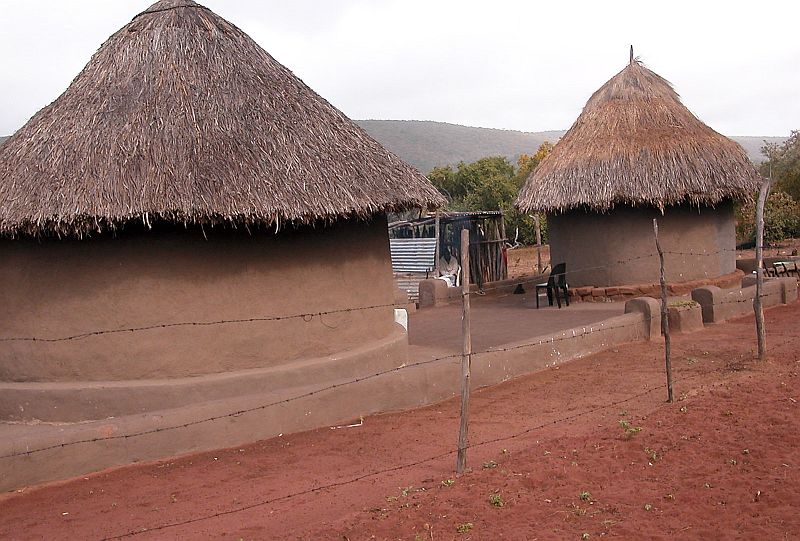
Muanalo Cultural Village | Here visitors can overnight in traditional huts.
Muofhe Graceland Lodge | This lodge-style accommodation is a new establishment, with the final touches still being done.
Nandoni Game Park, Resort and Golf Estate | Nandoni offers plenty of activities and facilities to entertain visitors and the project aims to expand.
Pafuri Youth Cultural Village | This cultural village offers accommodation, traditional activities a restaurant and campsite, as well as a bar.
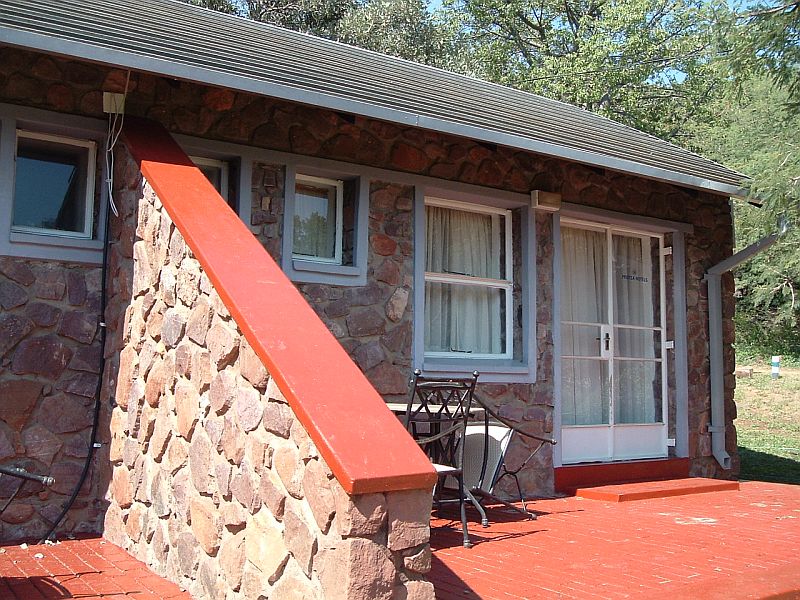
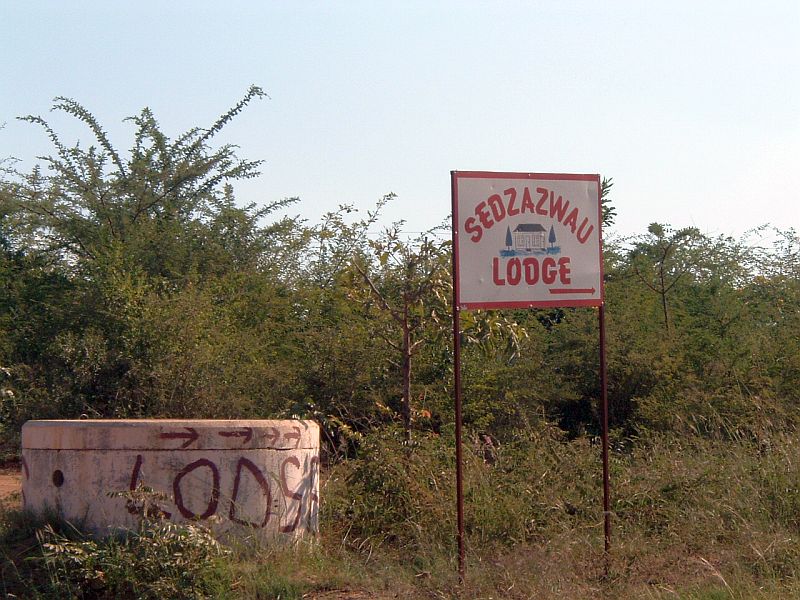
Sedzazwau Lodge | Sedzazwau Lodge offers private accommodation in beautiful face-brick chalets.
The Fig Tree Lodge | The Fig Tree Lodge offers overnight accommodation and conference facilities.
Tshivhase/Fundudzi Tourism Camp (Part of the African Ivory Route) | This camp offers traditional, cultural huts for accommodation.
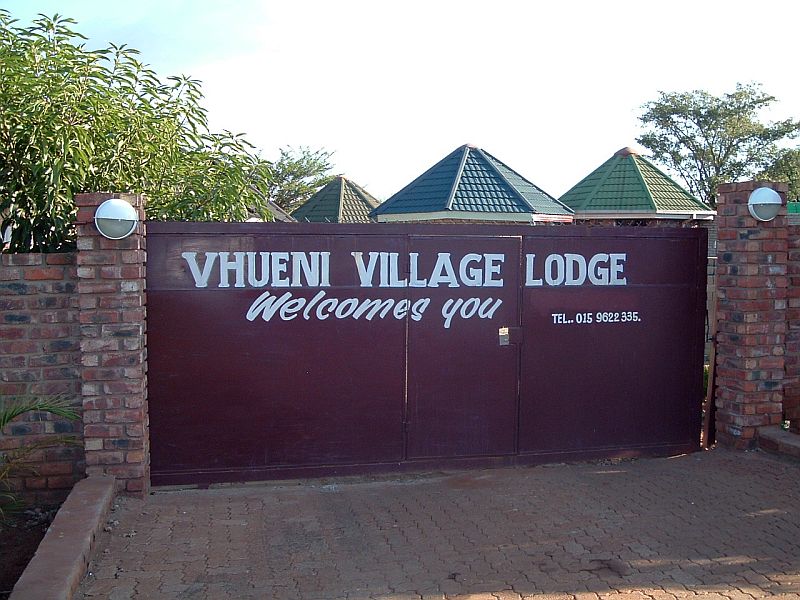
Vhueni Village Lodge | The lodge offers 23 rondavels that are detached from one another.
Vhuimo Tourism Business Prospects and Guiding | This business can supply accommodation in the form of cultural huts, along with a traditional kitchen.

Activity and Adventure

Mukumbani Waterfall | This beautiful waterfall is situated near the Mukumbani Dam and near a sacred forest.

Arts & Crafts

Budo Cultural Clothing | Budo Cultural Clothing offers traditional clothing designed and made by Judith Mudau.
Dima's Tours Arts and Crafts | The Arts and Culture Centre hosts a variety of local visual arts and crafts.
Karel Ngigideni Primary Cultural Group | A group of school children that perform a variety of traditional dances.
Khavambe Primary Cultural Group | This cultural group can perform a range of traditional dances.
Tshidzini Diimiseni Cultural Group | A group that performs traditional dances.

Tourism and Environment

Great North Cultural Tours | Great North Cultural Tours specialize in tours relating to the people and cultures of the north.
Limpopo Tourism and Parks | This tourism information centre concentrates on marketing the Vhembe region and providing information.
Mc Vitt | This is a cultural village in the making, with a rich heritage of previous communities that lived on the mountain.
Muribani Tourism Centre Co-operative Ltd | This tourism centre offers a variety of activities and is currently being developed to accommodate visitors to its fullest potential.
Thukhutha Tourism and Botanical Gardens | This establishment is still being erected (June 2007), but will be situated in a beautiful setting, with an amazing view of Thohoyandou and Nandoni Dam.

Services

Golden Feet Tours | Golden Feet Tours is a tour operator that operates in the Limpopo province.

Full printable contact list

Contact

Do you have any queries about this route? Please contact us using the details below.

Beth Mashawana

  • Tel: +27 72 401 1832

Enquire about this route by using the contact form below:


Photos

See all photos

In the news

  • Country Life Article

Verbatim

Most people are adept at accumulating the wisdom of knowledge. Knowledge, they say, is power, but Africa’s wisdom is in what people do not know. It is the wisdom handed down through millions of years of survival, which translates into instinct and intuition.

– Noel de Villiers, Open Africa

Did You Know?

One of the caves on the Tsitsikamma coast has the oldest dated modern human remains yet found in the world. They are about 120 000 years old.

Contact


© Open Africa 2010. Disclaimer. Privacy Policy.
Designed and maintained by Flow Communications. Report a site problem.