

Login | Register

Open Africa
  • Home
  • About
  • Sponsors
  • Contact
  • FAQ
  • Link to Us
line

Namibia » Caprivi Wetlands Paradise Route

View in Google Earth

Caprivi Wetlands Paradise Route

History of the region:

Until the end of the 19th century the Caprivi region was known as Intenga and was under the rule of the Lozi kings. Later it formed part of the British Bechuanaland Protectorate (known as Botswana today). In 1890 Germany laid claim to the British-administered Island of Zanzibar, but the British objected. This was settled at the Berlin Conference in 1890 when Queen Victoria acquired Zanzibar and Germany acquired the territory that is now known as the Caprivi strip. The Caprivi strip was named after the German Chancellor General Count Georg Leo von Caprivi di Caprara di Montecuccoli.

Lake Liambezi also has a strange history. Less than 50 years ago there was no lake. In 1958 the Zambezi rose to the highest levels ever recorded. It flooded the entire eastern portion of the Caprivi, pouring into a broad depression located south of Katima Mulilo and thereby creating a lake now known as Lake Liambezi. Most of the time this lake is dry. An interesting theory as to why Lake Liambezi dried up after the floods of 1958 is that many hippo were poached. This apparently caused the channels (which had always been kept open by hippo) to close up, preventing water from flowing into the lake and so depriving the local population of a plentiful supply of fish. Even with the high floods in 2004 the lake received very little water.

The swap of land between Germany and England

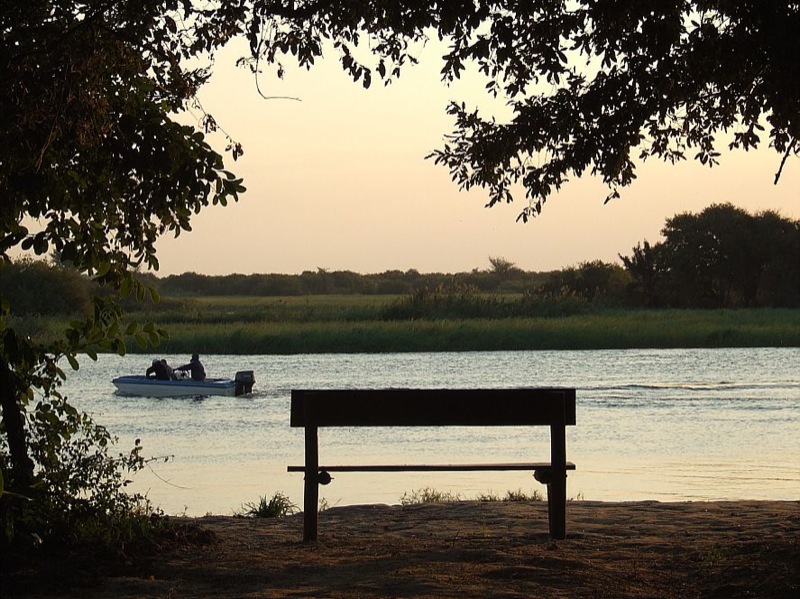
The reason behind the swap was to acquire a strip of land that would be added to German South West Africa, linking the Zambezi River, Lake Tanganyika and the Indian Ocean via another German colony, Tanzania (German East Africa). It seems that the Germans were oblivious to the fact that the Victoria Falls were downstream and their plan to use the mighty Zambezi to access the Indian Ocean was naturally out of the question. The capital of the Caprivi was at Schuckmansburg until around 1933, when it was moved to Katima Mulilo. It was then administered by South Africa from Pretoria and from 1981 to 1990 ruled by the
Administration for the Caprivians as part of South West Africa. Namibian gained its independence on March 21, 1990. In 1992 the Caprivi became one of the 13 political regions in Namibia with its own Regional Governor and six councillors. There are also traditional leaders. Each area is under the control of an induna (chief) and the indunas form the governing Traditional Council.

* Text supplied by Val Sparg, Kalizo Lodge

Statistics for the Caprivi

Demographics and Livelihoods:

The population for Caprivi was recorded as 80 000 in the 2001 population census carried out by the Central Bureau of Statistics. Most of this population lives a traditional, rural existence in villages located along the main roads. Agriculture is the most important livelihood activity and there is a strong reliance on the use of natural resources such as wood for fuel and building, grass for thatching, veld foods (including waterlily bulbs) and fish. The best soils for cultivation are found in the wetlands areas. Mahangu (millet), sorghum and maize are the main crops grown. Typical of Africa, wealth in rural areas is traditionally invested in cattle, which also have a strong social value. Cattle are also used as draught power to plough fields and cattle-drawn sleds are still used as a means of transport. Some cattle and maize are sold commercially. Katima Mulilo is the main town with Kongola, Bukalo, Linyanti and Ngoma being much smaller centres. Since Namibia’s independence, Caprivi has become relatively well supplied with clinics and schools. The literacy rate for people over 15 years is 78%. The fertility rate is fairly high at an average of 3.8 children per woman. Life expectancy at birth has dropped to 43 years for females and 41 years for males, no doubt as a result of the HIV/AIDs pandemic.

Ethnicity:

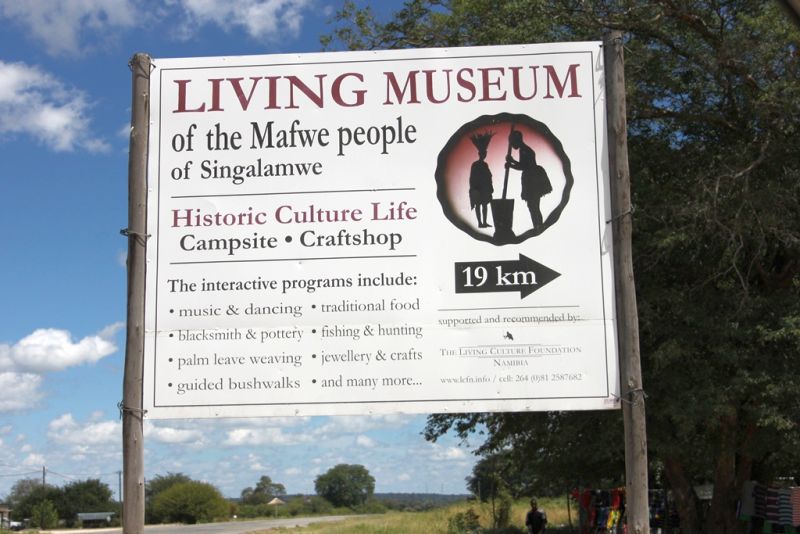
Owing to its linear shape, which gives Caprivi long international borders, the region has an interesting ethnic history, with ties to neighbouring Zambia, Botswana and Angola. The Mafwe and Subia are two main groups in East Caprivi, where Silozi (a Zambian language) is the lingua franca and only written indigenous language of the region. In the West Caprivi Game Park (to be re-proclaimed the Bwabwata National Park) there are 10 villages housing a majority population of Khwe San people, part of a much larger San (or Bushmen) population that extends from Botswana to Angola. The continued residence of so many indigenous people in a state protected area is an unusual feature in Southern Africa and a testament to the Namibian government’s commitment to co-management and benefit sharing. To meet this aim, the resident community has formed a legal body (the Kyaramacan Trust).

Natural Environment

Extracts from An Environmental Profile and Atlas of Caprivi by John Mendelsohn and Carole Roberts

Geology:

Thick deposits of Kalahari sands make up the geology of Caprivi. The only rock deposits are found in the Zambezi River and on Impalila Island. Topographically, Caprivi is flat with an elevation between 900 and 1 100m (2 950 and 3 600ft) above sea level.

Climate:

Caprivi is more tropical than the rest of Namibia, with a higher rainfall (average annual rainfall is between 550mm and 700mm) and warmer winters. Rainfall can be very variable and drought years are common. Most rain falls in summer, peaking in January and February. The hottest months are September, October and November, when there is little cloud cover and maximum temperatures are over 30°C. During the dry winter months, large populations of elephant and buffalo are known to congregate along the Kwando, Zambezi and Chobe river corridors, making this time of year good for game-viewing. Water flows in these rivers vary from year to year, depending on the rain falling in the catchments.

Soils and Vegetation:

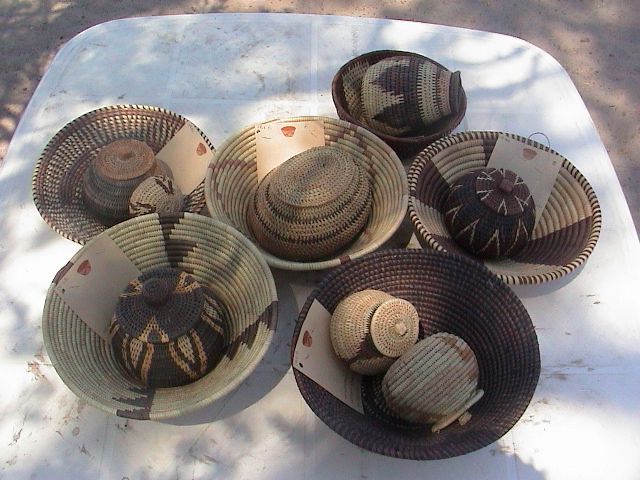
Vegetation in Caprivi is dependent on soils, flooding and fire. The Kalahari sands support trees commonly known as teak, kiaat, mangetti and false mopane. Camel thorns, leadwood and knob-thorns grow in light clay soils, while mopane trees are characteristic of the heavy clay soils. Wetland areas are dominated by grasslands and reeds. The lala palm tree provides material for weaving traditional baskets, which can be purchased in the various craft outlets.

Rivers:

Caprivi has two of the five permanently flowing rivers in Namibia (the Zambezi and the Kwando, which have their catchments in Zambia and Angola). In years of heavy rainfall, these rivers flood over an extensive area. In fact up to a third of Caprivi is floodplain. Two other rivers in Caprivi are often regarded as rivers in their own right – the Chobe and the Linyanti – but they are really extensions of the Zambezi and Kwando rivers respectively.

Infrastructure and Parks

Road Network:

The main road through Caprivi (B8) – the Trans-Caprivi Highway from Ngoma to Katima Mulilo and then westwards towards Rundu – is tarred and forms a major trade route between Namibia and other Southern African states. The other major road that links Kongola to Sangwali and Linyanti is gravel-surfaced and can be trying after heavy rainfall (December to April).

Telecommunications:

Cellphone (mobile/handy) coverage is limited to Katima Mulilo, Bukalo, Ngoma and Kongola. Divundu, on the western side of the Caprivi Game Park, also has mobile phone coverage. For internet facilities, try Tutwa Travel in Katima. Public telephones are scattered throughout the Caprivi and can be found at most rural settlements. It is advisable to always carry a Telecom phone card or 'flexi-card' as coin-operated phones are limited.

Game Reserves:

There are three state-protected game reserves in Caprivi’s Wetland Paradise (see map for location). They are the Mamili, Mudumu and Caprivi (with plans to be renamed the Bwabwata National Park) National Game Parks. Here, the limited road and infrastructural development adds a sense of adventure and wilderness. In the dry season (May to November), these parks are home to large herds of migratory buffalo and elephant. Attractions in the wet season (December to April) include bird-filled pans fringed by water lilies and inhabited by hippo. Look out for the water-loving antelope – lechwe, reedbuck and waterbuck – in the floodplains. You may even see roan and sable antelope or a glimpse of the rare, semi-aquatic sitatunga found in the dense papyrus reed beds.

The Caprivi Game Park is located in the 200km stretch from the Kavango River to the Kwando River. Nambwa and Bum Hill campsites are located along the Kwando River in this park and have set a precedent in Namibia by being the first conservancy-owned and -managed tourist facilities in state protected areas.

Mudumu and Mamili National Parks were proclaimed at Namibia’s independence in 1990 and are located south of Kongola. A Ministry of Environment and Tourism initiative called Support for Protected Area Network or Span is using funds from the Global Environment Facility to bring infrastructural development to all three parks.

Malaria:

It is very important when travelling in Caprivi to take medication to prevent you from getting this disease, which is transmitted by the nocturnal Anopheles mosquito. Speak to your pharmacist or doctor about the appropriate medicine. Always use mosquito repellent at night and sleep under a mosquito net.

Driving Tips: 4x4 Vehicles

The majority of Caprivi is accessible by 2x4 vehicle. This is the case until you turn off the main tar (B8) and secondary (C and D) gravel roads. Remember that the Caprivi is predominantly rural communal land and there are often cattle, goats and people on the roads, so take care while driving. Travel with great care on the gravel roads (maximum 80km/h) as these roads are often very sandy or slippery and one can suddenly lose control of the vehicle. There are many potholes under the loose sand which may cause your vehicle to swerve unexpectedly. Should this happen to you, do not brake, swerve or try to correct the vehicle. Hold the steering wheel tightly, release the accelerator and let the vehicle correct itself.

4x4 driving tips

Thick Sand Driving:

Most of the bush roads have 4x4 sections. An example of very thick, deep sandy conditions is the access road to Nambwa Community Campsite and the 'Horseshoe' located in the Caprivi Game Park. This section of road is about 8km to 10km long. In the dry season (May to November) the area is full of elephants so you have to make sure to get through the sandy area without stalling or becoming stuck. The best time of day to drive this stretch is early morning while the sand is cool and compact. The hotter the sand the softer it becomes (and more difficult to drive through). The most important rules in thick sand driving conditions are about tyre pressure and the correct momentum. Lower the tyre pressure to about 1.2 bar. This will ensure better traction. Be sure to carry a good quality hand pump (or 12V compressor) to re-inflate the tyres to correct pressure for the tar roads. After deflating the vehicle’s tyres, assess a sandy patch before proceeding. If in thick sand, engage in either 4x4 high or low range (if applicable, lock the front wheels), then in second gear proceed at medium speed, making sure the wheels do not spin excessively or dig down into the sand. Do not change gear in thick sand as this will cause you to lose speed and dig in. If you do dig in, stall or find your wheels spinning, stop immediately without braking. This will prevent the vehicle from sinking down onto the chassis. Remove sand build-up from the tyres, engage reverse gear and go back a couple of metres, then try again. If you were in 4x4 high, engage into 4x4 low range. Good momentum is the best policy in sandy conditions. If you have to stop, try to stop on either a down slope or a hard patch.

River Crossing:

(Rainy season: November to April)

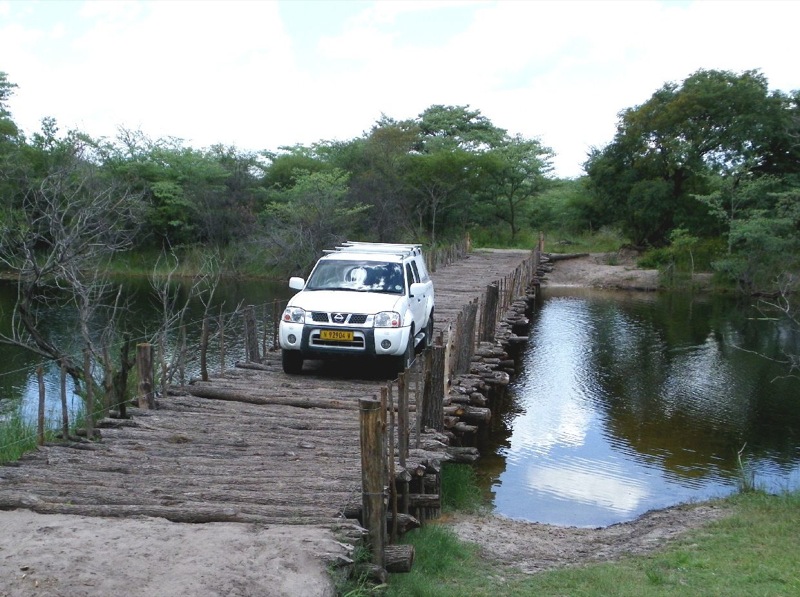
The river crossing, or causeway driving technique, is completely different from sand driving. Firstly, stop before crossing to assess the depth and condition of the surface below the water. This is done by walking through the water on foot. Caution is advised. If you have a petrol vehicle there is always a chance of getting the engine’s ignition system wet if the water is too deep, which will cause your engine to stall. Some diesel vehicles (fitted with computer boxes) are also vulnerable in water. If the water is deeper than wheel height, re-consider before attempting to cross. Most diesel vehicles are much better suited under these circumstances.

If the surface below the water is sandy there should be no problem crossing. Engage 4x4 low range and proceed slowly without changing gear. You do not want to stall in water, so remember to keep the vehicle’s revs slightly higher than idle. Also remember many electric winches do not work in water. If the surface below the water is soft sticky mud, there is a good chance of getting stuck. Should you decide to cross, engage 4x4 low range and proceed slowly. If your tyres start spinning or sticking, accelerate without excessive tyre spin and endeavour to get out of the situation as quickly as possible.

One 'golden rule' in wet, slippery conditions is never to leave the main track – the ground next to the track may look more stable, but you can be assured it is not. The mopane forests and floodplains east of Katima Mulilo are dangerous during the rainy season. You will get stuck if you try to drive through these forests and floodplains. The ground is clay-based and becomes very soft and sticky. If you find yourself in soft clay, engage into 4x4 low range and reverse very slowly to avoid your tyres spinning. If the vehicle does not move, do not spin the wheels, as you will dig down onto your chassis. Jack the vehicle up and place branches under the wheels and then attempt to drive out.

Should you consider a self-drive 4x4 trip through the Caprivi it is advisable to travel with more than one vehicle. At a crossing, ensure the first vehicle clears the obstacle before the second vehicle follows. Be sure to carry a spade, two spare tyres, a long tow rope, hand pump, hi-lift jack and wooden blocks.

Good luck with the 4x4 adventure.

Dick Sharpe (another Land Rover fan!)
T/A Sharpe Engineering Established 1993
For all your 4x4 queries, vehicle repairs, vehicle refrigeration
and air-conditioning.

Cell: +264 811 28 8549

Tel/Fax: +264 66 25 2450

E-mail: sharpe@iafrica.com.na

Birding

The Caprivi is Namibia’s bird paradise. It has varied habitats including broad-leafed and acacia woodlands, mopane forests, riverine forests, grasslands and floodplains, and therefore boasts more than 400 species of birds. The eastern floodplains and grassveld are accessible by 4x4 vehicles, but only at certain times of the year (May to November). When the waters of the Zambezi and Chobe rivers are high you can visit parts of this area by contacting one of the lodges on Impalila Island or the staff from Impalila or Kasika conservancies for a local guide.

Locations:

Impalila Island offers fantastic birding which includes the highly sought-after Pels fishing owl and, if you are really lucky, the crested guinea-fowl. The eastern floodplains have many grassveld species, including the rosy-throated longclaw, and many water birds are found in the malapos (pools) during the rainy season and after the Zambezi and Chobe River waters recede. Specials in this area include slaty egret, rufous-bellied heron and coppery-tailed coucal.

Closer to Katima Mulilo town the habitat changes to mopane woodlands, where you can expect to find Arnot’s chat, white-breasted cuckooshrike and many species of woodpecker. After the rains these forests are really exciting when pools of water gather in the black, sticky cotton soils and attract numerous waterbirds, including migrants such as lesser moorhen, blacktailed godwit, great snipe and many more. About 20km east of Katima Mulilo take the Kalembeza road north towards Kalizo and Island View Lodges on the Zambezi River. You can expect to see many raptors and grassveld species in this area, including Dickinson’s kestrel and yellow-throated sand grouse. On the banks of the Zambezi River between the two lodges is a breeding site for carmine bee-eaters. Thousands of these birds gather annually from September to November.

Kalizo Lodge is privileged to have resident brown firefinches, whitecrowned lapwings and a pair of seasonal breeding Shelley’s sunbirds. Birding in and around Katima Mulilo is brilliant. One can expect to see, among many others, African finfoots, African skimmers, African fish eagles and, if you are lucky, bat hawks on the Zambezi River. Birding in the gardens of the Zambezi Fish Farm, Caprivi River Lodge and around Katima Mulilo should produce specials like the Schalow’s turaco, trumpeter hornbill, coppery sunbird, eastern nicator, eastern bearded robin, Hartlaub’s babbler and western banded snake eagle. Night specials include pennant winged nightjars, wood owls, barred owlets and three-banded coursers.

As one leaves Katima Mulilo towards the west the state forests host some exciting birds too. These teak forests (Baikea plurijuga) host at least eight species of sunbird, including Shelley’s and purple banded. You may also be lucky enough to see the Stierling’s wren warbler, black-eared seed-eater (canary), broad-tailed paradise whydah and the northern grey-headed sparrow.  Travelling south-west from Katima Mulilo on the gravel road (C49) to the Mamili Game Park is a 4x4 adventure of its own. The Mamili Game Park borders Botswana and is a swampland with copses of large trees. The swamplands are filled by local rains and overflow from the Linyanti River. In this special environment, birding is very exciting. You can expect to see large numbers of pygmy geese among hundreds of waterbirds. This park also hosts a few pairs of resident wattled cranes and, if you are lucky, you may get a sighting of the uncommon Denham’s bustard.
Once you leave the Mamili Game Park, over either the rather precarious tin bridge or the slightly more stable wooden bridge, continue west along the gravel road to one of the lodges or camps on the Kwando River. All these establishments produce fantastic birding opportunities. You can expect to see at least one of the four species of coucal, including the special summer visiting black coucal. The papyrus and reed beds that line this interesting river teem with warblers and weavers. Once you cross the Kwando River (at Kongola) and enter the Bwabwata National Park (West Caprivi National Park), you should consider staying at either one of the community campsites (Bum Hill, Nambwa or N//Goabaca on the Kavango River) or, if your budget allows, at the stunning Susuwe Island Lodge. Once again you will have a brilliant birding experience with specials such as the racket-tailed roller and narina trogon. As with everything natural, certain times of the year are better than others.

Contact for birding:

Katy Sharpe (local guide and bird enthusiast) (also see participant list).
Cell: +264 811 246696
Tel: +264 66 253453
e-mail: sharpe@iafrica.com.na

Birding in the Caprivi from September to April is excellent, but so too is the rainfall. Remember to take this into consideration when planning your birding trip. In conclusion, to have a great birding trip to this fantastic part of Namibia, don’t rush!! There is so much to be seen and great adventures to be had.

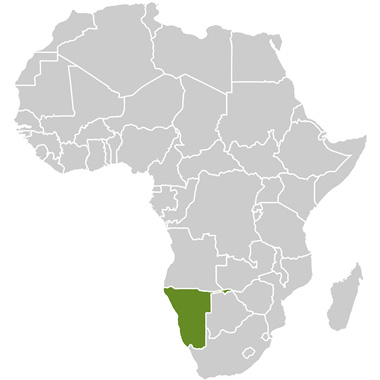
Caprivi’s position in Southern Africa

(Extracts from An Environmental Profile and Atlas of the Caprivi by John Mendelsohn and Carole Roberts; Caprivi tourist map published by Henk Coetsee on behalf of NBL)

Projecting eastwards from Namibia, Caprivi lies in the centre of Southern Africa. It is bordered by the four countries of Angola, Zambia (north), Botswana (south) and Zimbabwe (east). Three perennial rivers cross Caprivi, making it a wetland paradise in the otherwise arid Namibia. Caprivi links one closely to the world-renowned Okavango Delta and Chobe National Park of Botswana, Zambia’s and Zimbabwe’s Lake Kariba and the seventh wonder of the world, Victoria Falls (Mosi-oa-Tunya). Day trips, transfers, camping and fishing safaris can be arranged from Namibia (and especially from Caprivi) to any of these neighbouring countries.

Finding Your Way in the Caprivi

Divundu and the bridge that crosses the Kavango River mark the start of the Caprivi Game Park. Often cut off on road maps and attached as an addendum, the Caprivi has often been left out from the rest of Namibia. Many have visited Sossusvlei, Etosha and Swakopmund but few have ventured as far as Caprivi. Perhaps the distance plays a role, or the history of war before Angola’s rebel leader, Jonas Savimbi, was killed. Peace now prevails in this forgotten jewel.

When at Divundu you are 200km from Rundu (the closest town to the west) and 200km from the closest filling station to the east at Kongola. It is advisable to fill up your fuel tank and rations. Although Kongola has a fuel station, it is remote and therefore sometimes, although rarely, without fuel. At Divundu you can either turn south and head towards Mahango Game Park (20km) and further into north-east Botswana or you can head east to Katima Mulilo.

Popa Falls is situated about 10km south of Divundu along the C48 (formerly D3430). Please note that although the name implies that Popa Falls is a waterfall, it is more like a series of rapids. The best viewing point to see the falls is from the eastern banks of the Kavango River in the Caprivi Game Park. To get there is simple. Cross the Kavango River, politely proceed through the Police Control Point and approximately 1km further you will find a sign pointing right to N//Goabaca Popa Falls camping site. A few kilometres later you will find the campsite and hear the rushing water as it cascades over the rocky ledge, dropping about 1.5m.

N//Goabaca is a beautifully located community campsite. Each private site overlooks the Kavango River and blends in with the natural surroundings while serving as a comfortable, functional unit with its own open kitchenette, wooden platform (to sleep on) and fully functioning ablution facility. Rates are very reasonable (see participant list for contact details).

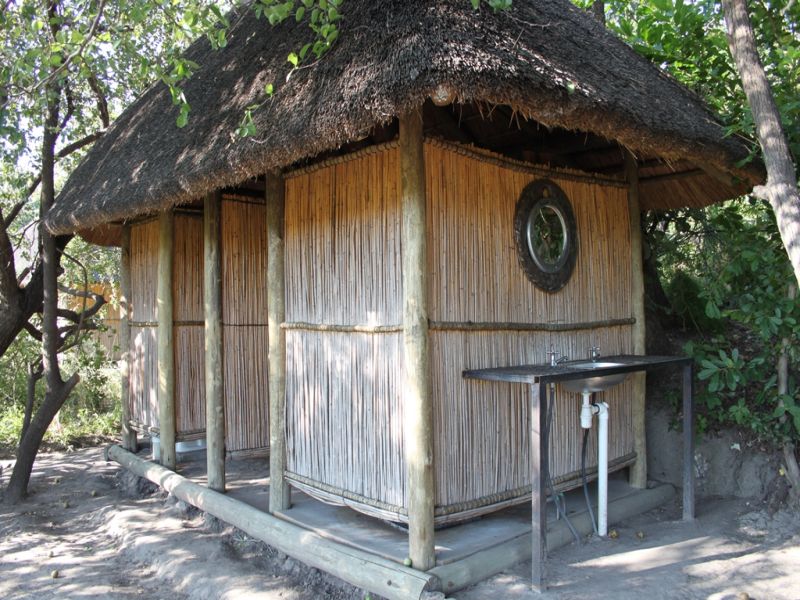
The Caprivi Game Park (to be renamed Bwabwata National Park) is approximately 180km long, 32km wide and covers a total area of 570 000ha. Travelling along the tarred Trans-Caprivi Highway (B8) you will pass the settlements of Omega and Chetto. Omega has a clinic and police station. Although you will find many “beware of elephant” signs, you will rarely encounter these big mammals. It is not until you reach the Kwando River in the eastern Caprivi Game Park, with its more densely vegetated riverine woodlands, that you are likely to spot herds of elephant. Driving caution is, however, always advised. The Caprivi Game Park becomes interesting at the Kwando River. After obtaining your compulsory permit at Susuwe Ranger Camp, Ministry of Environment and Tourism, you can proceed to the popular Horseshoe, south of the Kwando River. This is for 4x4 vehicles only. For camping in this area you have three community options and one private campsite. For 2x4 vehicle owners, Bum Hill is less than 1km off the main B8 and easily accessible even with caravan or trailer in tow. The campsite overlooks the upper Kwando and offers neat, open-plan kitchenettes, platforms for camping and fully functioning private ablution facilities. There are five private campsites and three campsites for larger groups with shared ablution facilities.

Kubunyane is situated about 10km south of Kongola and offers tented accommodation and campsites. Namushasha Lodge is situated about 12km along the C49 (formerly D3501) and offers lawned campsites on the elevated bank overlooking the Kwando River.

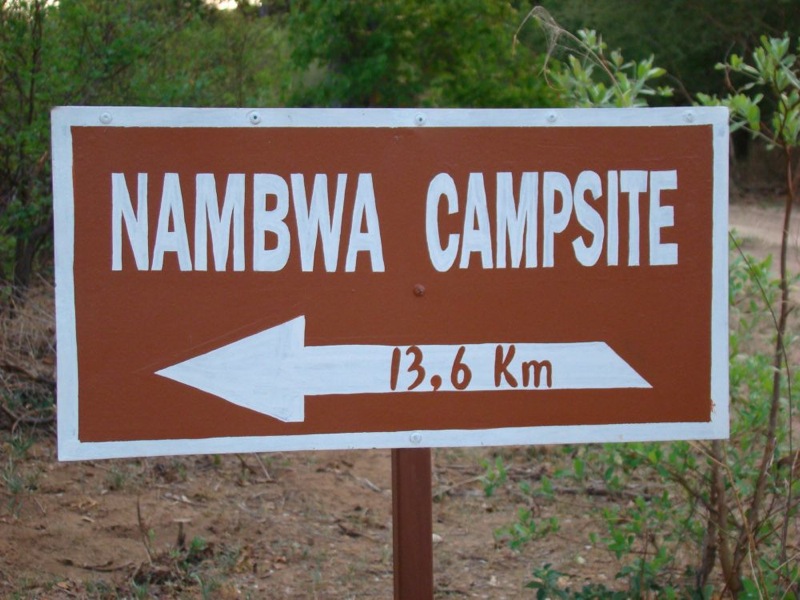
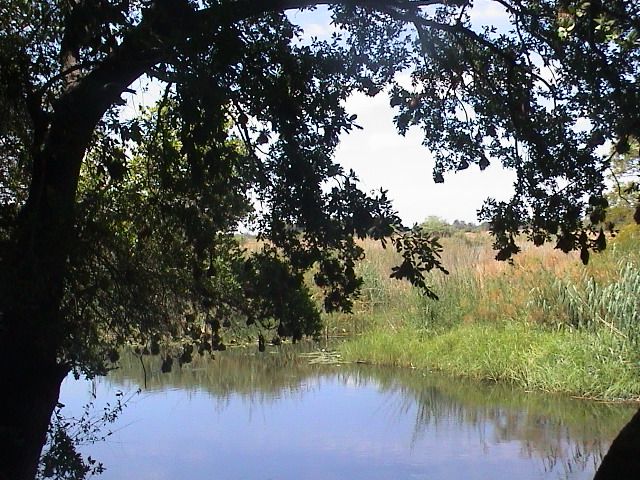
The gem of camping in this region is Nambwa (accessible by 4x4 only). The 5km drive to its pristine location, the abundance of fauna, the landscape and vegetation you experience en route, all make this place one of the best community campsites in the country. Nambwa has only six private sites, each nestled within the densely vegetated tree island. Surrounded by the backwaters of the Kwando on the east and savannah in the west, this unique community campsite is off the beaten track and the ideal gateway to explore the famous Horseshoe area with its abundance of elephant, antelope, birdlife, hippo and regular lion. For contact details of the community-based campsites in this area, see the participants section on the website.

Tourism in the Kavango-Zambezi Transfrontier Conservation Area (Kaza TFCA):

The Caprivi Region is the geographical heart of the Kaza TFCA, which encompasses parts of the Okavango and Zambezi River basin regions of five countries (Namibia, Botswana, Zambia, Zimbabwe and Angola). Key transboundary organisations facilitating the development of the Kaza TFCA include the Peace Parks Foundation and Conservation International. The aim of the Kaza TFCA is to promote the area as a major tourism destination based on a network of protected areas and wildlife populations. The Kaza TFCA is home to the largest concentration of elephants in Africa. Within the context of sustainable development, the Kaza TFCA encourages both the private sector and community-based tourism.

Traditional Village Tours and Community Craft Markets:

People in the Caprivi region have always been dependent on farming (livestock and crop farming) and conflict between humans and wildlife was a major problem. Many of the people’s fields would be destroyed or their livestock killed by wild animals. Before independence in 1990, there was no compensation scheme in place.

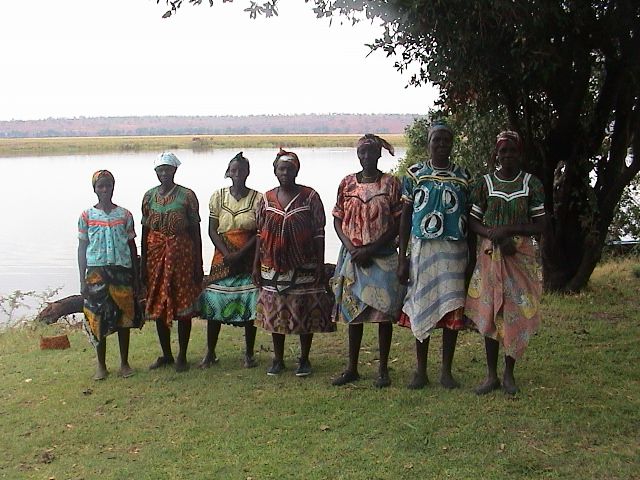
Communities in Caprivi have many similarities in cultural activities and lifestyle. The main differences occur in the traditional dancing. Some of the traditional dancing styles are locally referred to as sipelu, siboli, pela and maboloma. They are performed on special occasions.

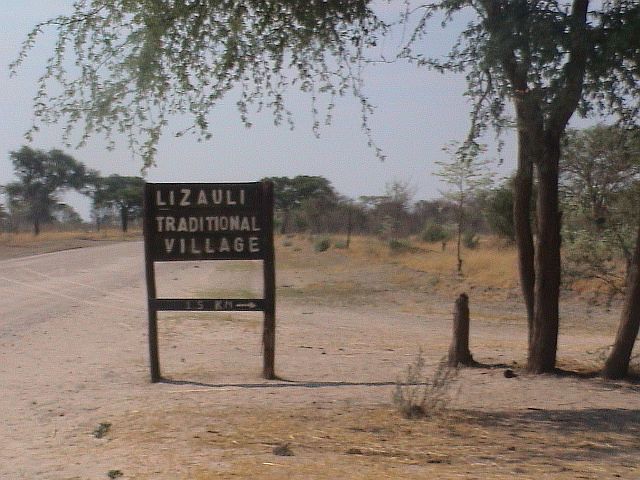
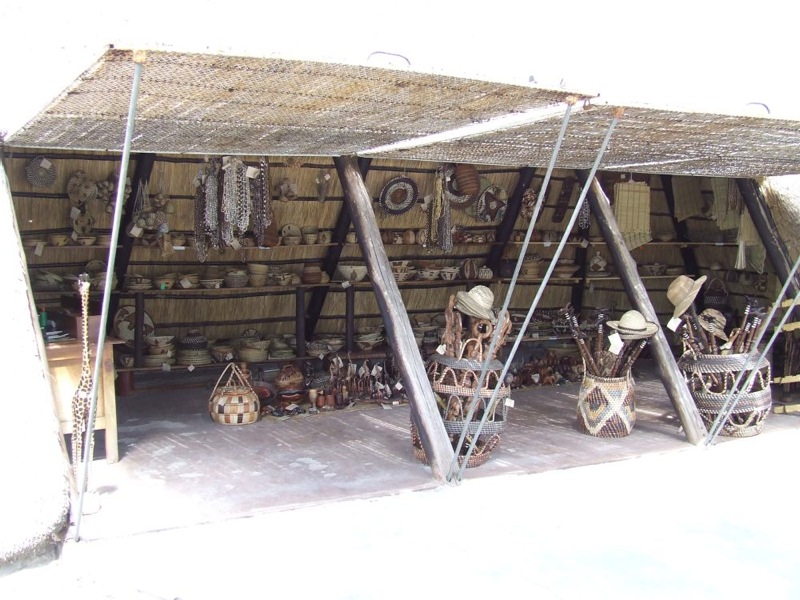
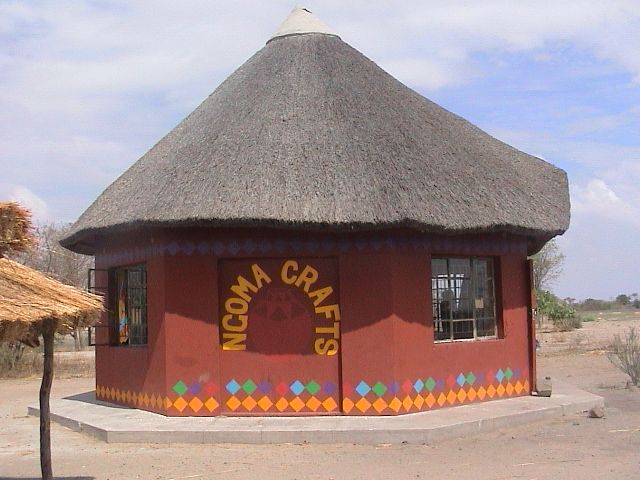
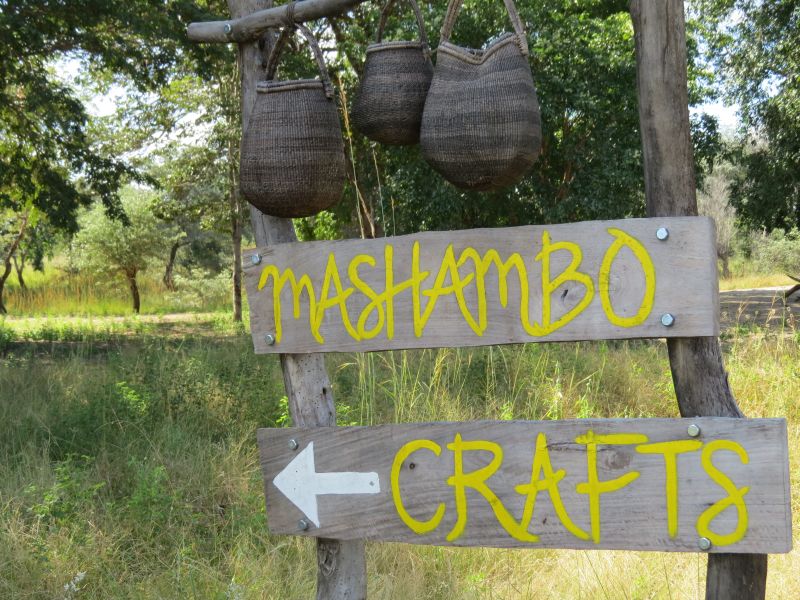
Since 1990, people have tried to benefit economically from cultural activities, mainly through the tourism industry. This idea was strengthened by the introduction of the Community-Based Natural Resource Management (CBNRM) concept and the Namibian government’s decision to give power to communities to manage and benefit from sustainable utilisation of natural resources. With this empowerment, traditional villages (for example, Lizauli, south of Kongola) have been developed where tourists can observe the demonstration of cultural lifestyles. Crafters sell their work in markets like Ngoma Crafts (situated close to the Ngoma border post in Salambala conservancy); Mashi Crafts (located at Kongola filling station in Mayuni conservancy) and Sheshe Crafts (situated south of Mudumu National Park in the Wuparo conservancy). Private lodges and campsites also play a big role as they buy crafts and building materials from the local communities.

Communities, Conservation, Tourism and Cultural Products

Since 1990, Namibia’s world-renowned Community-Based Natural Resource Management (CBNRM) programme has grown into a significant national rural development movement. This programme aims to return communal area residents’ ownership and control over resources, as well as rights to receive benefits as an incentive for conservation. For wildlife and tourism, the conservancy system has provided the necessary supportive legal framework. A local NGO called Integrated Rural Development and Nature Conservation (IRDNC) promotes conservancy development in Caprivi, which currently has seven registered conservancies and many more emerging. There are three conservancy-owned and -managed campsites located at prime river sites in the Bwabwata National Park (also known as West Caprivi Park) – Nambwa, Bum Hill and N//Goabaca campsites (see map for location). Conservancies located in the eastern Chobe floodplain offer activities to tourists from Kasane (refer to Kasika and Impalila Conservancies – see map for location).

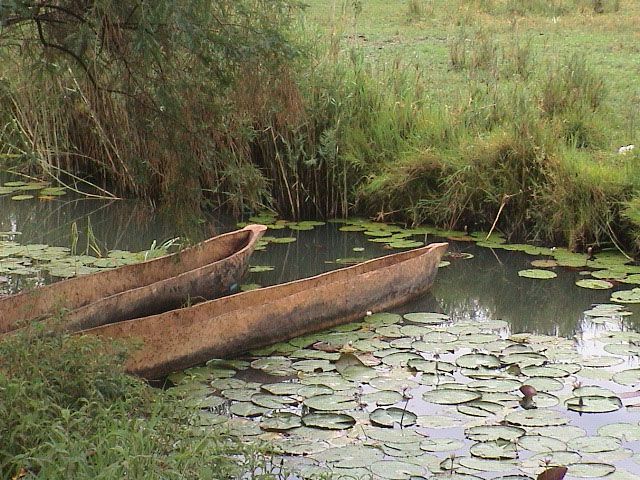
Activities range from birding, mokoro trips and fishing to traditional village tours. Two community craft co-operatives supply locally made products for sale to tourists at Kongola (Mashi Craft Market) and Ngoma (Ngoma Craft Market). As a tourist supporting community-based tourism initiatives in Caprivi, you are contributing to the alleviation of poverty and to local socio-economic empowerment.

Conservancies:

The Ministry of Environment and Tourism’s conservation vision for Caprivi is an impressive plan that outlines its commitment to community consultation, joint venture partnerships and equity in its efforts to achieve conservation and development goals for the region. The region has now embarked on tourism, not as an alternative to traditional livelihoods, but as an additional income source and job creator. Through tourism, people are maintaining their culture because that’s what they can sell to tourists in exchange for money.

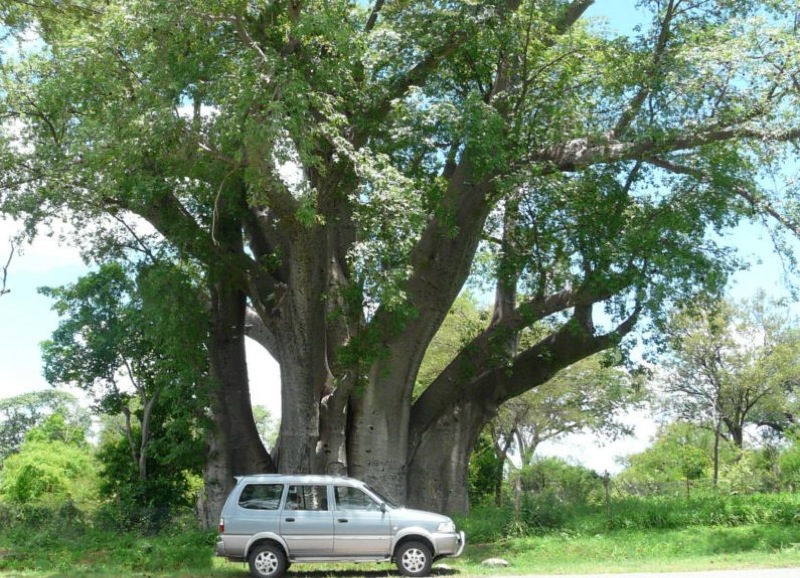
Conservancies are established within the Caprivi region to integrate traditional livelihoods with conservation and tourism. This helps optimise benefits for the community. Furthermore the establishment of conservancies led to the development of two tourism plans: the Tourism Development Plan for the eastern floodplain and the Kwando/Linyanti Tourism Development Plan. Through these plans communities have identified historical and unique sites. One of these is Sekeletu (historical site) in Malengalenga. Sekeletu was reputed to be a man whose walking stick turned into a growing tree. His grave is situated close to this tree. Long ago tourists visited this site and now people have decided to use the site to generate income. Another example is the baobab tree in the Impalila conservancy. If a person climbs to the top of this tree they can see where the four countries of Zambia, Zimbabwe, Botswana and Namibia meet.

Conclusion:

The implementation of the CBNRM concept in Caprivi has created hundreds of jobs for rural communities. Furthermore it has developed a strong link between traditional leaders, NGOs and line ministries and has strengthened the relationship of the region and bordering communities. This has been achieved through the establishment of working group forums to implement tourism plans and address social and tribal issues where necessary. While marketing remains a big challenge for the region, the Caprivi Promotional Project (CPP) has been established to market the region as a destiny and to encourage tourists to stay longer.

“Fellow Caprivians, be informed to maintain your culture because it values money.” Reuben Mafati, IRDNC

 “Please do not bargain too much with the locals for their crafts, they have little as it is and their talents are priceless.”

*Background information courtesy of Caprivi Promotional Group and Project and Promotions, Namibia.


Useful Links

http://www.namibian.org/travel/namibia/caprivi.htm
http://www.namibia-travel.net/northnamibia/caprivi.htm
http://www.nacobta.com.na

Suggested Reading List

A Field Guide to Large Mammals of Africa - Jean Dorst, Pierre Dandelot;

A Guide to Namibian Game Parks - Willie Olivier, Sandra Olivier;

Birding in Namibia - Eckart Demasius, Christine Marais;

Birds of Namibia - Ian Sinclair, Jackie Sinclair;

David Livingstone - Rob Mackenzie;

En Route … To the North Eastern Region of Namibia - Raymond Spall, Monica Spall. Projects and Promotions;

Field Companion to Roberts Birds of Southern Africa - Gordon Maclean;

Field Guide to Snakes and Other Reptiles of Southern Africa - Bill Branch;

Freshwater fish of Southern Africa - Paul Skelton;

Journey into Namibia - Clive Cowley;

Namibian Holiday and Travel - Venture Publications;

Okavango River - John Mendelsohn, Selma el Obad;

Overland Through Southern Africa - Willie Olivier, Sandra Olivier;

Snakes of South West Africa - PJ Buys, PJC Buys;

Trees of Southern Africa - Piet van Wyk;

Traditional Ceremonies of AmaNdebele - Pathhisa Nyathi; and

Where to Stay Southern Africa. 2006 - Colourgem


Nearby routes

Four Deserts Route

The Four Deserts Route covers the entire south, from the Orange River to the Tropic of Capricorn. The route is not a single road linking four great deserts, but rather represents a variety of enterprises - accommodation and other tourist services - found in the vicinity of these attractions.

Nama Padloper Route

The route has an abundance of natural attractions with unique landscapes and a diverse range of fauna and flora. Most of the route falls within the Succulent Karoo Biome whilst the area east of the Fish River falls in the Nama Karoo Biome.

Comments and Reviews

Add a comment

See all comments from this route

Accommodation

Bum Hill Community Campsite | Bum Hill offers three standard camping sites with separate braai areas. Exclusive sites with private facilities.
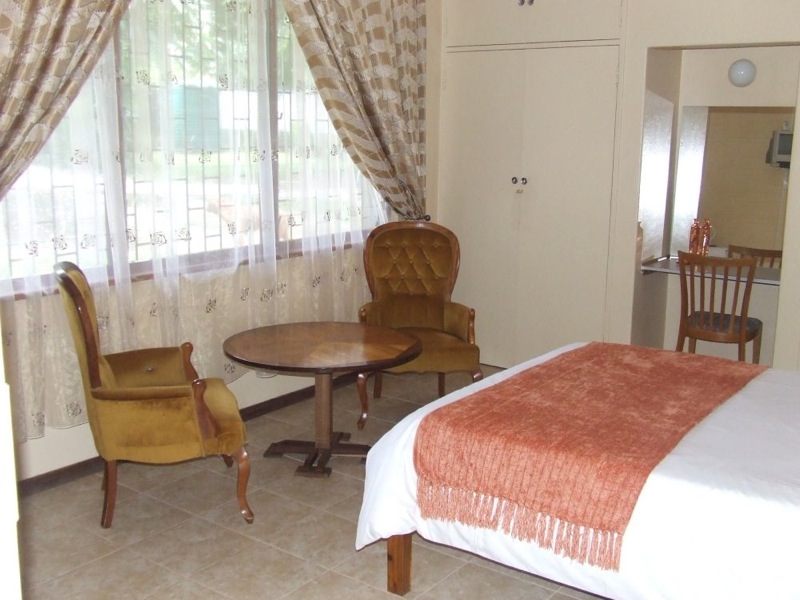
Caprivi River Lodge | Caprivi River Lodge offers two types of accommodation: chalets or backpackers cabins.
Kalizo Lodge | Kalizo Lodge offers the option of self-catering units, dinner bed and breakfast or camping.
Kubunyana Community Campsite | A community campsite on the banks of a quiet tributary of the Kwando River.
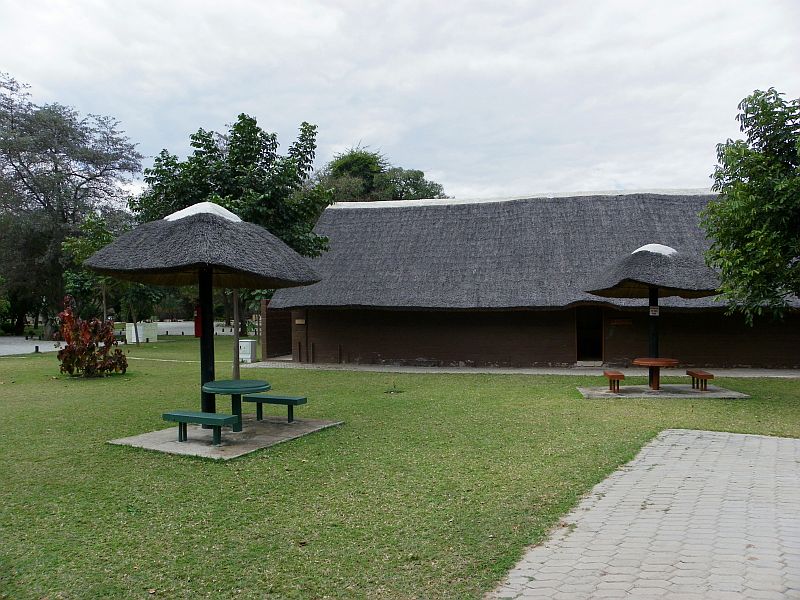
Lianshulu Lodge | Accommodation is offered in individually styled and furnished, reed, brick and thatch chalets.
Mazambala Island Lodge | This lodge is situated on an island in the Kwando River amid lush tropical vegetation. It offers accommodation in twelve traditional reed and thatch en-suite bungalows.
N/goabaca Community Campsite | This campsite offers some of the best views of the Popa Falls.
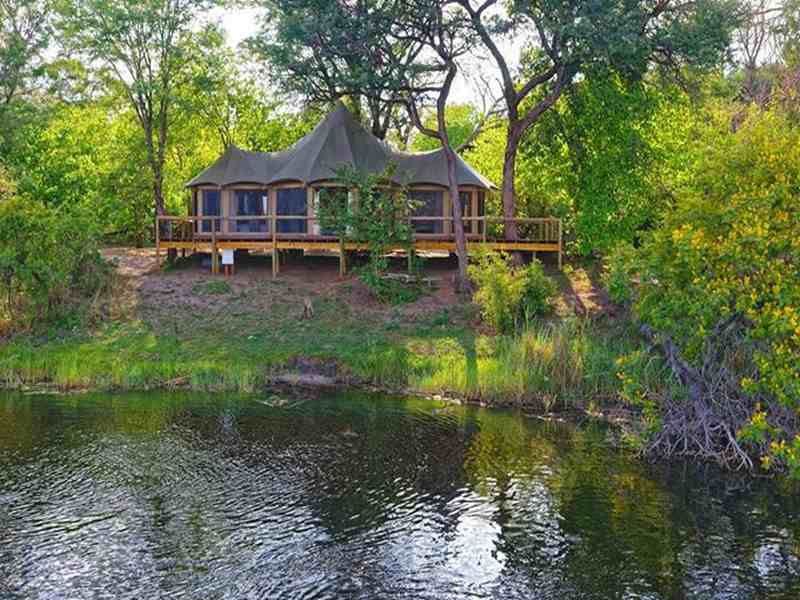
Nambwa Community Campsite | This campsite consists of six sites with neatly kept ablution facilities. All the sites are located close to the Kwando River and hippos are regular visitors to the campsite.
Susuwe Island Lodge | Susuwe Island Lodge offers visitors the opportunity to experience closely a wild and untouched island of Africa.

Activity and Adventure

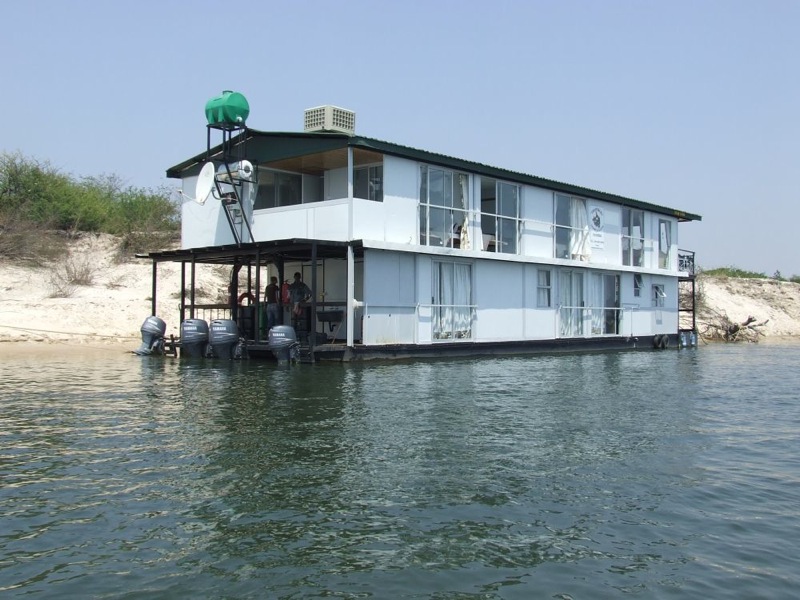
Caprivi Houseboat Safaris | Visitors can enjoy day trips, which include sunset cruises, angling and birding excursions or simply a leisurely day cruise on the Zambezi.
Impalila Conservancy | This conservancy is located on Impalila Island and offers a wide range of activities, eg. fishing trips.
Lizauli Traditional Village | A community tourism product that gives visitors a glimpse of life in a traditional village.

Arts & Crafts

Katima Craft Centre | All the crafts on display in the centre are sourced from local villages. Visitors are welcome to visit.
Mashi Craft Market | These crafters make a range of products, including using grasses to make reed mats, baskets, etc.
Ngoma Craft Centre | This centre has a variety of crafts on sale including weaved baskets, etc.
Sheshe Craft | Amongst the products on sale are traditional baskets, floor mats and various other curios.

Tourism and Environment

Bird Guide - Katy Sharpe | This bird-guide conducts various birding tours in the Caprivi.
Kasika Conservancy | A conservancy that helps improve the lives of community members.
Mashi Conservancy | Self-defined common property management and social units used for crop and livestock farming, mixed wild and domestic animal grazing, exclusive wildlife and tourism.
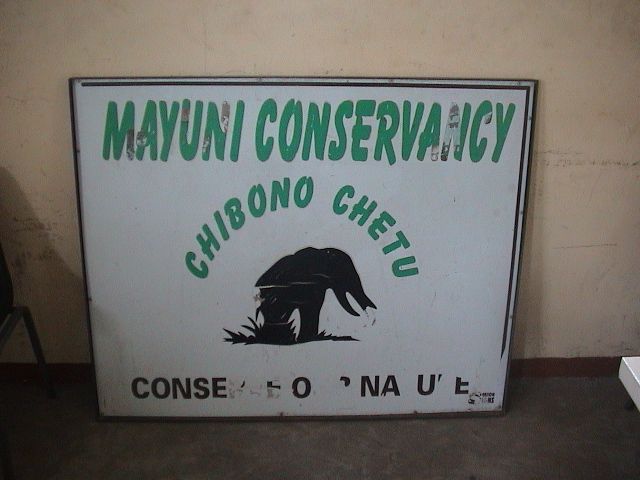
Mayuni Conservancy | A community initiative that generates income for the community through tourism activities.
Salambala Conservancy | Salambala Conservancy is one of Namibia's most biologically diverse areas. A community campsite with four stands provide accommodation.
Tutwa Tourism and Travel | Tutwa offers a diverse range of services throughout the Caprivi region, including river trips.
Wuparo Conservancy | Wupero Conservancy has contributed to several developments in the region, including an increase in tourism and employment.

Services

Integrated Rural Development and Nature Conservation (IRDNC) | A field-based, non-governmental organization and registered trust.

Full printable contact list

Contact

Do you have any queries about this route? Please contact us using the details below.

Keith Rooken-Smith

  • Tel: +264 81 241 8182
  • Email:

Enquire about this route by using the contact form below:


Photos

See all photos

Verbatim

It is important to nurture any new ideas and initiatives which can make a difference for Africa.

– Wangari Maathai, Nobel Peace Laureate

Did You Know?

Lake Fundudzi on the Mutale River near Thohoyandou is considered sacred and it is believed that the lake is all that is left of the water that covered the Earth before creation.

– See Land of Legend Route

Contact


© Open Africa 2009. Disclaimer. Privacy Policy.
Designed and maintained by Flow Communications. Report a site problem.