Namibia
Imagine the world's oldest living desert, a classic desert with rolling golden sands, the highest sand dunes in the world, where the world's oldest living plants, some 1000 years old, stretch their tentacles across the desert floor. Imagine a desert of a different kind, a stony mountainous landscape of almost unsurpassed rugged beauty formed by millions of years of unending geological movement where the great grey shapes of desert elephants appear and disappear. Imagine a fog-shrouded treacherous coastline blown and tormented by the icy Atlantic winds littered with the skeletons of wrecked ships. Imagine a great game park where you can sit up all night beside a floodlit waterhole and watch lions, rhinos and game of all sorts come and go.
Imagine where four countries meet, where mighty rivers come together, where tiny islands dot the rapids, where myriads of birds make their home in lily-studded lagoons, where one of the world's toughest fighting fish is lying in wait for a bite, and where the pristine waterways rival the Okavango Delta. Imagine huge distances, sunshine all year round, mountains, sea, desert and bush where there are only two people per square mile.
Be prepared for sand dunes that roar, rumble and wander, shipwreck-littered barren coastlines, some of the most desolate and spectacular scenery in the world, vast desertscapes, sand-invaded ghost towns, great gravel plains, water wildernesses.
"Welcome to Namibia".
A former German colony which boasts some of the best infrastructure in Africa, this huge country, four times bigger than the United Kingdom and bigger than Texas, is a land of extremes.
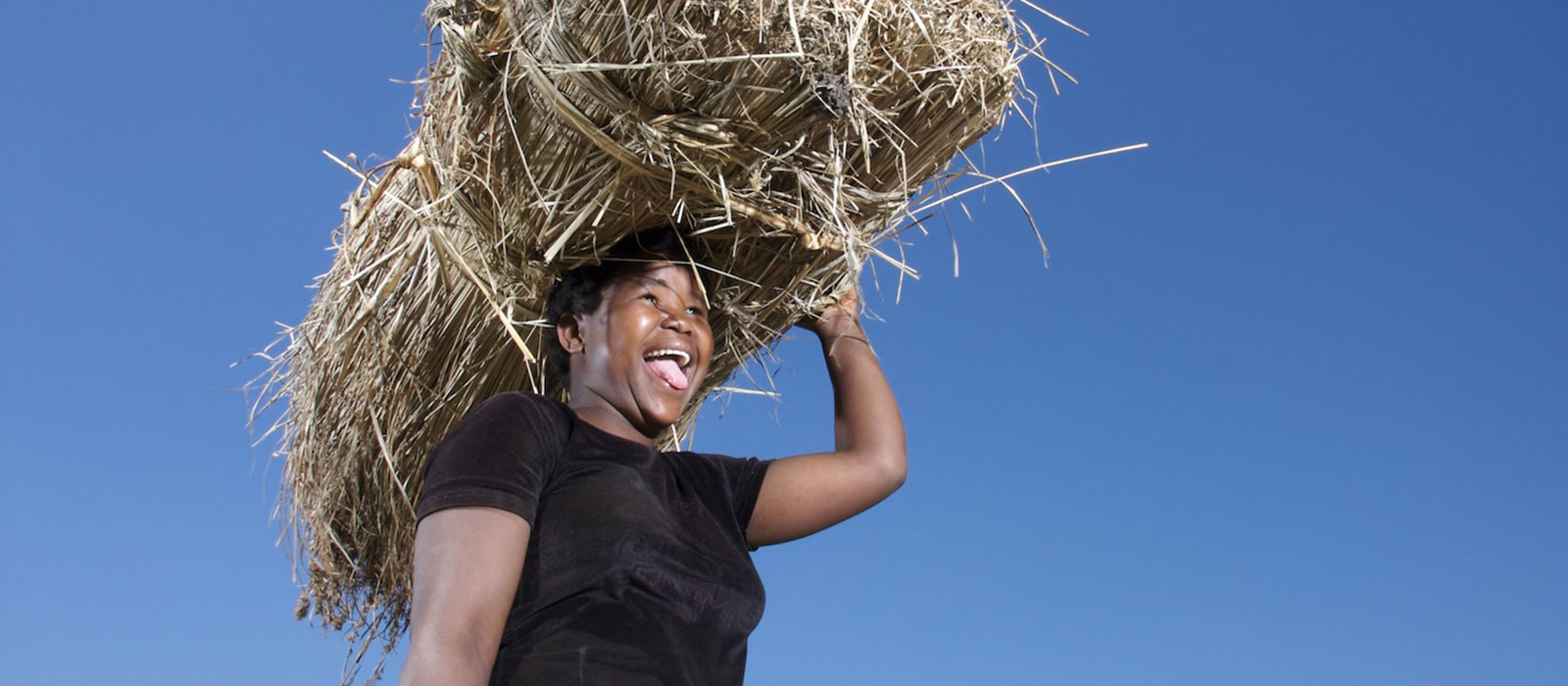
From small, bustling cities to tiny outposts with just one petrol pump, from seaside towns to mining villages, from modest skyscrapers to reedcutters' huts, Namibia is a land of great contrasts. But here, almost more than anywhere else in sub-Saharan Africa, you will find isolation, desolation, surreal stark landscapes, a land carved out of the Earth by fire, water and geological movement, a country so starkly beautiful that it is known as 'The Land God Made In Anger'.
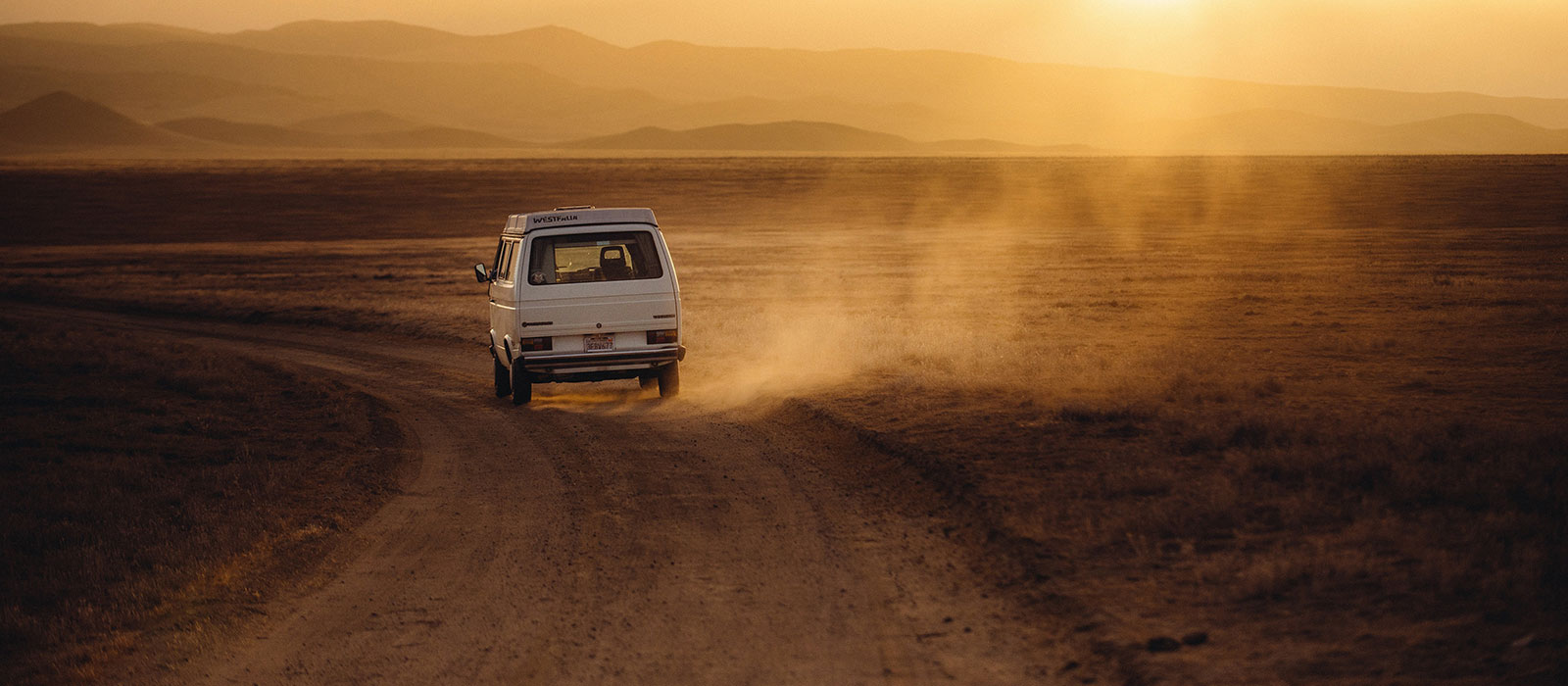
Sometimes as you drive along a road that seems to stretch forever into the distance, you will feel that you are the only person on Earth.
Don't miss …
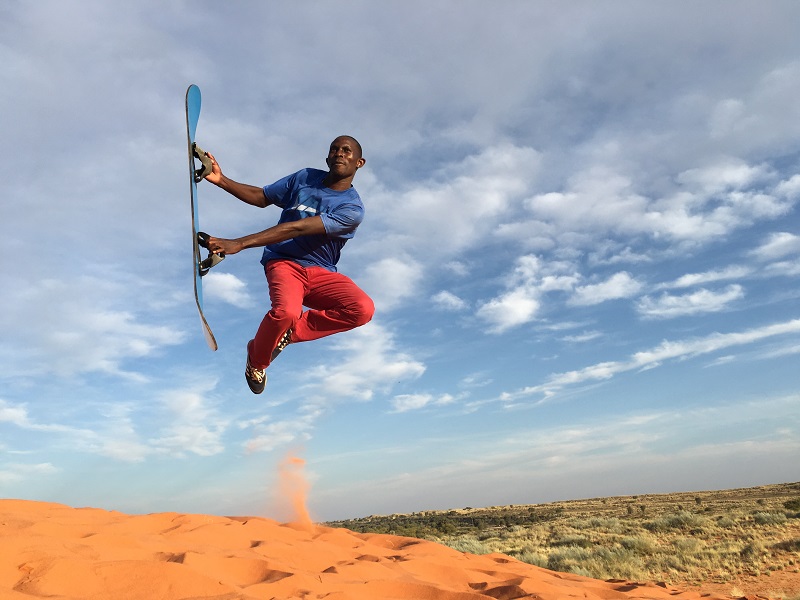
The Namib desert is a must-see. Get yourself to the red desert dunes of Sossusvlei and then, if you're fit, climb Big Daddy, reputed to be the highest sand dune in the world. Or if you're not in top shape, just hike up to Dead Vlei and gaze at the awesome scenery around you where huge star-shaped shifting dunes change colour according to the time of day – from pale pink and yellow, to russet and gold, and finally to deep rose-red as the sun sinks down. Dune-climbing is exhausting so make sure you are well-armed with water, a hat and sun block – and of course, your camera.
Strange unique creatures and plants live in this desert, from the 1000 year-old Welwitschia mirabilis plants and the desert-dwelling antelope the oryx (rumoured to be the source of the unicorn legend), to the side-winding adder, the dune beetle which collects condensed fog on its back and then rolls down the ensuing droplet to its mouth, and the burrowing golden mole, once thought to be extinct.
Over 50 species of mammal and over 200 species of birds can be found in the Namib Naukluft Park, which stretches along Namibia's southern coast from Luderitz to Walvis Bay, and at 400km (250mi) wide and 150km (93mi) long and covering 12.1-million acres, is the fourth-largest national park in the world.
If you're an adventure junkie, then head straight for the somewhat Dali-esque and surreal little town of Swakopmund – “Swakops” as it's affectionately known in Namibia. On the one hand it's like a quintessential tiny portion of Europe with its seaside promenade, pavement cafés, fine German colonial buildings, trendy bistros, friendly and neat-as-a-pin pensions, immaculate boarding houses and fine hotels.
Useful links:
Routes
Caprivi Wetlands Paradise Route
Namibia: Caprivi, a thin strip of land in the north-east of Namibia, lies in the centre of Southern Africa. It is bordered by Angola, Zambia, Botswana and Zimbabwe. Three perennial rivers cross Caprivi, making it a wetland paradise full of animals and birds.
Read moreFour Deserts Route
The Four Deserts Route covers the entire south, from the Orange River to the Tropic of Capricorn. The route is not a single road linking four great deserts, but rather represents a variety of enterprises - accommodation and other tourist services - found in the vicinity of these attractions.
Read moreKavango Open Africa Experience
The Kavango Open Africa Experience is based on the riverine landscapes of the Kavango, its people, birds and wildlife. This unique travel route is situated in north-eastern Namibia.
Read moreNama Padloper Route
The route has an abundance of natural attractions with unique landscapes and a diverse range of fauna and flora. Most of the route falls within the Succulent Karoo Biome whilst the area east of the Fish River falls in the Nama Karoo Biome.
Read more
Reviews
See all reviews about this country
Add a review
Have you been there? Let others know what you thought.