

South Africa » Kruger to Canyons Route

Download GPS Coordinates (KML file) (what is this?)

Kruger to Canyons Route

The Kruger to Canyons Route brings the imagination of every explorer to life. Stretching through the semi-arid savannah land of the Bushveld, to the depths of the canyons and their highest viewpoints, via the rolling grasslands of Mpumalanga’s Lowveld sprinkled with waterfalls on the way; the Kruger to Canyons Route showcases Africa’s diversity in landscape. Here pioneers have left their footprints in the form of names, stories and towns. The position of the area brought about many defining activities in and around settlements, such as trade-centres and the rush for gold, bringing together different groups of people and resulting in an interchange between cultures.

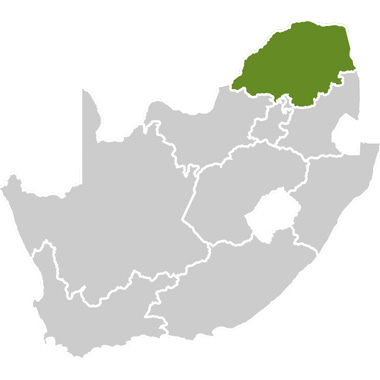
The Kruger to Canyons (K2C) Route is situated in the north-eastern corner of South Africa, nestled in the Limpopo province, but extending its branches into Mpumalanga Province. It stretches from Phalaborwa in the north, through Hoedspruit and connects with Graskop via several roads. The route covers a large area and, as the name implies, offers a journey from the Kruger National Park, past the Olifants River and its canyon to the magnificence of the Blyde River Canyon, the world’s third-deepest canyon. Between these main features many natural and cultural treasures can be found, as well as a range of indoor and outdoor activities. To present accessible clusters of these treasures, making it easier for visitors to explore and plan, the larger route is broken up into smaller sub-routes or themes. Each sub-route has a town or an area attached to it and these are all within comfortable driving distance from each other.

Please note that Mpumalanga Province has established a Panorama Route that is independent of Open Africa. The route is mentioned often, especially where there are crossover points. For more information on this route, visit www.panoramainfo.co.za or www.southafrica-travel.net/north/ti_panor.htm

The sub-routes consist of Phalaborwa at the northern point, which is part of the Rixile brand of routes; Hoedspruit and surrounds, which is located in the centre of the Kruger to Canyons Route and therefore aptly referred to as the 'heart of the Kruger to Canyons'; and Graskop, which is part of Mpumalanga’s existing Panorama Route. Here the R532 stretches past the viewpoints of the Canyons and Greater Panorama Route, while the R40 road forms the other leg that stretches past nature reserves and vibrant villages and towns to Bushbuckridge, offering a cultural theme to the Kruger to Canyon, called the Vuyani Kaya Route.

To summarise, here are the divisions:

  • Phalaborwa (Rixile);
  • Hoedspruit (Heart of the Kruger to Canyons);
  • The Vuyani Kaya Route; and
  • Graskop (Panorama).

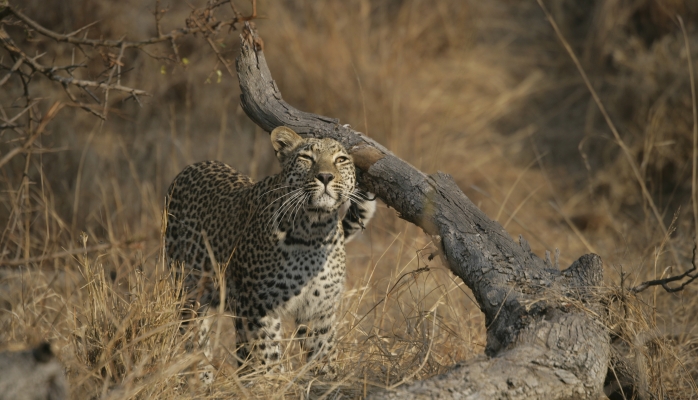
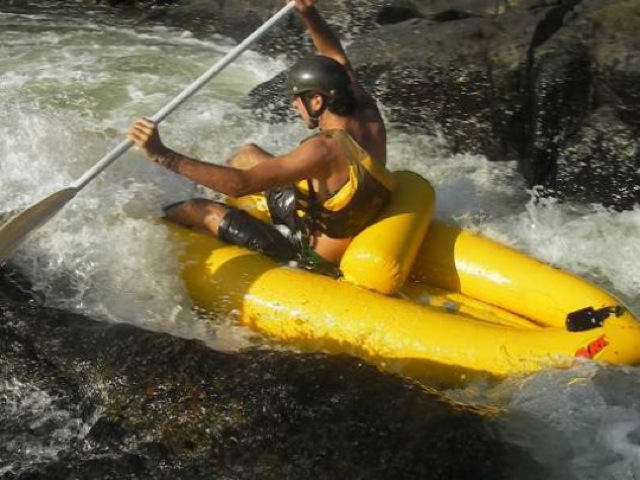
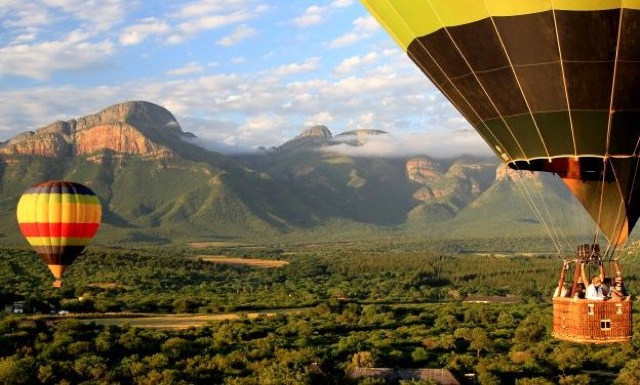
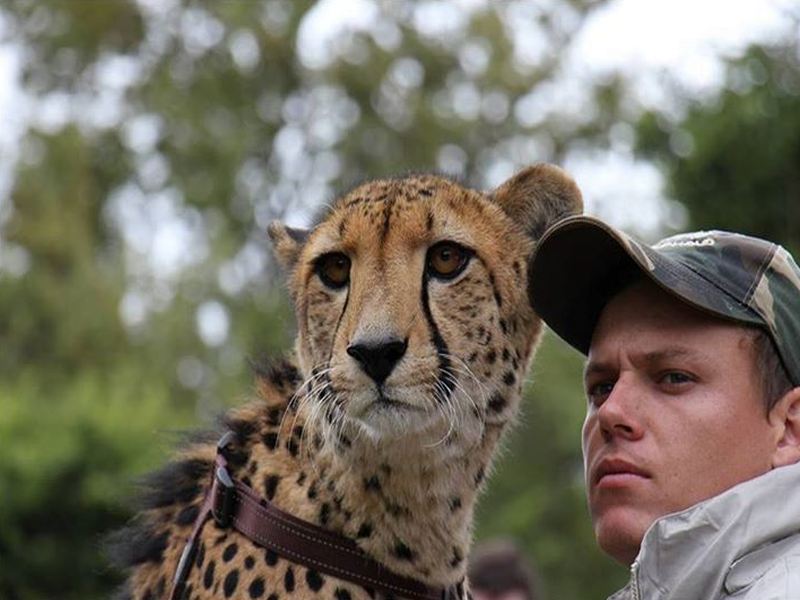
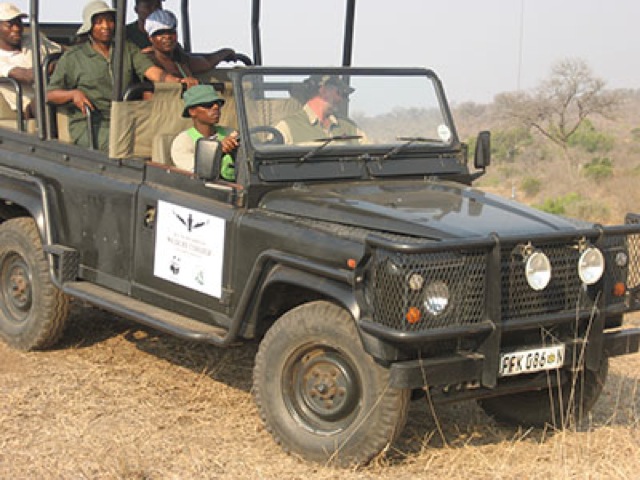
The K2C’s richness in diversity of landscape extends to its diversity in activities. The Kruger National Park speaks for itself, offering amazing game viewing and outdoor experiences. The richness in wildlife does not end in the Kruger National Park; it can also be explored in different settings such as private reserves and game lodges. The experience continues with outdoor trails and varied adventure activities like rock climbing, white water rafting and even hot air ballooning. The whole area is also endowed with rich bird life.

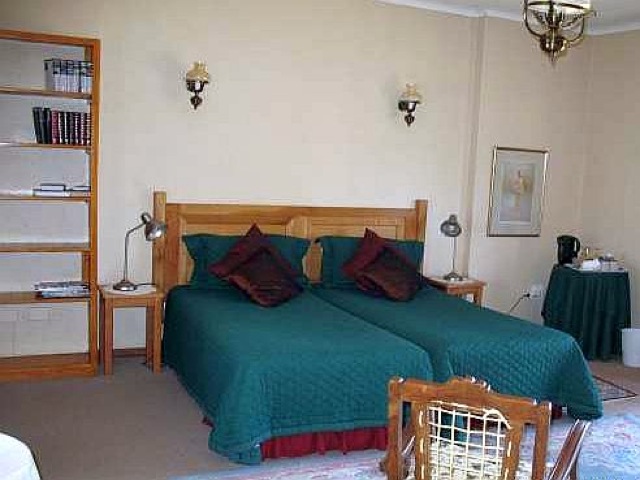
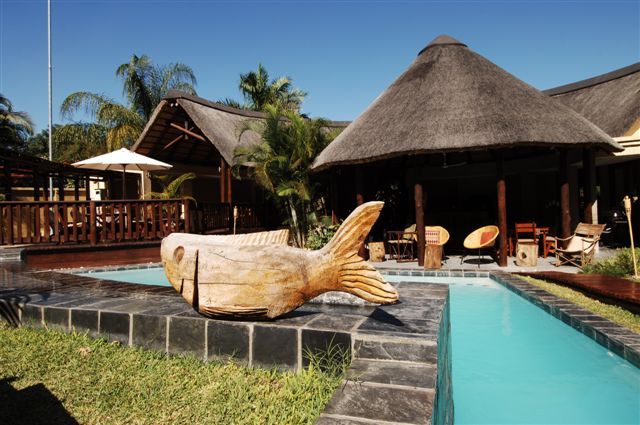
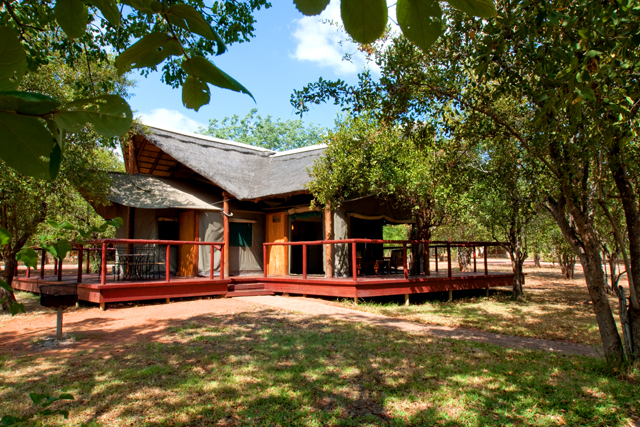
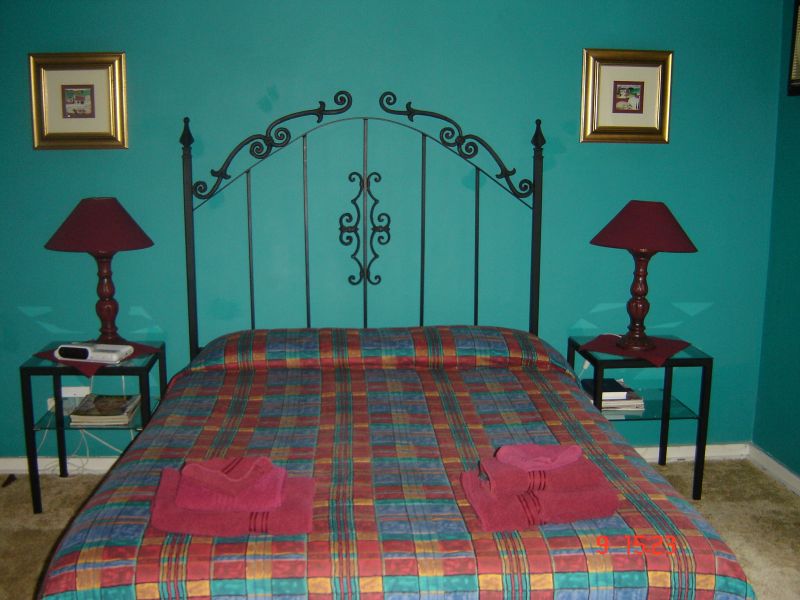
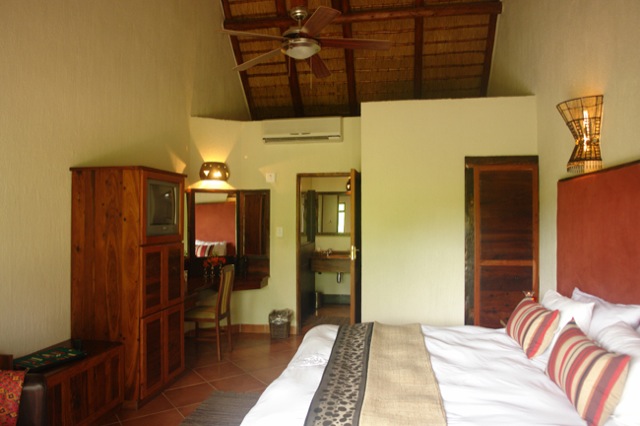
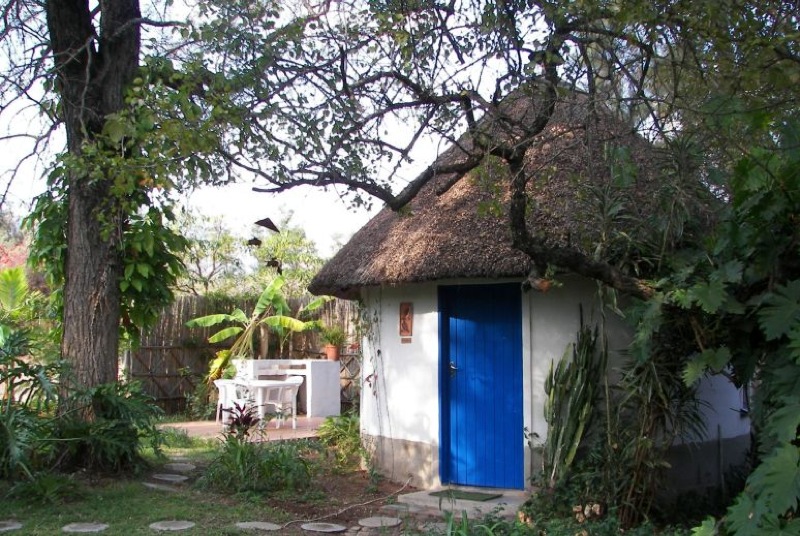
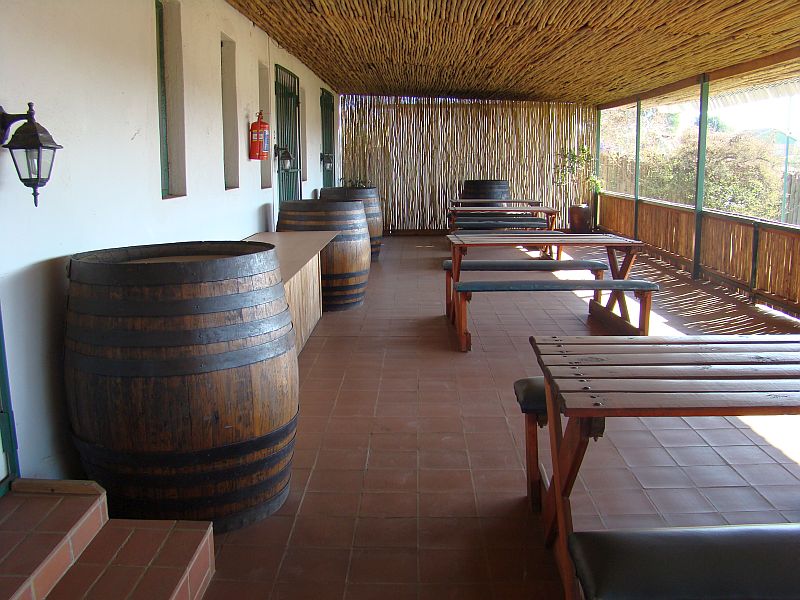
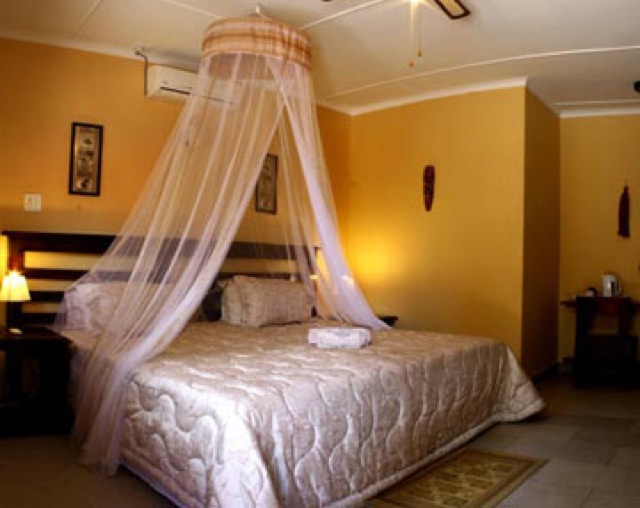
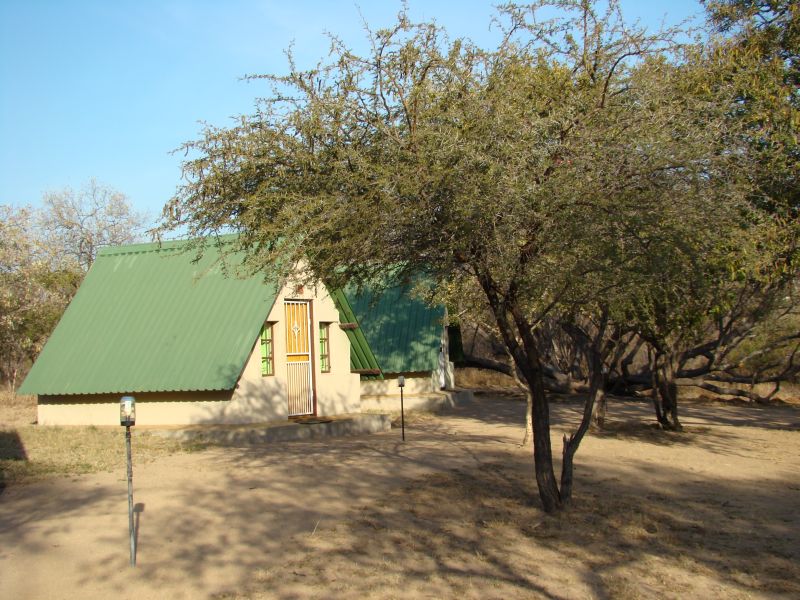
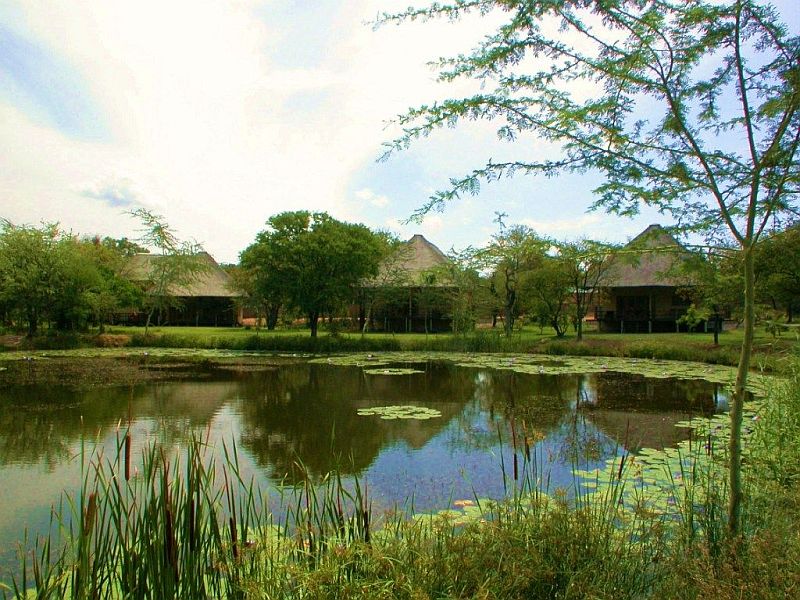
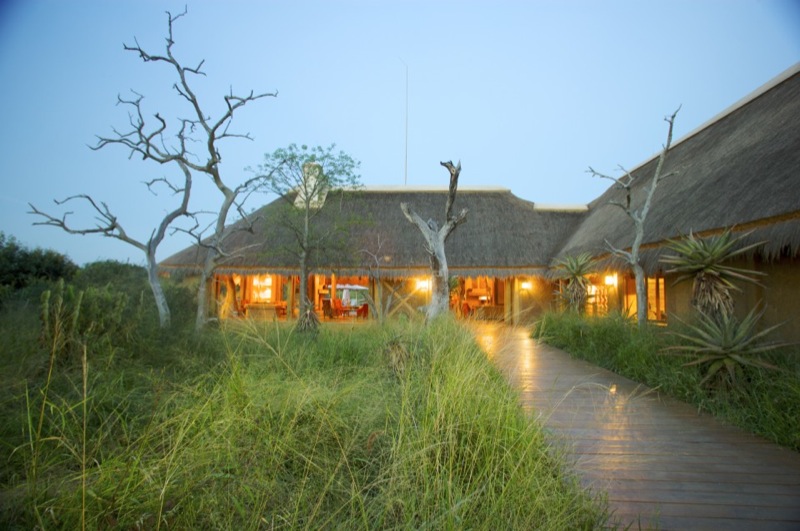
Accommodation ranges from luxurious lodges and safari camps to beautiful B&Bs and even backpackers accommodation, catering for every pocket.

The region’s diversity is also captured in the Kruger to Canyons Biosphere reserve, highlighting the different bio-regions that stretch through the area.

The Kruger to Canyons Biosphere:

The biosphere is located in the south-eastern sector of the region, bordering the Kruger National Park. It consists of a large area of private land that is being converted to conserve the area linking the Blyde River Canyon with the Kruger National Park. This important development aims to conserve the natural habitat of the sensitive ecology of the region and to encourage the development of tourism-related facilities. The biosphere is registered with the United Nations Educational, Scientific and Cultural Organisation (Unesco) on the world network of biospheres programme.

The name – Kruger to Canyons Biosphere Reserve – refers to the regional nature of the initiative. The region embraces two of South Africa’s flagship conservation areas (Kruger National Park and Blyde River Canyon), exceptional biodiversity and endemism, a diverse human population and a diversity of land-use practices. Taking this into account, along with the fact that there is increased pressure on the resources of the region, a framework was needed to ensure sustainable conservation of the natural resources for all members of the broader community. This framework includes both people and the natural environment.

Biosphere Reserves are designated regions throughout the world where internationally important ecosystems and protected areas lie adjacent to human settlements, and are established to promote solutions to reconcile the conservation of biodiversity and its sustainable use.

www.kruger2canyons.com

(Information extracted from the Kruger to Canyons Biosphere Booklet)

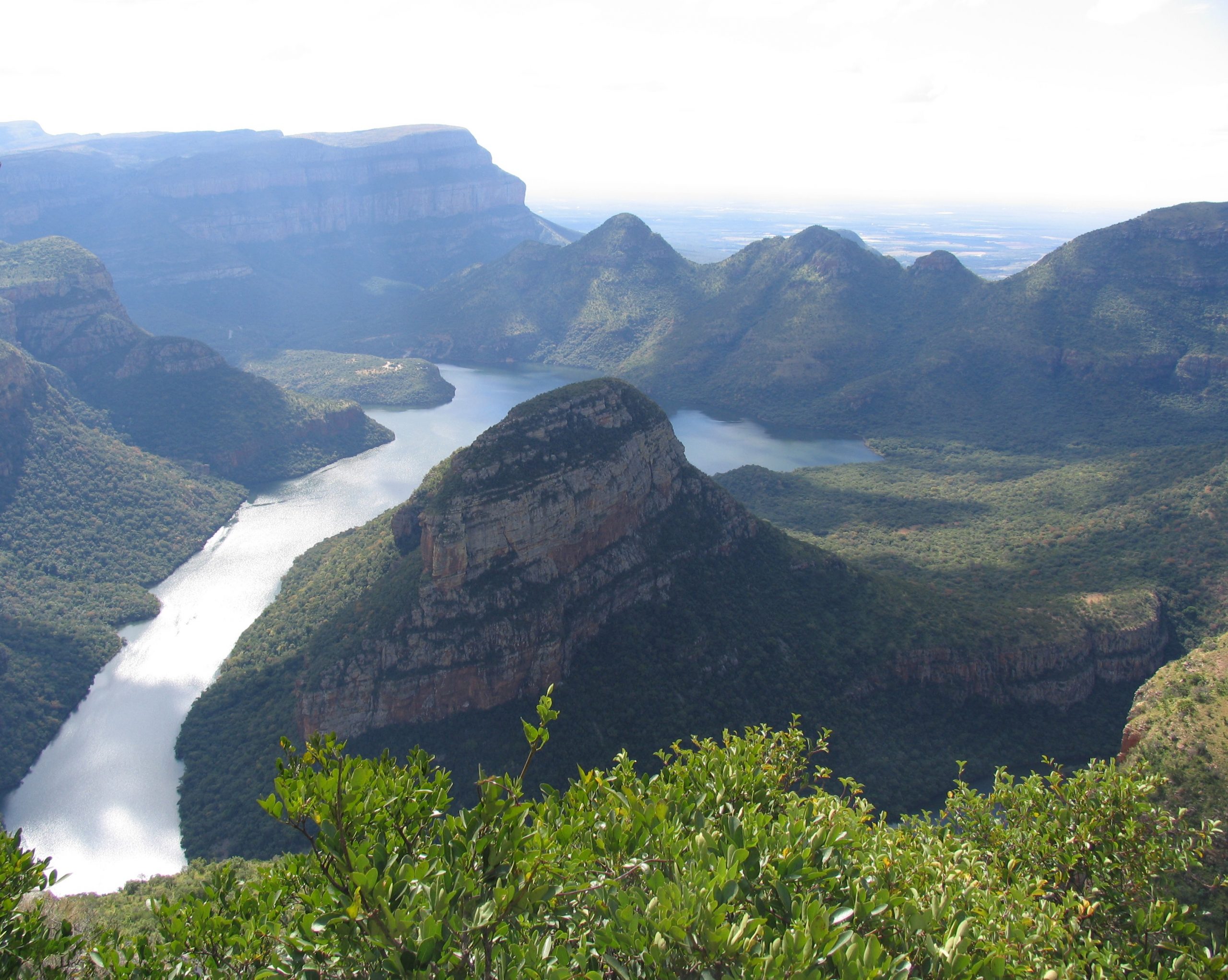
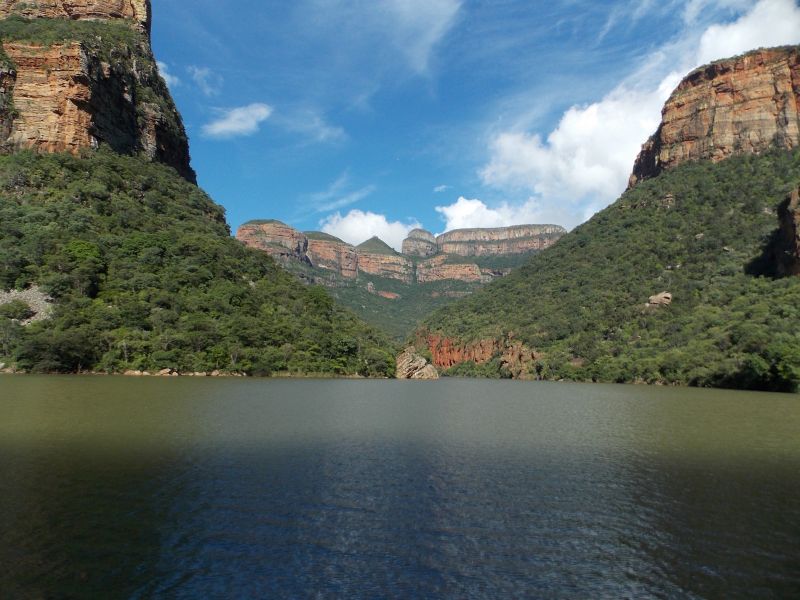
The Blyde Canyon, also known as 'Motlatse', is the third deepest canyon in the world, with the Grand Canyon in the western US and Namibia’s Fish Eagle Canyon as first and second, respectively. But its significance is in its breathtaking sights and astounding panoramic viewpoints, reaching 600m-800m above the riverbed. The canyon is more then 20km in length.

Blyde Canyon stretches through the Drakensberg Mountain Range, which forms part of the seven main mountain systems in Africa. Its height and location provides for beautiful botanical vistas and afromontane forests. (Afromontane is a term used to describe the plant and animal species common to the mountains of Africa and the southern Arabian Peninsula.) Walking trails laid out under the forest canopy enable close-up views of the terrain.

At the bottom of the Canyon there is a scarce and threatened Lowveld Riparian forest, only 100ha in extent. The river dams at the mouth of the canyon, forming the Blyde Dam at Swadini. The Blyde Dam provides for activities such as boat trips, viewing tufa waterfalls, as well as canoeing, rock-climbing or abseiling. Hiking is another popular activity.

Tufa Waterfall:

A tufa Waterfall differs from the average waterfall. An ordinary waterfall eats its way backwards through the rock over which it falls. The tufa waterfall, however, moves forwards, actually “building” up a layer onto the rock. This is caused by the calcium carbonate deposits in the water, causing a type of”stalactite” growth over the years.

Apart from its overwhelming presence, the Blyde River Canyon has many individual interest points. These can be explored through the many scenic drives on offer. The roads are clearly marked with signboards and offer viewpoints around every corner.

Scenic Drive:

Panorama Route (North on R532 – about 250km):

This drive is along the R532, starting either in Graskop or from the JG Strijdom Tunnel.

From Graskop:

The scenic route starts along the R532 road at the top of Louis Trichardt Avenue. The signboard says 'Blyde River Canyon' and takes you to the R534 road. The route takes a loop for 15.4km along the escarpment, branches off to the right at 2.6km and rejoins the R532 at 8.6km from Graskop.

The first viewpoint is Pinnacle Rock.
Pinnacle rock is a tall column that consists of weathered quartzite covered with bright aloes. The visible part stretches about 30m above the indigenous forest in the surrounding Driekop gorge. At the head of the gorge, to the right, flows a source of the Ngwaritsana River.

The road then continues to God’s Window. This interest point offers breathtaking views to the south and east from various viewing platforms. The viewpoints overlook a drop of almost 300m into the indigenous forest clad ravine. The nature reserve at God’s Window boasts a rain forest and Aloe gardens with weathered sandstone features. One can also follow a trail through the rain forest, which runs along the escarpment edge and leads towards Wonder View.

Wonder View:

Wonder View is at the highest point accessible by car on the edge of the escarpment. Its altitude at 1 730m offers remarkable views. To the east is a drop of almost 800m to the Lowveld, with views of the Kruger National Park and Lebombo mountains in the distance. To the north lies the 1 832m high 'The Peak' and to the south and south-east visitors can see a view of Graskop.

When the road links up with the R532 road again, the next stop is the Lisbon Falls (you have to back-track on the road for about 800m to reach the turn-off). Lisbon falls cascade 95m (the highest in the area), where the river separates into three streams, plunging its way into dark green pools below. This was originally known as Waterfall Creek, where gold was discovered in the 1800's. In March 1874 there were about 53 diggers working around the waterfall, few of whom were successful.

Heading north again on the R532 road, the next stop is at Berlin Falls. These are 45m high and named after the farm on which they are situated. The falls originated as a result of differential weathering resistance of local rocks.

From the Berlin Falls, the route passes through dense pine plantations. After about 19km you see the Voortrekker Monument on the right-hand side of the road.

The Voortrekker Monument was erected in commemoration of the epic journeys of Louis Trichardt (Makhado) and Andries Hendrik Potgieter, while trying to establish trade contacts with the Portuguese at Delegoa Bay.

Continuing, the next stop will be Bourke’s Luck Potholes, where the Treur and Blyde Rivers meet. The cylindrical potholes came about through millions of years of swirling whirlpools at the confluence of rivers, causing water-borne sand and rocks to grind the potholes into the bedrock. The potholes are named after Tom Bourke, who realised the potential of gold in the area. He was involved with the mining enterprise that owned the property, though the main gold find was on the opposite side of the river. Visit the visitor centre for some interesting nature and socio-historic features of the reserve, and also to find out about the trails in the area.

Note that part of the Canyon is the Blyde River Canyon Nature Reserve, which is a 57km belt that runs north from Graskop alongside the escarpment. One of the first viewpoints into the Blyde River Canyon is the Lowveld View Site. This viewpoint is on a flat rocky mountain top at an altitude of 1 219m, and seems to be only a little lower than the canyon peaks. Here you can find pathways that lead to the edge of the 16km canyon with breathtaking views. Far below the edge one can hear the river as it plummets along the rocky canyon floor, making its winding path into the Blydepoort Dam.

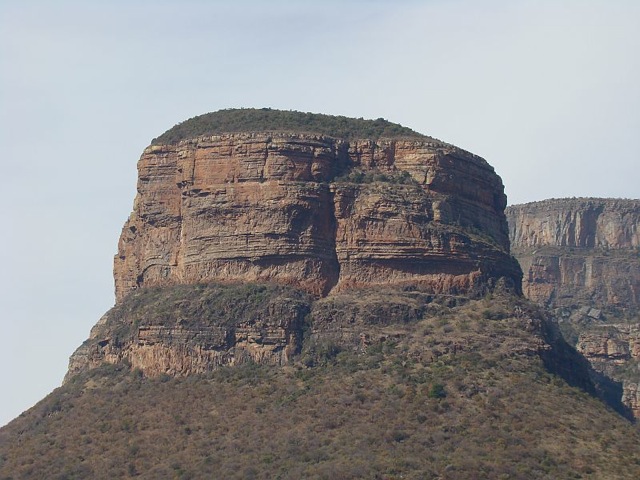
The next stop is world famous and one has to stop and see why. The Three Rondavels View Site offers amazing views of the famous peaks called the Three Rondavels. The Blydepoort Dam lies far below. The Rondavels are not only named for their appearance, but also have a story attached to them.

Also look out for the mountain that points more or less north-easterly, almost completely surrounded by the waters of the dam. This mountain is named Thabaneng by the indigenous people – which means 'mountain with the shadow that moves' or as named by the white people, The Sundail.

The journey then continues on the R532 road in a northerly direction, with winding roads and the canyon starting to fade into the background. The road descends and goes through the Rietvlei Valley, ending at a T-junction with the R36 road. Here you can choose either to start making your way to Hoedspruit or to detour to a few more sights.

Detour:

The detour takes you to the Echo Caves, The Bible Sculpture Garden, Museum of Man and the Old Shoe.

If you choose to continue, turn right at the T-junction and travel along the Abel Erasmus Pass. This pass was built after gold was discovered in the northern Lowveld, under the supervision of Abel Erasmus. Note the splotches of yellow and orange lichen on the sandstone cliffs, adding to the beautiful scenery. A very rare falcon, the Taita falcon, also makes its appearance in this area.

The pass takes you to the JG Strijdom Tunnel. This famous tunnel is named after a former Prime Minister and was opened on May 8 1959. There are plenty of sights to be seen from the parking areas on both sides of the tunnel, as well as arts and crafts on display. The waterfall is most impressive during the rainy season and is a tufa Waterfall.

The Olifants River is on the other side of the tunnel, winding along the valley to a small dam, where the next unofficial canyon lies. To the north lie the Bushveld and the mountains of Limpopo and the Lowveld. The road leads directly to Hoedspruit. There are a few stops on the way that might be of interest. To find out more, look at the Interest Points under Hoedspruit – the heart of the K2C.

The History of Louis Trichardt and Andries Hendrik Potgieter and The Voortrekker Monument:

Louis Trichardt’s trek ended in tragedy. After crossing the Lowveld the company’s oxen started dying from Nagana disease caused by the Tsetse fly, while fever caused by the malaria mosquito also plagued the Voortrekkers themselves. They were determined to reach Delgoa Bay before losing all to the wilderness and so pushed on and finally reached Delagoa Bay on April 13 1838, but their suffering continued and 27 died, including Louis Trichardt.

Years later the Voortrekkers made another attempt under the leadership of Andries Potgieter to open this route. Blocked by the Drakensberg mountain range, one of the party members, Kasper Kruger (father of Paul Kruger), found an alternative route that is still known as Kasper’s Nek (Neck). Subsequently they reached the escarpment and outspanned near the present day Graskop. Since the road ahead was a challenging descent to the Lowveld, Potgieter decided to leave their wagons and families behind, with the agreement that those left behind would return home without them should they not return after a predetermined period. When this date came and the explorers had not yet returned, those left behind assumed the worst and named the river where they camped Treur (meaning sorrow).

A few days later, having successfully made the journey to Delagoa Bay and signed a trade agreement with the Portuguese. Potgieter caught up with the group; they were so full of joy were that they named the river Blyde (meaning joy)

The Three Rondavels and Their Story:

What’s in Swadini’s Name?

The local tribes of the Swadini area had a history entrenched in war, fighting for supremacy.  Bapedi and Swazi clans challenged each other. The Bapedi were living at the bottom of the escarpment, where the Blyde River emerges from the mountain. But during warmer summer months they would move to the top of the escarpment, where it was cooler. On every return, they found that their settlement and crops had been plundered by the Swazis. This continued for many years and many clashes took place. The war cry of the Swazis was Swatini, translated as 'the place of the Swazi'. Their cry must have been heard by all in the area, giving the place its name, which is to this day known as Swadini.

In 1864 one of the local chiefs of the Mapulana clan (from the Lowveld), Maripi Mashile, chose to help the Bapedi. So he gathered his army and also persuaded other leaders and their tribes to join him with their impis. He then led them to the top of the mountain opposite Swadini and bombarded the Swazis with large boulders. This battle became known as Moholoholo, the great, great battle.

During the battle, mist started to settle on the mountain. To the Bapedi this was an important sign, especially since they could still see their enemy below, and they contrived to defeat the Swazis. Subsequently the peak from where they overwhelmed the Swazis was named Maripi, in honour of the chief who assisted the Bapedi. Today it is known as Mariepskop (for more information, see interest points under Hoedspruit).

In further tribute to Maripi the Three Rondavels were named after Maripi’s three principal wives, Magabolle, Mogalidikwe and Maseroto.

Detour:

From Graskop – where the R532 road makes a T-junction with the R36 road, take a left towards Ohrigstad. Not far from there, about 1km, signboards will direct you to the following interest points:

Echo Caves, The Bible Sculpture Garden, Museum of Man and Old Lady Hubbard’s Shoe.

Echo Caves (at the end of the gravel road):

According to research these caves were probably formed in the early Quaternary period, about a million years ago. The dolomite is estimated to be 100m thick, decreasing towards the sides of the spur. The caves are not only famous for their archaeological value, but also for their magnificent dripstone formations. When these formations are tapped, they produce ringing echo sounds – after which the caves are named.

There are two entrances and two main systems. One stretches for about 350m and follows the main tourist route from the shop. Madonna Cave is the other option; it has a vertical shaft entrance 13m higher than the first. There is a link between the two sections, via an artificially enlarged passage. Overall the caves consist mostly of long passages, averaging on 2-10m high, but several chambers have developed. The main chamber in the Madonna Cave section is the largest of these. The Echo Caves have been declared a National Monument and can be visited daily between 08h30 and 17h00.

The Bible Sculpture Garden (on the way back to the R36 on the Gravel road):

This garden was sculptured by Ron van Zyl after he had a vision from God about heaven and hell. A well trained guide takes you through the garden on a spiritual journey, interpreting and explaining the meaning of each sculpture. Whether spiritual or not, the intricateness of these sculptures makes them worth visiting.

After the Sculpture Garden, you will pass The Museum of Man, where archaeological finds in a cave reveal more about the history of man. The cave was a Bushman rock shelter and is said to have been inhabited during the Iron Age.

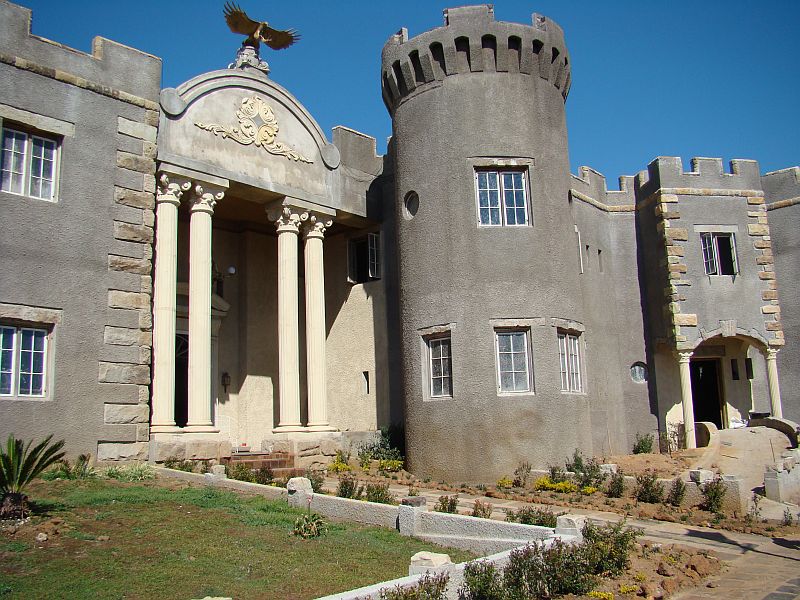
When reaching the T-junction with the R60 road, turn right towards the Giant Shoe. The building of the shoe was constructed by Ron van Zyl and his family. Inside are exhibitions of spiritually inspired sculptures made of lead-wood, together with a charming visual representation of what Old Lady Hubbard’s shoe may have looked like inside. There is also a restaurant on the property with curious and souvenirs on sale.

This property also has a cave, where Mr van Zyl brought another vision he had from God to life, about a cave and the spirit world. The cave leads to an underground chapel, where people visit for different reasons, whether to view, pray or even get married. There are also chalets on the property.

After some refreshments and a visit to the shoe, turn left onto the R60 again, towards Phalaborwa and Hoedspruit, and continue to the Strijdom Tunnel.

Africa’s Rarest Falcon Finds a Devoted Custodian:

The Abel Erasmus pass is home to one of the rarest birds in the world, and until now only a selected few birdwatchers have been aware of this natural treasure on Hoedspruit’s doorstep. The Taita falcon is undoubtedly one of the rarest birds in the world. Its presence in South Africa was only discovered in the 1990s.

Michael Kumako has made it his mission to protect the nest of this exceptional bird. A few years ago Mr Kumako was simply a curio seller at the Strydom tunnel. Now he is the custodian of the Taita Falcon nest in the cliffs opposite the curio sellers.

Mr Kumako knew little about birds until Dave Rushworth, a local resident and renowned environmentalist, came to the curio sellers looking for a suitable person to guard the nest.  Mr Kumako, who was born in Tswenyane at the top of the mountain and educated at Chabelang High School, volunteered for the job. He went to a BirdLife Africa training centre in Wakkerstroom for a course in bird identification, and to gain an understanding of bird ecology. He was taught by some of South Africa’s most knowledgeable ornithologists .

Now, armed with a battered bird book and an old pair of binoculars, Mr Kumako stands guard over the nest. His presence is necessary to stop unscrupulous falconers and irresponsible nest raiders from disturbing the nest for eggs and chicks. The chicks are wanted for use as trained hunting birds and the rarity of the falcon makes them valuable to a small group of unscrupulous people.

Mr Kumako lives solely on tips received from passing birders, who have become aware of the nest through the Internet and birding publications. His devotion is remarkable, as he is there day in and day out, from sunrise to sunset, sometimes working through the night when the chicks fledge.

His constant vigilance has provided him with knowledge about the bird’s behaviour, hunting tactics and habitat that very few people share. In fact, he may be considered an authority, for the bird’s retiring nature and choice of inaccessible nest sites has hindered previous studies.  His knowledge is also not limited to the Taita falcon, as he is now a keen birdwatcher who identifies all the local birds by their calls, actions and feathers.

Those wishing to join an elite group and catch a glimpse of this rare bird can go to the Strijdom tunnel. There is a rock painted with the words 'Place of Bird', and, if you ask among the curio sellers for Michael, he will assist you in visually locating the nest.

(Kruger2Canyon, Vol 1 Issue 9, 25 April, 2003, P1&3).

Return Route/Hoedspruit to Graskop:

After exploring Hoedspruit, one can either go to Phalaborwa and continue from there, or take a return route to Graskop through the Vuyani Kaya Route area, exploring interesting stops along the way.

From Hoedspruit, take the R40 road, either directly out of Hoedspruit, or by joining the R531 road before Hoedspruit (see map), where there are also a few interest points on your way to Klaserie and the R40 road (see interest points under Hoedspruit).

Follow the R40 in the direction of Bushbuckridge. This is the region of the Vuyani Kaya Route. Many projects can be visited in this area, to learn about the culture of the people of the north (see Vuyani Kaya to find out more).

Follow the R40 road until it connects with the R533 road towards Graskop. This leads to Kowyn’s Pass, with a few more interesting places to visit along the way (Verster Coffee Estate and Africa Silk Farm). The lower sections of the pass bend through Eucalyptus and pine plantations, steadily climbing the escarpment.

Before Kowyn’s Pass, the Lowveld was only accessible by an animal track on land under the control of chief Koveni (translated to Kowyn in Afrikaans). In 1902 a man called Max Carl Gustav Liebnitz arrived at the farm Graskop. He erected a trading store, hotel and a house at the top of Kowyn’s pass, but found that it was necessary to build a road for wagons to reach his business.

He transformed the then existing animal track, almost completely by himself, into the first Kowyn’s Pass. The pass had very steep gradients, which made it difficult to traverse. In 1980 the road was finally upgraded to what it is today.

There are many other routes to explore on the Mpumalanga’s Panorama Route. To find out more, visit their website.

The main clans of the Bantu tribal groupings known today as Tsonga, Sotho and Venda lived in the Central Lowveld region since the first millennium. The lingua franca of the present day in this region is generally Sotho, to a lesser extent in the easterly and southerly regions. European influence in the area came about due to the search for a trade route to Delegoa Bay (Maputo) and the gold rush.

The History of The Blyde River Canyon:

The history of man in the Blyde River Canyon can be traced back to from 150 000 to 30 000 years ago. During the Stone Age era, man lived entirely off the land and nomadically followed the movement of game over a large area. Rock art paintings containing only one colour tell us that the earliest Bushmen lived in the Canyons.

The Bushmen were gradually forced out by the early Black immigrants. These immigrants were escaping the slave traffic and were also attracted by the almost uninhabited land to the south. These virtually inaccessible valleys and gorges of the Drakensberg Escarpment provided good security for the Stone and Iron Age peoples during periods of unrest. The Tsetse fly, which causes sleeping sickness in man and animals, and other ecological factors, like malaria and the harshness of the Lowveld area, could also have contributed to short-term migrations into the mountains.

During the Iron Age occupations in the Blyde River Canyon area were relatively brief, since groups would migrate back to the Lowveld as soon as conditions were favourable again for their domesticated animals. Many pottery articles found tell stories about the Iron Age groups, also identifying different groups. European occupation took place almost immediately after the Late Iron Age, estimated to have lasted until the mid-19th century.

The Voortrekkers, under the leadership of Andries Potgieter, moved through the area with the ideal of establishing trade contact with the Portuguese at Delagoa Bay (known as Maputo today). They settled in Ohrigstad in 1845.

In 1873 gold was discovered to the east of Geelhoutboom and soon hundreds of prospectors rushed into this area, resulting in the establishment of Pilgrim’s Rest and indirectly Graskop.

Arrival of the settlers and opening of the mines increased demand for wood, giving rise to what became and still is a flourishing forestry industry. In time what had been a wilderness region experienced serious environmental challenges, resulting in the establishment of the Blyde River Canyon Nature Reserve, which today covers more than30 000ha and it is visited by thousands of tourists each year.

Information from L Changuion, extracted from the Blyde River Canyon Nature Reserve Pamphlet, 'The History of the Blyde River Canyon and Escarpment', Mpumlanga Tourism and Parks Agency.

To explore this route, click on the individual sub-themes and plan according to individual interests. Each area is worth a visit, so allow enough time. Also note that this route also falls within the Kruger to Canyons Birding Route region and therefore birding is also big in this region. Visit their website for more information.

Arts and Crafts are sold at each viewpoint on the Blyde River Canyon Scenic Route, and supporting them also supports the crafters’ families.

Interest Points:

Pinnacle Rock – a tower-like quartzite rock that stretches about 30m above indigenous forest.God’s Window – a magnificent panoramic view of the Lowveld, with the Kruger National Park and Mozambique in the distance; and sheer cliffs of up to 900m below.

Wonder View – the highest viewpoint (1 730m) accessible by car, with views of the Lowveld, the Lebombo Mountains, and even Graskop to the south-east.

Lisbon Falls – the highest waterfall in the area (92m), with water from the Lisbon River plunging over a semi-circular rock-face in two streams. One of the most beautiful falls in the region.

Berlin Falls – a 45m high waterfall, developed as a result of softer rock that gradually wore away by the flow of water.

Voortrekker Monument – commemorates the journeys of the Voortrekkers in an attempt to find a route to the trading centre of Delagoa Bay (Maputo).

Bourke’s Luck Potholes – this point marks the beginning of the Blyde River Canyon from Graskop’s side. They are cylindrical holes that developed over thousands of years as a result of the Treur (Sorrow) River plunging into the Blyde (Joy) River.

Blyde River Canyon Nature Reserve – proclaimed on November 24 1965 and covers an area of about 30 000ha.

Lowveld View Site – a viewpoint on a flat rocky mountain top, at an altitude of 1 219m. Views of the canyon and walking paths to the edge of the canyon.

Three Rondavels View Site – a view of three ,round, hut-like koppies (peaks) named after the three wives of Chief Maripi.

Echo Caves – a system of two caves formed over many years and declared a National Monument.

The Bible Sculpture Garden – a spiritually inspired garden full of sculptures on the face of the rock. Beautiful to the eye, but can also be a spiritual journey.

Museum of Man – an old Bushman shelter with archaeological finds, telling stories about the history of man.

Old Shoe – a building that looks like Old Lady Hubbard’s Shoe, filled with sculptures, curious and interesting souvenirs. Refreshments are also on sale here.

JG Strijdom Tunnel – a 132.3m tunnel named after a former president, opened on May 8 1959. Crafters sell their wares here.

Khamai Reptile Park – Herpetology centre on the R527 between Hoedspruit and the Strijdom Tunnel, where visitors can learn about snakes and reptiles. The park has been in the area since 1984, and was formerly known as the Swadini Reptile Park. Visit www.kruger2canyons.com for more information.

Bombyx Mori Silk Farm – one of only two commercial silkworm farms in South Africa. The name refers to the Latin scientific name for the mulberry silk moth, which produces a very high quality silk. The silk is made into duvets and refined into hypoallergenic cosmetic products.

Kowyn’s Pass – a scenic pass through what used to be an animal track on Chief Koveni’s land, linking Graskop to Hoedspruit.

Useful Information:

  • Travellers are exposed to malaria, so please consult your doctor about medication you will need to take before and after leaving the Limpopo Province. The best prevention against malaria is not to get bitten by mosquitoes – applying repellents regularly. This is a lower risk area, but nevertheless better to be safe than sorry;
  • Two airports serve the area. Eastgate Airport is located within the route and the other is Phalaborwa Airport, which is about three-quarters of an hour’s drive from the general route area. Both airports are served by daily flights from Gauteng and Cape Town.

Information sources:

Personal observation and with acknowledgement to:

F. Southey, Panorama Handbook.
The Kruger to Canyons Website: www.kruger2canyons.co.za
Places to Visit in Southern Africa, published by AA the Motorist Publications, Cape Town.
T.V. Bulpin, Discovering Southern Africa.
D. Thomson, Living in the Kruger to Canyons Biosphere Reserve and What it Means for You.

Suggested Reading List

A.P. Cartwright, The Valley of Gold. A book about the gold rush to the Highveld and the history of the region.

TV Bulpin, Discovering Southern Africa. “Discovering Southern Africa is regarded as the standard travel guide to Africa south of the Zambezi river, one of the greatest guide books published anywhere in the world, readable, informative, diverting and crammed with interesting comments and the unique knowledge which can only come from personal experience and meticulous research.” Sunbird Publishers

TV Bulpin, Lost Trails of the Low Veld, The Golden Republic.

P. Fitzpatrick, Jock of the Bushveld.

F. Southey, Panorama Handbook. An unofficially published information booklet, available at Graskop Information. This booklet contains information on Mpumalanga’s greater  Panorama Route and is extremely informative.

Nearby routes

Hlanganani Route

The Hlanganani route is situated in the northernmost part of South Africa, in Limpopo (previously known as Northern Province), on the north-west border of one of Africa’s finest parks, the Kruger National Park.

Kamoka Route

The region in which this route is located is known as the Cultural Heartland, which is one of the seven registered tourism regions of Mpumalanga province. The general route area is located about 100km north-east of Pretoria, South Africa’s capital city situated in Gauteng, which is the smallest but richest province in the country.

Land of Legend Route

The Land of Legend Route, true to its name, offers a platform to explore sacred lands, rippling rivers and awe-inspiring nature sites. Based in Thohoyandou, it is within close range of the Kruger National Park, but deserves more than a stop-over.

Ribolla Open Africa Route

The route, named after the uniquely shaped mountain in the Makhado District, showcases the artistic talents of many of its inhabitants, as well as dancers, storytellers, gardeners and singers.

Rixile Culture to Kruger Route

The route, situated in the Limpopo province of South Africa, meanders between the small town of Giyani and Phalaborwa, the only town with a gate into the Kruger National Park.

Route of Lost Kingdoms

Follow a trail of myths and legends from the ancient stone wall site of Thulamela to the Mapungubwe World Heritage site in Limpopo Province.

Seraki Blouberg Route

This route lies at the foothills of the Blouberg Mountain in Limpopo and offers an experience that can only be found in Africa. A range of projects with authentic arts and crafts, as well as accommodation in a pristine setting can be found. Vistors can go on adventurous hikes, see cultural and natural heritage and interact with 'real' people.

Comments and Reviews

Although the Kruger to Canyons area mainly caters for travelers who want to stay in lodges or guesthouses, there are definitely options for camping. All members on this website are listed because they applied. You can try places like Mariepskop View Chalets or alternatively contact the primary contact for the route in order to find out about other options. They will be more than happy to assist.

Admin on 17th o November, 2008 at 10:34.

Kruger to Canyon. We travel in our mororhome, and find no information on camping in the area. Mainly only lodge accommodation. Do you not cater for campers, caravaners or motorhomers?

Joe le Roux on 16th o November, 2008 at 13:20.

Add a comment