



Hlanganani Route
Route rationale:
For some time, the South African Department of Environmental Affairs and Tourism has expressed concern that communities living alongside South Africa’s national parks are bypassed by tourists and therefore do not benefit economically from the increased tourism activity in their areas. This is particularly disconcerting in the case of already impoverished communities that were forcibly removed from their traditional homes without compensation to make way for parks.
Thus the challenge in establishing the Hlanganani Route, which involves communities adjacent to the Kruger National Park, was to forge links between the established tourism trade and these communities. Once established, these links will allow the latter to tap into the mainstream tourism in the area and sell their products and services. The Hlanganani Route seeks to maximise the tourism potential of the region to the benefit of all its inhabitants, by providing a continuous network of attractions in the vicinity of the park.
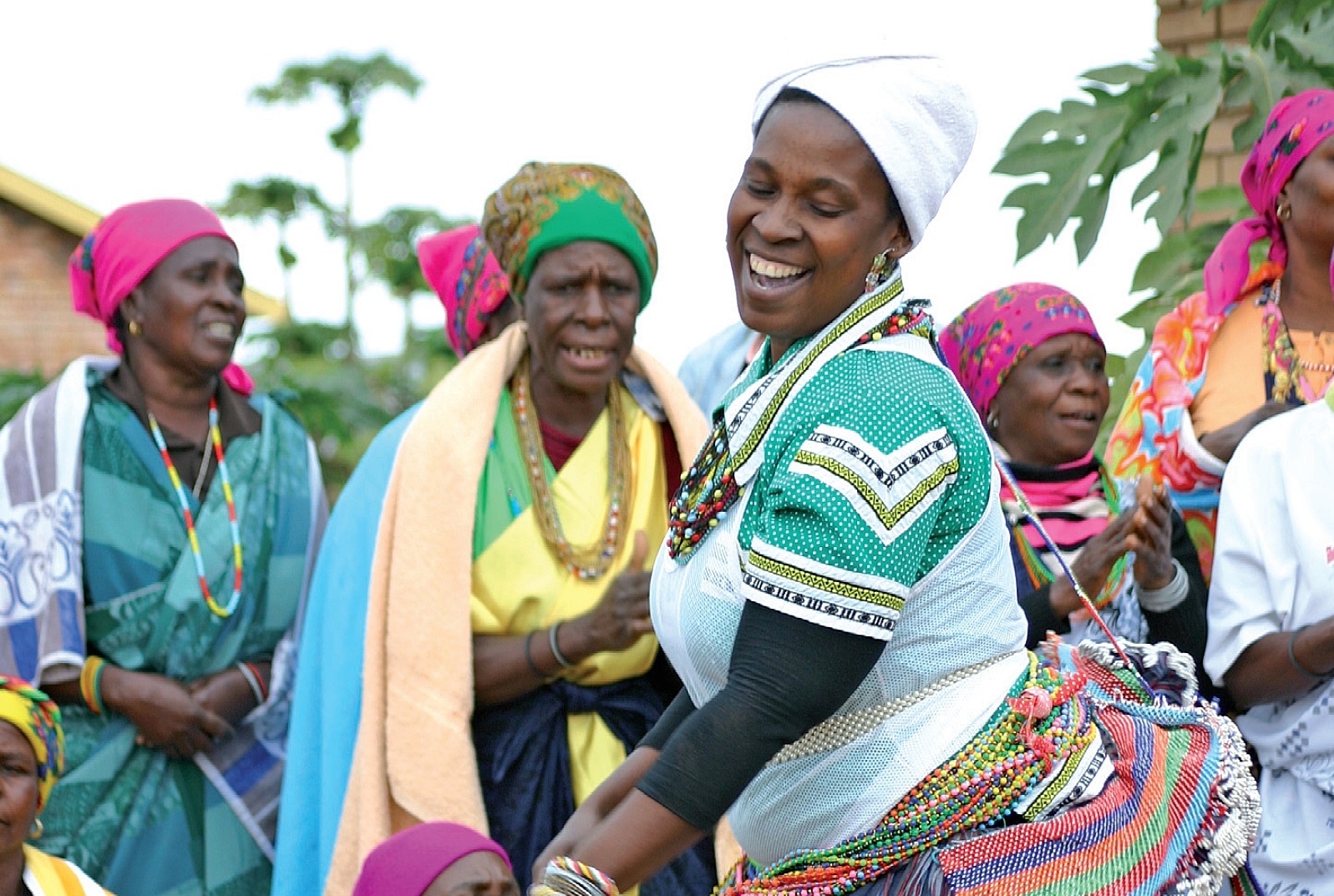
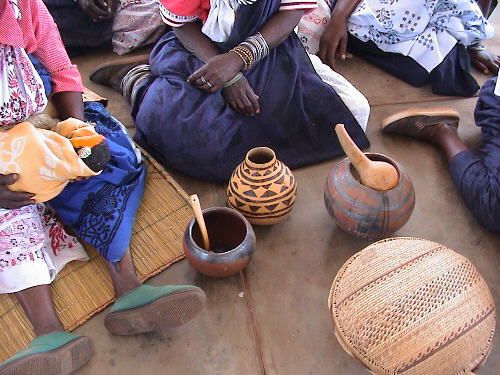
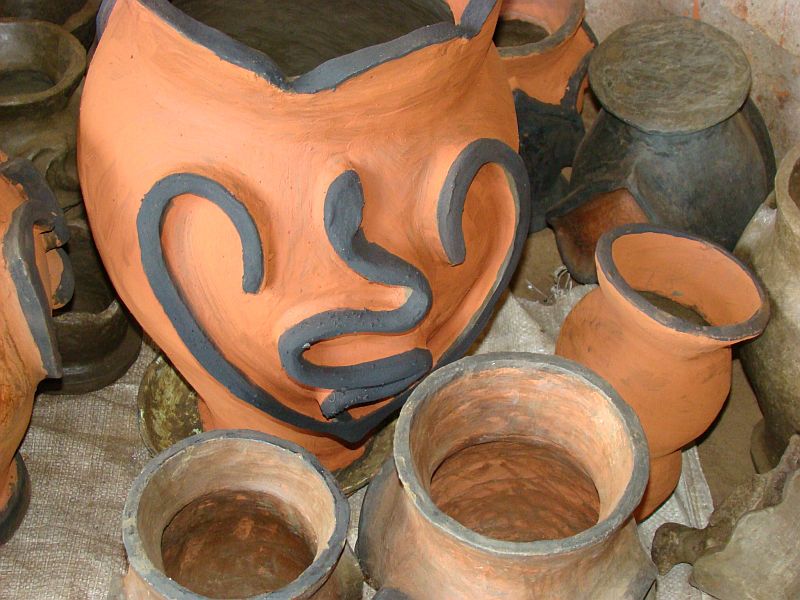
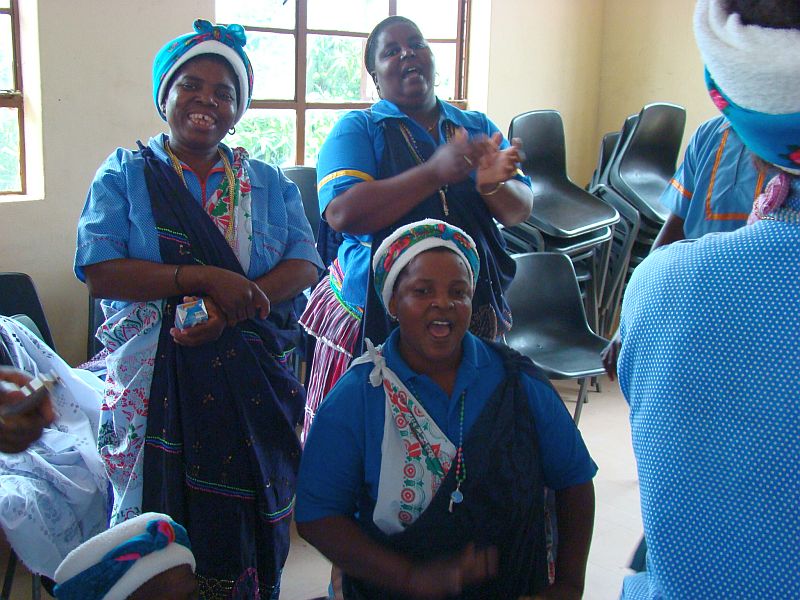
The Hlanganani Route combines already well-developed and sophisticated establishments with previously untapped attractions to provide tourists with the option of learning about the local people and their history, culture and customs.
Route location:
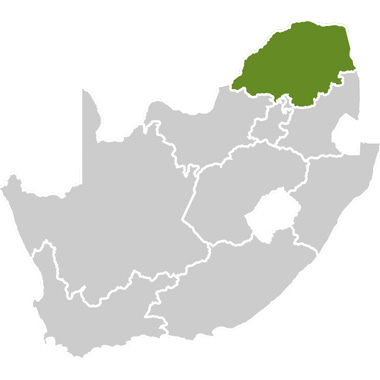
The Hlanganani Route is situated in the northernmost part of South Africa in Limpopo (previously known as Northern Province), on the north-west border of one of Africa’s finest parks, the Kruger National Park. The route stretches from the Punda Maria park gate along the R524 road towards Louis Trichardt and then joins the R81 road towards Giyani. Winding its way through the Malamulele district and the majority of the villages created when the Kruger National Park was established, the route is five hours’ drive from Gauteng and two hours’ drive from Polokwane (formerly Pietersburg).
Story behind the route name:
Hlanganani is a Shangaan/Tsonga word meaning “get together”. It was the name initially given to a committee formed with the help of the park’s Social Ecology Unit to address community safety from animals that breached the park’s fenced perimeter. Later, it was agreed Hlanganani was the obvious choice for the name of the route.
Historical settlements:
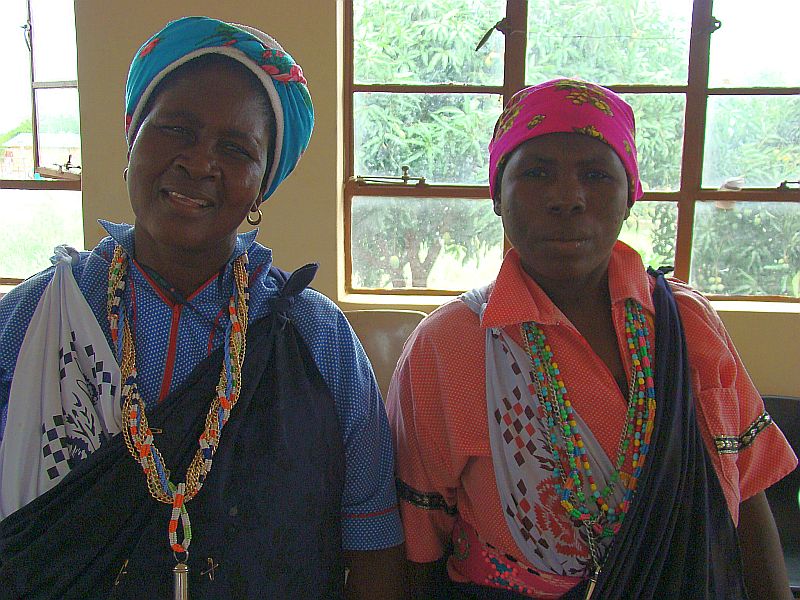
The villages adjacent to the Kruger National Park are predominantly inhabited by Tsonga-speaking people. Villages are often named after the tribe that resides there, for example Mtititi, Mahonisi, Dinga, Mhinga, Mphambo, Xigalo and many more. Many of the communities suffered great spiritual loss when they were forcibly removed from their ancestral burial and sacred sites when these were incorporated into the park in 1938. Others, like the Makuleke people, were evicted from the Pafuri Triangle as recently as 1968. Fortunately, the Kruger National Park’s Social Ecology Unit has, in some instances, succeeded in securing access for these people to visit these sites.
Useful information:
Travellers will be exposed to malaria; please consult your doctor about the medication you will need to take before and after leaving Limpopo as well as while holidaying in the area. There are two airports within an hour and a half’s drive from the route, one at Polokwane and the other at Phalaborwa. Both are served by daily flights from Gauteng.
Nearby routes
Kamoka Route
The region in which this route is located is known as the Cultural Heartland, which is one of the seven registered tourism regions of Mpumalanga province. The general route area is located about 100km north-east of Pretoria, South Africa’s capital city situated in Gauteng, which is the smallest but richest province in the country.
Kruger to Canyons Route
Located in the Kruger to Canyon Biosphere, this route includes the towns of Graskop, Hoedspruit and Phalaborwa. It aims to contribute to the conservation of the biosphere.
Land of Legend Route
The Land of Legend Route, true to its name, offers a platform to explore sacred lands, rippling rivers and awe-inspiring nature sites. Based in Thohoyandou, it is within close range of the Kruger National Park, but deserves more than a stop-over.
Ribolla Open Africa Route
The route, named after the uniquely shaped mountain in the Makhado District, showcases the artistic talents of many of its inhabitants, as well as dancers, storytellers, gardeners and singers.
Rixile Bush to Beach Route
A new concept in tourism, the bush to beach experience provides travellers with the opportunity to have the best of both worlds. Spend a few days in one of Southern Africa’s most renowned game parks before reaching the pristine beaches of Mozambique where you can enjoy scuba diving, snorkelling, angling and whale-watching.
Rixile Culture to Kruger Route
The route, situated in the Limpopo province of South Africa, meanders between the small town of Giyani and Phalaborwa, the only town with a gate into the Kruger National Park.
Route of Lost Kingdoms
Follow a trail of myths and legends from the ancient stone wall site of Thulamela to the Mapungubwe World Heritage site in Limpopo Province.
Seraki Blouberg Route
This route lies at the foothills of the Blouberg Mountain in Limpopo and offers an experience that can only be found in Africa. A range of projects with authentic arts and crafts, as well as accommodation in a pristine setting can be found. Vistors can go on adventurous hikes, see cultural and natural heritage and interact with 'real' people.


Comments and Reviews
Add a comment
See all comments from this route