Login | Register

Open Africa
  • Home
  • About
  • Sponsors
  • Contact
  • FAQ
  • Link to Us
line
Swaziland

Swaziland

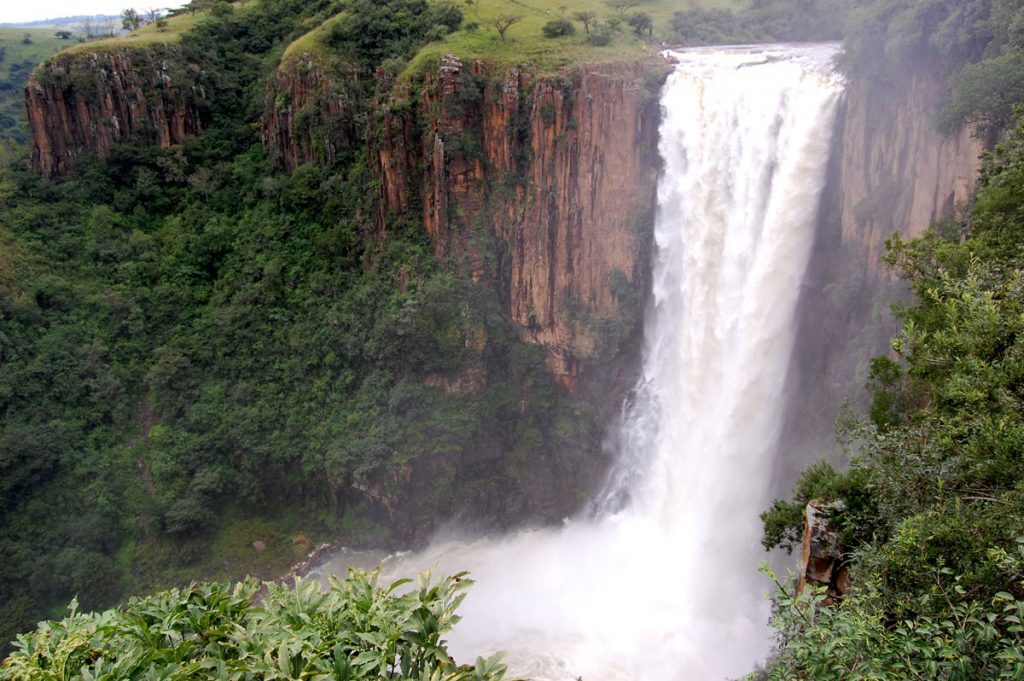
The Kingdom of Swaziland, tucked in between South Africa and Mozambique, is the smallest country in the Southern Hemisphere – only 17 364km² in extent – and its population is under a million people. But it is rich in natural beauty, geological interest and cultural heritage.

Not only does it contain the oldest iron mine in the world (at Ngwenya, near the Oshoek border post), at Malolotja Nature Reserve it also has some of the Earth’s oldest rocks, in which blue-green algae dating as far back as three or four billion years are present. These are the earliest signs of life on our planet.

Unusual rock paintings, in particular the images of winged creatures at  Ensangwini in the Komati Valley, also hark back to much earlier times.

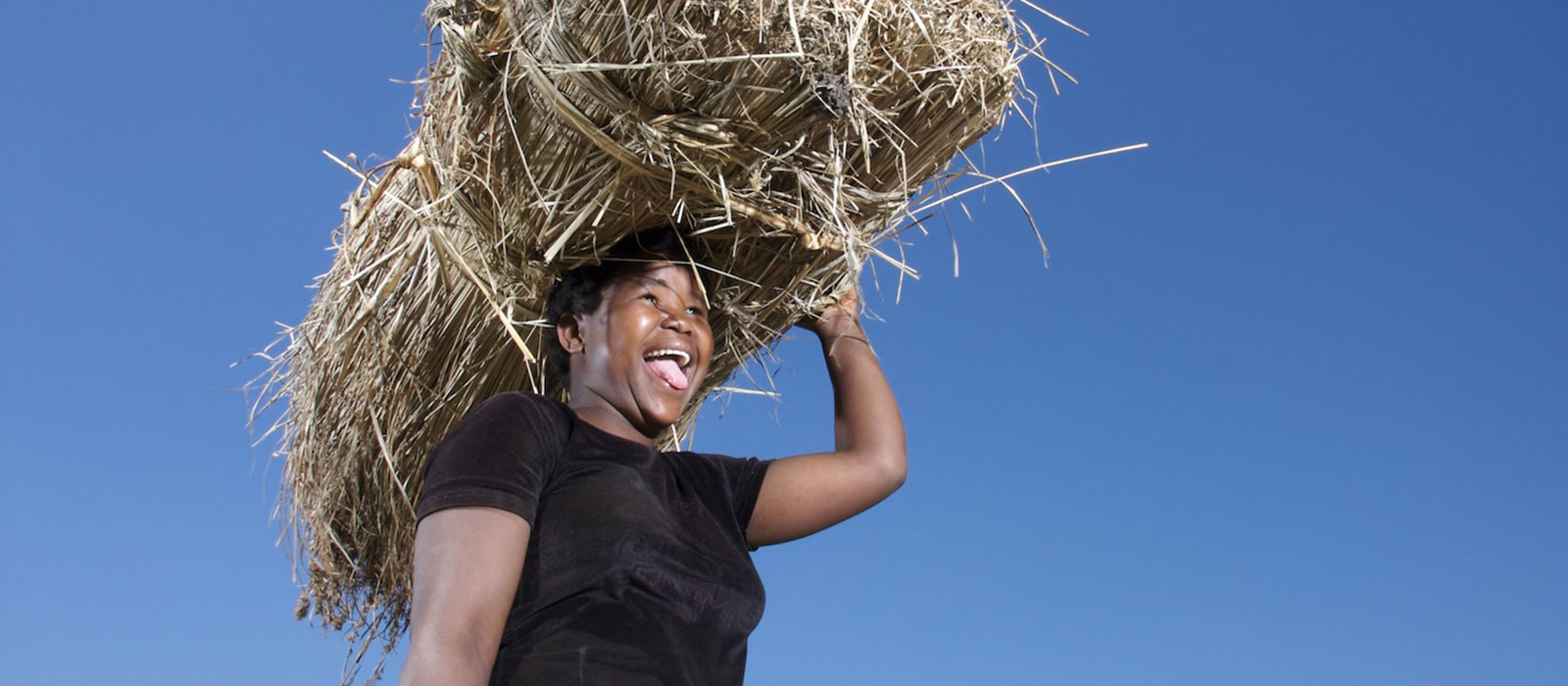
The Nkhosi Dlamini people, migrants from Central Africa, settled here in the mid-18th century. Dlamini is the surname of the royal family, and the country’s name comes from King Mswati I. The current ruler is Mswati III, and his people’s traditional culture is still a living one. Ceremonies like the annual incwala, or first fruits of the harvest, and umhlanga, or reed dance to pay homage to the queen mother, take place every year.

The kingdom is mountainous and forested in the west, lush and fertile in the middle region and drier in the subtropical eastern Lowveld. The Lubombo mountains separate the country from Mozambique.

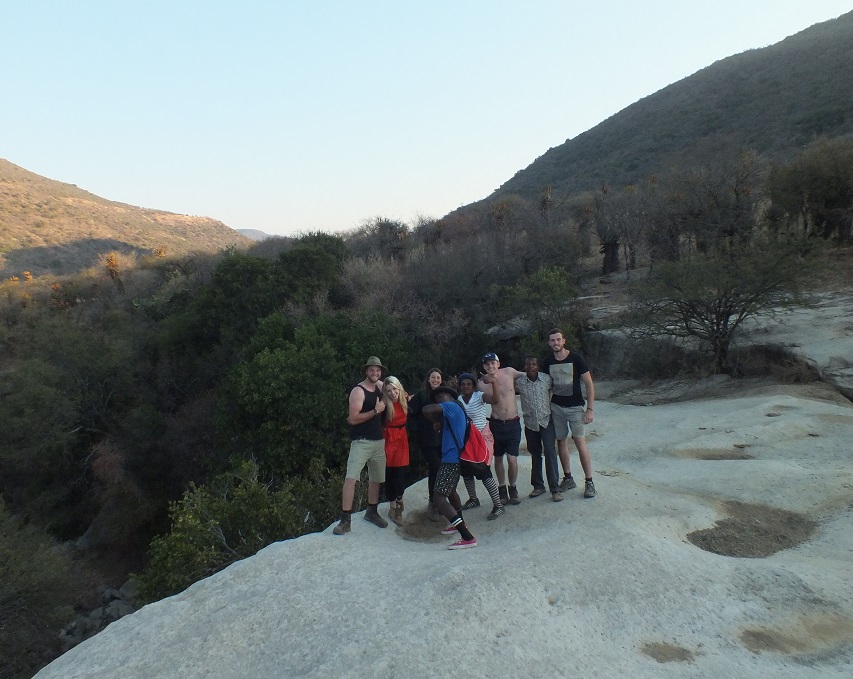
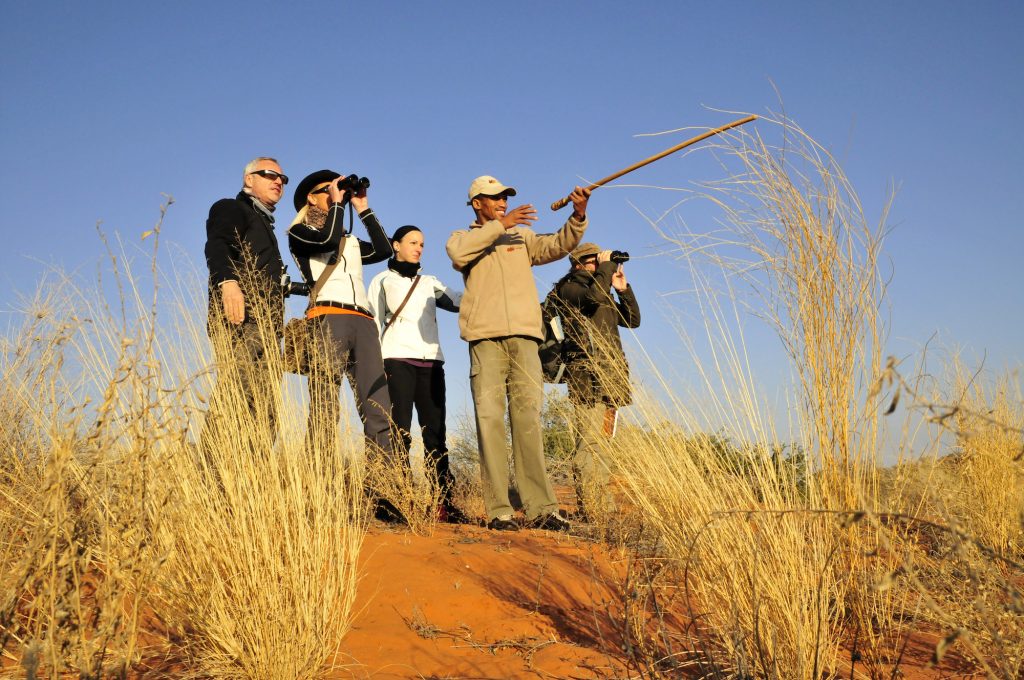
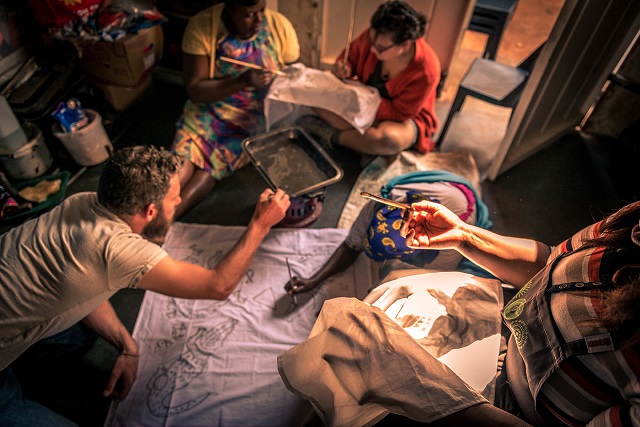
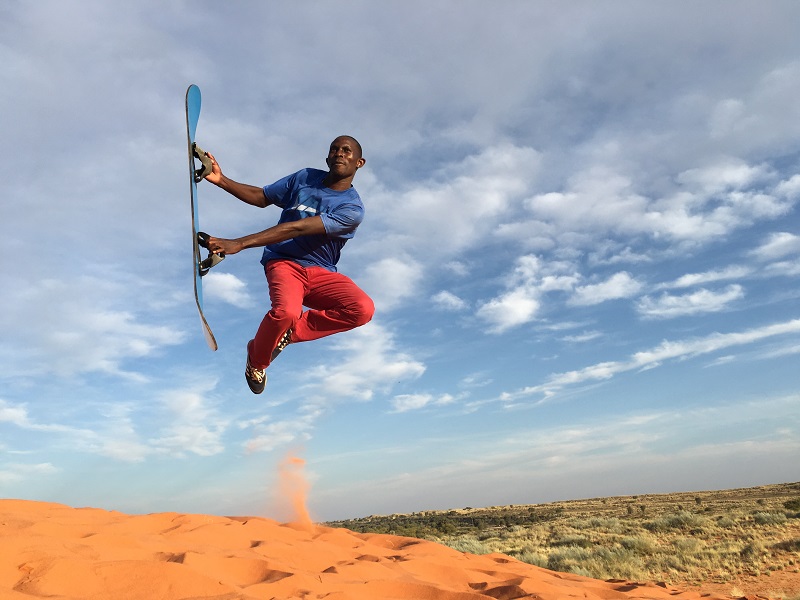
There is plenty for visitors to do and see in Swaziland: outdoor activities like golf, hiking, horse riding, bird watching and game viewing, white-water rafting, caving and abseiling, or enjoying the indoor luxuries of health spas and casinos. For those interested in traditional and modern handcrafts, there is weaving, pottery, wood carving, candle making and painting to see and buy, especially at the Mantenga Craft Centre in the Ezulwini Valley.

Don’t miss ...

A visit to Swaziland is a chance to see some special geological features such as Sibebe Rock, in Pine Valley just north of Mbabane: the largest single granite mass or pluton in the world. 

For botanists, the Mbuluzi cycad (Encephalartos umbeluziensis) and ironwood forests  in the Lubombo Conservancy in the north-east may be of particular interest.

Swaziland is part of the Biodiversity Corridor that stretches from the mountainous Barberton region in South Africa to the Maputaland coast in Mozambique. It contains many types of habitat and wildlife and there are all sorts of activities and types of accommodation for visitors.

The Lubombo Conservancy, in the north-east, is a formal collaboration between separately managed conservation areas. It involves a local community, a private reserve, a public nature reserve and a protected area managed by government, a national park managed by a private concern on behalf of the King and the state department concerned with agriculture and disease control. Their shared vision is to extend into trans-frontier co-operation with communities in Mozambique.

Travel tips:

English is widely spoken in Swaziland, being an official language in addition to SiSwati. The currency is the lilangeni (plural emalangeni) and is equivalent to the South African rand.

Most of the popular tourist destinations are easily accessible on tarred roads, but some more remote areas require 4x4 vehicles, especially after heavy rain. Drivers should be alert to the presence of livestock on and beside the roads.

There is a government tourist office in Mbabane, at the Swazi Place, and a private tourist office at Mantenga craft centre in the Ezulwini Valley.

It’s worth bearing in mind that some water in the reserves may contain bilharzia – or even crocodiles. 


Comments and Reviews

Add a comment

See all comments from this country

Swaziland Routes

  • Swaziland Route

Photos

Verbatim

When spider webs unite they can entangle a lion.

– Ethiopian Proverb

Did You Know?

Some of the shipwrecks off Robben Island, located off the coast of Cape Town, South Africa, include the Dageraad, which sank in 1694, loaded with 17 chests of silver pieces salvaged from the Gouden Buys, which had run ashore at St Helena. Other boats that also sank off the island include the Fun Chung (1977) and Daeyang Family (1986), an ore carrier.

© Open Africa 2009. Disclaimer. Privacy Policy.
Designed and maintained by Flow Communications. Report a site problem.