Login | Register

Open Africa
  • Home
  • About
  • Sponsors
  • Contact
  • FAQ
  • Link to Us
line
South Africa

South Africa

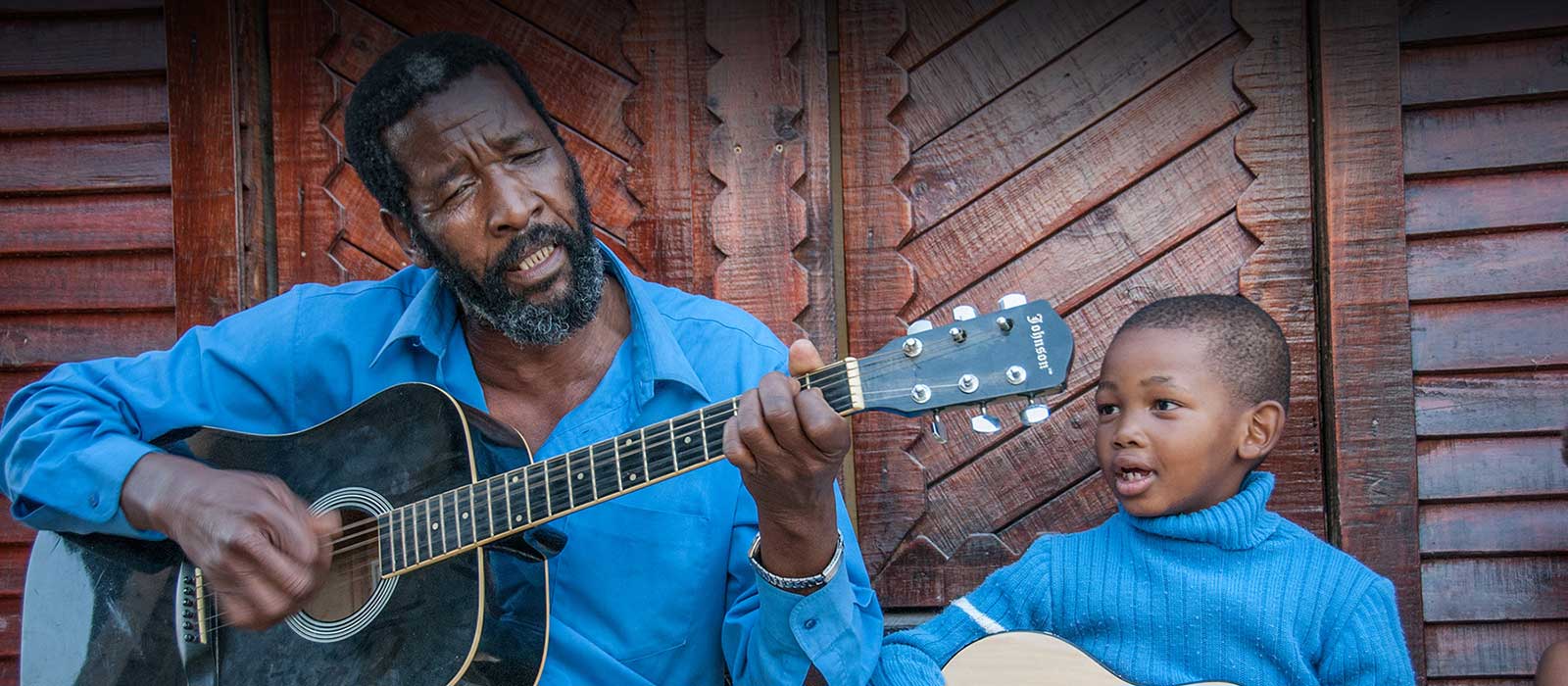
South Africa is everything you expect it to be and nothing like you imagine. You’ll certainly have heard about its magnificent scenery, superb beaches, great game parks, classic winelands and vibrant cities, but did you know about its majestic mountains, ancient historical sites, infamous and famous battlefields, whale routes, 'the biggest shoal on Earth' (the annual sardine migration), over 900 bird species, fragile and unique eco-systems and plant kingdoms, adventure activities to light up the eyes of the most jaded adrenaline junkie, and its people – some of the friendliest and most hospitable anywhere?

It’s a country of opposites and extremes.

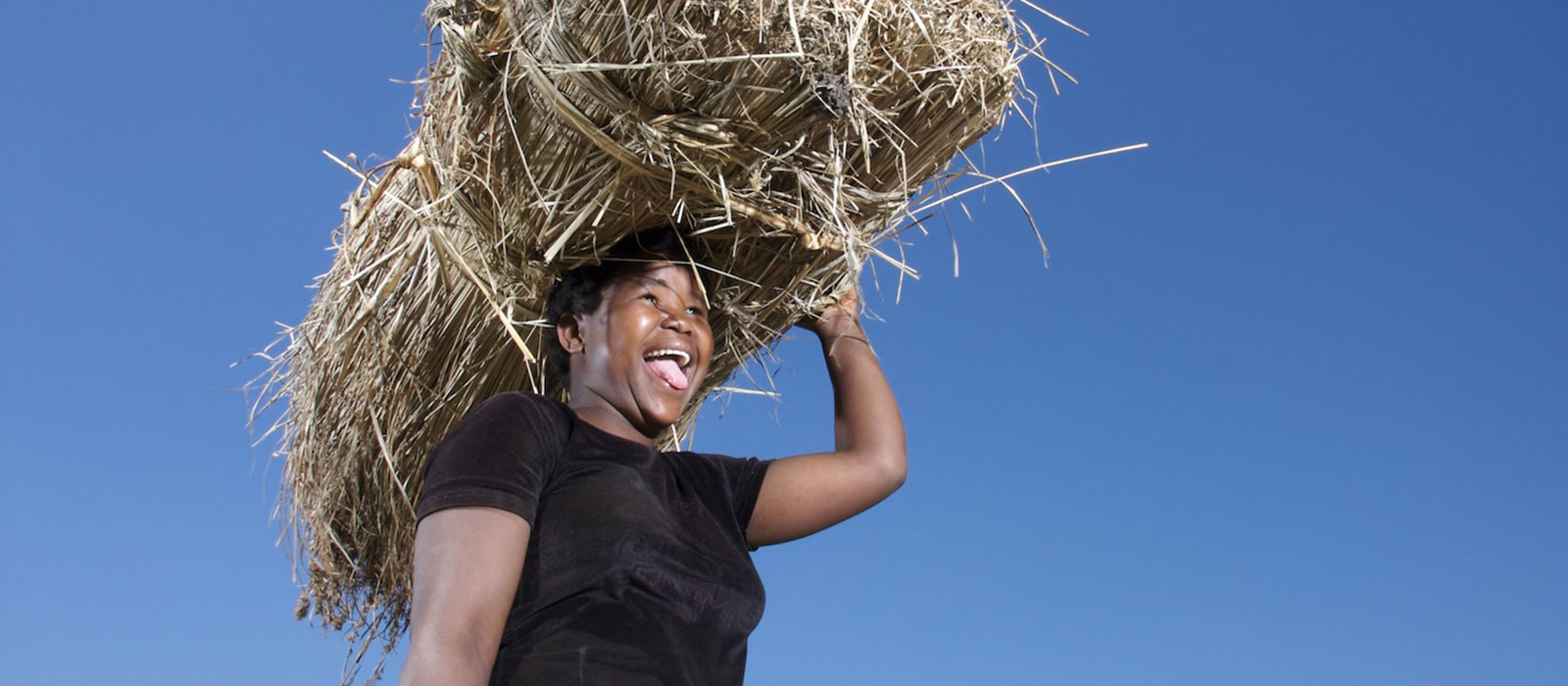
One moment you’re in a super-sophisticated shopping mall dripping with designer labels and beautiful people that rivals anything in Dallas or Dubai; the next you’re in a rural village buying handmade crafts from a woman who has to walk long distances to fetch water and firewood for her family.

You may choose to do the familiar tourist things – like spot the Big Five in Kruger National Park, one of the world’s greatest game parks. Or laze on sandy beaches that stretch for miles, with only seabirds and sunshine for company. You might tempt your tastebuds with fine wine and food on the Cape’s wine route. You can learn about South Africa’s painful past at Johannesburg’s Apartheid Museum, or eyeball your ancestors at Maropeng – the Cradle of Humankind – where humans first harnessed fire, and where they probably started their trek northwards up through Africa, to populate the continents beyond, and even to the moon.

But there’s lots more to see and do.

Don’t Miss …

Even if you’ve trekked in and marvelled at the Himalayas and the Andes, the mighty and majestic Drakensberg range will still make you draw your breath in wonder. Called the Dragon Mountains by the Afrikaners, and uKhahlamba – Barrier of Spears – by the Zulus, these mountains offer scenery which inspired the legendary Middle Earth of South African-born author JRR Tolkien’s Lord of the Rings.

If you love walking and hiking or just enjoy spectacular views, head off to the Royal Natal National Park, with its 5km (3m)-wide rock wall that rises 457m (1 500ft). Rare bearded vultures soar overhead, waterfalls cascade and plummet, the air is vintage champagne, and you can choose between affordable national park accommodation, friendly B&Bs, or upmarket lodges. Visitors from all over the world come to see some of the most important San (Bushman) rock paintings in existence, with their depictions of shamans, animals, dances, hunts and spiritual practices.  The website http://www.kznwildlife.com will give you the lowdown.

Elsewhere in KwaZulu-Natal you can scuba dive, watch the great leatherback turtles when they come ashore to lay their eggs, or visit the memorable Anglo-Zulu battlefields where the descendants of the great warrior, Shaka Zulu, inflicted on Queen Victoria’s British army one of the most humiliating military defeats in history. Here, too, are the Anglo-Boer battlefields where Boers fought Brits from 1899 to 1902, again inflicting numerous defeats against the invading British, and where hundreds of thousands of black South Africans took part as messengers, interpreters and labourers.

If you want to shop till you drop, then you can’t do better than the Midlands Meander, which stretches from Nottingham Road to Lion’s River in KwaZulu-Natal. It comprises over 100 charming craft, clothes and embroidery shops and weaving and pottery studios, where you can also buy handmade chimes, cheeses, woodcraft, footwear and children’s gear.

Hermanus in the Western Cape province is one of the best places to watch whales. Walk along the cliffs and spot the southern right whales breaching and blowing as they move along the coast between September and December.

If you fancy something more athletic and scary while you’re in that area, go diving in a cage among white sharks, or if you’re not so adventurous, stay on your small boat and watch the creatures from deck. There are also sea kayaking routes along the coast for keen paddlers.

Bird watchers are spoilt for choice, from the forests of Venda to the flamingo breeding grounds of the dry Northern Cape and the rare blue cranes in the colourful fields of Caledon.

If you go gamewatching in the bush, take a guided walk with an armed ranger. There’s nothing like eyeing a rhino on foot to keep your mind and your body extremely focused.

Take a boat ride to Robben Island, where prisoner 46664 (Nelson Mandela) served out his famous term, try a helicopter flip over the Blyde Canyon and the magnificent scenery of the Mpumalanga escarpment, or goggle at Kimberley’s Big Hole, where the majority of the world’s diamonds were first mined.

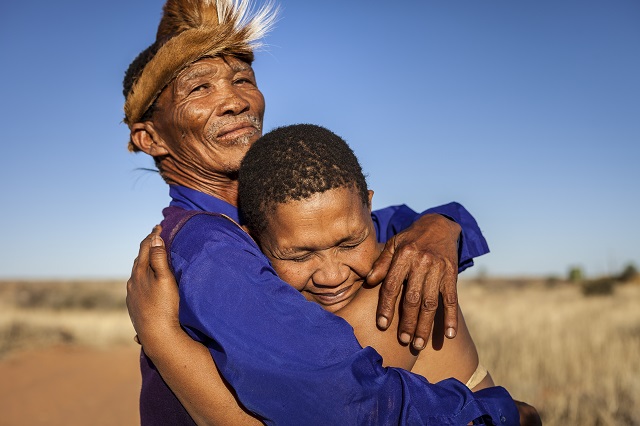
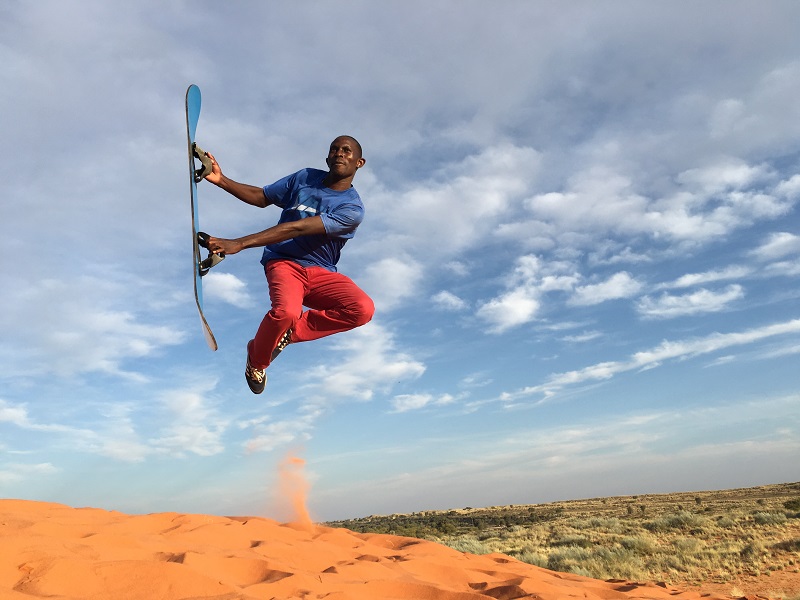
Go whitewater rafting on the Orange River, feel your heart stop as you take the world’s highest commercial bungee jump (213m or 700ft) from the Bloukrans River Bridge, retreat to the Kalahari and learn more about an ancient lifestyle in the desert, see richly diverse botanical hotspots or take on the house at any one of dozens of glitzy casinos.

Travel tips:

South African weather is among the best in the world. Peak tourist season is November to March, when Cape Town in particular is hot and crowded and hotel rates are high. You can get good deals in its 'green season' although you will also get wind and rain some of the time. Generally speaking weatherwise, any time of the year is a good time to visit.

Winter, May to October, is a good time to go to the bush because the vegetation is sparse and low and there’s no rain, so the game is forced to use water holes and other available water sources, which makes game-spotting much easier. Bring warm clothing as early mornings and evenings can be cold.

If you’re a birder, however, come in summer when the migrants return and there are over 900 species on offer.

South Africa has an excellent range of superb accommodation for all pockets and is easy to get around as the roads and infrastructure are good. Crime and safety issues are a concern, but tourist destinations are mostly secure and safe. Approach your personal safety in the same way as you would in any major city – lock your vehicle doors, lock passport and money in your accommodation, and leave the jewellery at home.

Useful websites:
http://www.getawaytoafrica.com
http://www.sanparks.org 
http://www.southafrica.info
http://www.tourismcapetown.co.za

http://www.southafrica.net

http://www.vhembe.gov.za/


Comments and Reviews

Job Seeker

Nwabisa on 17th of April, 2009 at 10:10.

Why are there no routes in Mpumalanga?

Jenny on 16th of October, 2008 at 08:47.

South Africa is such a beautiful country!

John on 9th of September, 2008 at 11:30.

Add a comment

See all comments from this country

South Africa Routes

Eastern Cape

  • Baviaanskloof Route
  • eScape Route
  • Garden Route Sea Kayaking Trails
  • Inyathi Buffalo Route
  • Maloti Route
  • Mbodla Eco-Heritage Route
  • Mid-Karoo Route
  • Port St Johns Open Africa Route

Free State

  • Horizon Route

Gauteng

  • Alexandra Township of Rhythm Route

KwaZulu-Natal

  • Amajuba Route
  • Drakensberg Experience Route
  • Elephant Coast Route
  • Nguni Route
  • uMngeni Footprint Route
  • Zululand Sea Kayaking Route

Limpopo

  • Hlanganani Route
  • Kamoka Route
  • Kruger to Canyons Route
  • Land of Legend Route
  • Ribolla Open Africa Route
  • Rixile Bush to Beach Route
  • Rixile Culture to Kruger Route
  • Route of Lost Kingdoms
  • Seraki Blouberg Route

Northern Cape

  • Augrabies Contrast Route
  • Footprints of the San
  • Kalahari Oasis Route
  • Kalahari Red Dune Route
  • Kamiesberg Route
  • Kimberley Diamond Route
  • Richtersveld Route

Western Cape

  • Caledon Blue Crane Route
  • Cape Care Route
  • Cape Nature Route
  • Dwars River Escape Route
  • Khanyisa Cape Route
  • KwaMandlenkosi Route
  • Mothers of Creation Route
  • Porterville Blue Crane Route
  • Sindwendwela Craft and Cultural Route
  • Southern Overberg Fynbos Route
  • Southernmost Route
  • West Coast Rock Art Route
  • West Coast Sea Kayaking Route
  • Xairu Blue Crane Route

Photos

Verbatim

Look how old Africa is, how strangely made, how unaltered. What is there in it that baffles us? Why can it not go forward in a straight line like other lands? Brilliant men come here to solve its problems and go away defeated. But that is why it holds us, it has this terrible mystery.

– Jan Smuts, South African politician

Did You Know?

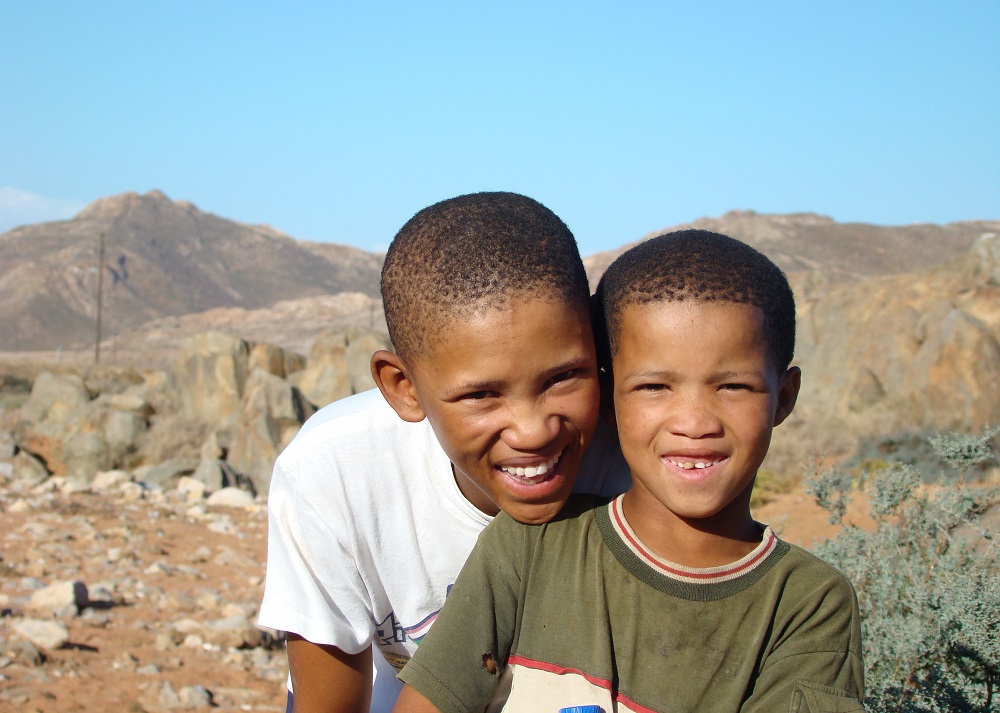
The Strandloper Restaurant in the small town of Langebaan in the Western Cape province of South Africa takes its name from the strandlopers (“beach walkers”), who were members of the Khoisan people, the first inhabitants of the Cape.

© Open Africa 2009. Disclaimer. Privacy Policy.
Designed and maintained by Flow Communications. Report a site problem.